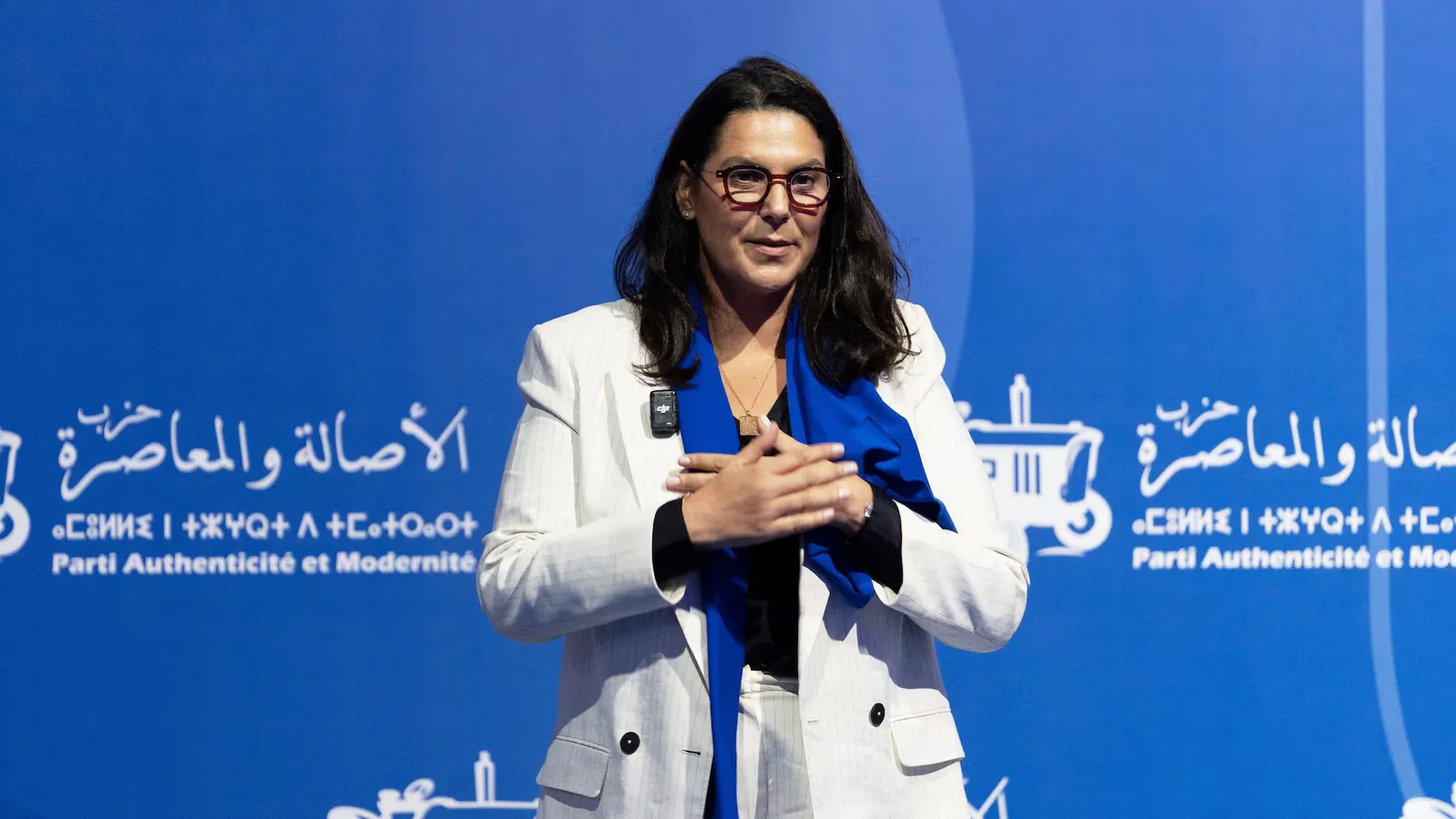

In a significant political development, Morocco's Authenticity and Modernity Party (PAM) has emerged as the frontrunner in the recent parliamentary elections, securing 97 out of the 395 available seats in the House of Representatives, as per the final results released by the Interior Ministry. This victory, though substantial, falls short of an absolute majority, compelling PAM to seek alliances with other political entities to form a governing coalition. Founded by a close royal adviser to King Mohammed VI, the party is known for its aspirations to blend traditional Moroccan values with contemporary governance.
The electoral landscape was heavily influenced by widespread discontent among the youth, characterized by soaring unemployment rates despite a burgeoning economy and urgent calls for enhancements in education, healthcare, and housing facilities. This election marked the first since the tragic mass migration attempts to Ceuta in July, as well as the Gen Z-led protests that shook the nation last year, underscoring the growing demands for political and social reform.
The incoming government will be responsible for overseeing significant investments, particularly as Morocco gears up to co-host the 2030 World Cup, leading some observers to dub it the 'World Cup government.' The new administration will face immense pressure to tackle pressing issues such as job creation, wage increases, and the rising cost of living, which have become central to the populace's concerns.
Despite facing a major scandal involving drug and gold trafficking linked to some senior PAM members, which resulted in several convictions, the party managed to increase its seat count compared to the last election. In contrast, the National Rally of Independents (RNI), part of the previous governing coalition, experienced a significant decline, winning only 66 seats. Meanwhile, the moderate Islamist Justice and Development Party (PJD) rebounded from a mere 13 seats in the previous election to secure 54 seats this time around.
PAM has indicated that it will not form a coalition with RNI, and it is anticipated that it will align with Istiqlal and other smaller parties to achieve a governing majority. However, a coalition with PJD is unlikely due to the historical rivalry between the two parties. Since its inception in 2008, PAM has positioned itself as a counterbalance to PJD, which previously held power for a decade.
The Moroccan Constitution mandates that the king appoint a prime minister from the party that garners the most seats in the elections. Among the potential candidates for the role of prime minister is Fouzi Lakjaa, the president of Morocco's soccer federation, who recently joined PAM and has gained momentum thanks to the nation's soccer successes. Another possibility is Fatima-Zahra Mansouri, the mayor of Marrakech and minister of urban planning, who, if chosen, would make history as Morocco's first female prime minister. PAM operates under a collective leadership model, with Mansouri acting as its coordinator.
The voter turnout for this election was recorded at 38%, with approximately six million out of 15.8 million registered voters participating. This figure represents the lowest participation rate since 2007, reflecting the political apathy that has gripped the nation amidst ongoing socio-economic challenges.
As reported by abcnews.com.