
Morocco's Political Landscape Transformed by Recent Elections
In a significant political development, Morocco's Authenticity and Modernity Party (PAM) has emerged victorious in the recent parliamentary elections, securing 97 out of 395 seats in the House of Representatives. This outcome, confirmed by the Interior Ministry on Friday, marks a pivotal moment in the country's political dynamics. Founded by a close royal adviser to King Mohammed VI, PAM is known for its moderate and modern approach, yet it fell short of an absolute majority, necessitating negotiations with other political factions to form a governing coalition.
The backdrop to this election was characterized by widespread discontent among the youth, who face high unemployment rates despite the nation's thriving economy. The electorate expressed urgent demands for improvements in essential services such as education, healthcare, and housing. This election was particularly consequential, being the first since the tragic mass migration attempts to Ceuta in July and the protests led by the younger generation last year. The upcoming government is expected to manage substantial investments as Morocco gears up to co-host the 2030 World Cup, with some observers dubbing this administration the "World Cup government." With pressing issues like job creation, wage increases, and the rising cost of living, the new leadership will face significant expectations.
Party Dynamics and Future Prospects
Despite a recent scandal involving allegations of drug and gold trafficking that implicated several senior PAM members, the party has demonstrated resilience, winning more seats than in the previous election. The outgoing governing coalition, led by the National Rally of Independents (RNI), experienced significant setbacks, earning only 66 seats. Meanwhile, the moderate Islamist Justice and Development Party (PJD) made a notable comeback, increasing its representation from 13 to 54 seats.
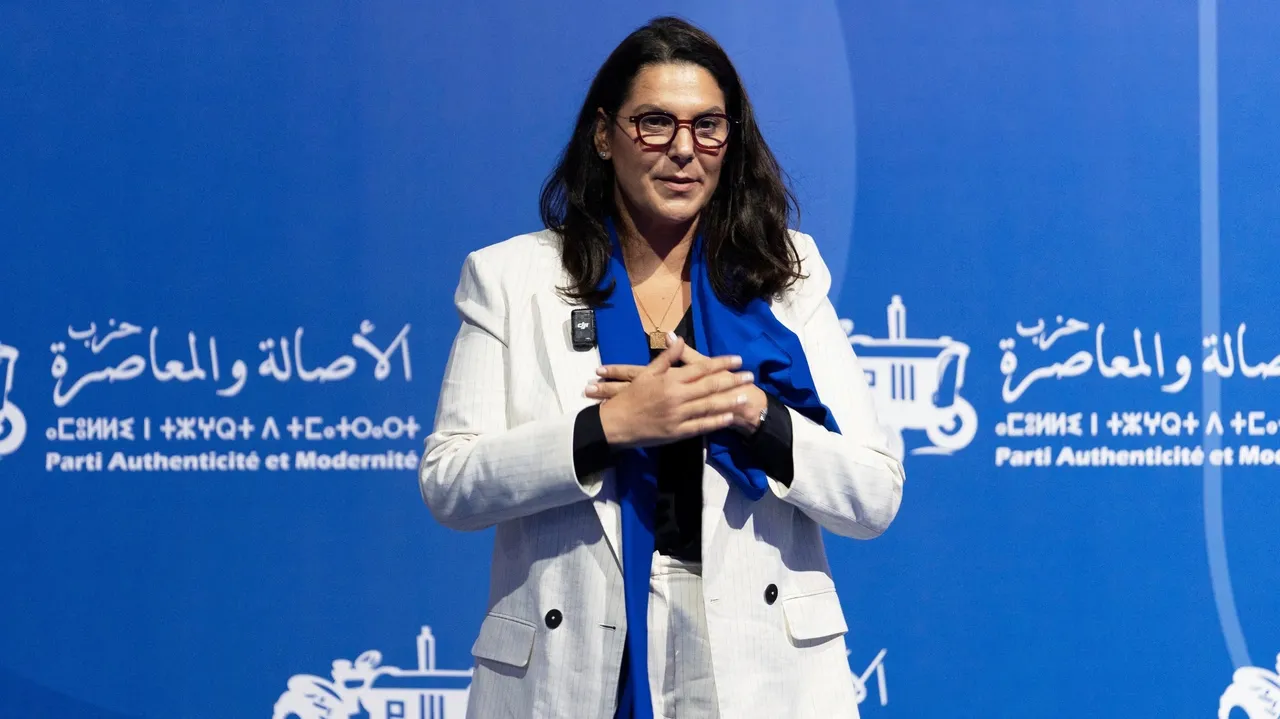
Looking ahead, PAM has indicated that it will not align with RNI, suggesting that coalition talks will likely involve the third-place finisher, Istiqlal, along with other smaller parties to achieve a governing majority. A partnership with PJD seems improbable due to historical rivalries. The Moroccan Constitution mandates that the king appoint a prime minister from the party with the most seats, and potential candidates include Fouzi Lakjaa, the president of Morocco’s soccer federation, and Fatima-Zahra Mansouri, the mayor of Marrakech. Should Mansouri be selected, she would make history as Morocco's first female prime minister. With voter turnout at a record low of 38%, reflecting growing apathy towards the political process, the new administration will need to address not only governance but also the electorate's disillusionment.
As reported by newsday.com.