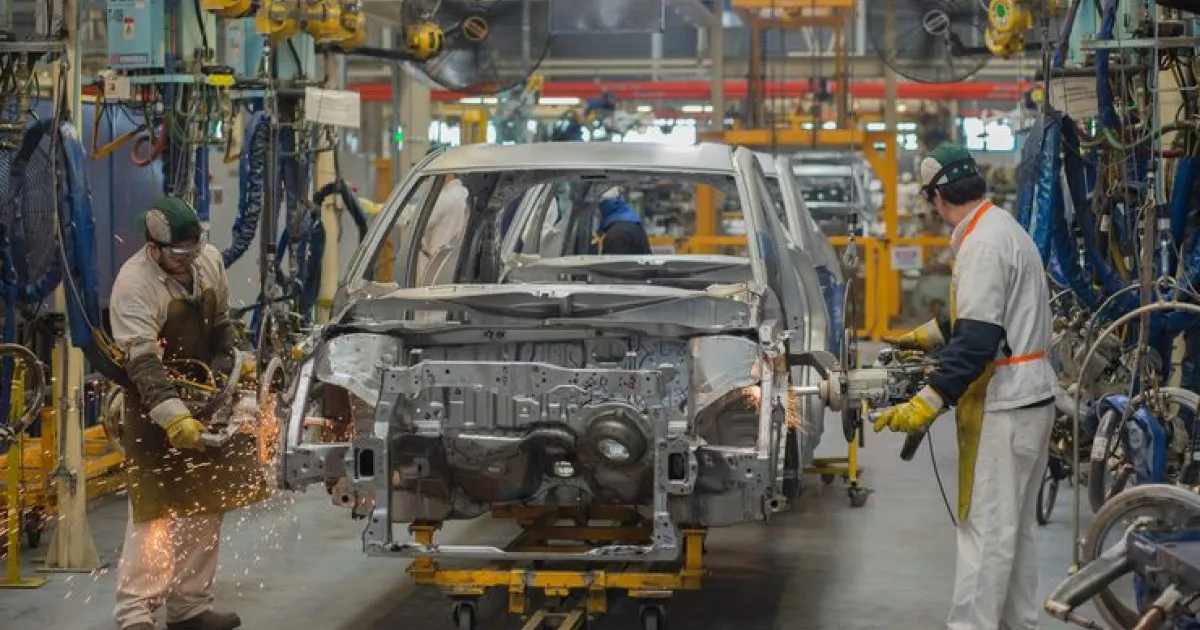

In recent years, Morocco has emerged as Spain's primary competitor in the automotive industry. Under the leadership of King Mohammed VI, the country initiated an ambitious automotive plan aimed at challenging Spain's dominance, with the first milestone being the production of over one million vehicles. Currently, Morocco has already surpassed the half-million mark, positioning itself as the leading car manufacturer in Africa. The ecosystem being developed in this North African nation is noteworthy and somewhat intimidating. Among its key assets are the newly established ports in Nador and Tangier, which have dedicated zones for vehicle transportation capable of handling over one million units annually. This logistical advantage is further amplified by the mere 12-kilometer distance to Europe across the Strait of Gibraltar.
Strategic Automotive Hubs
The Moroccan plan involves the establishment of two robust automotive hubs centered around the Stellantis and Renault factories located within its borders. This strategy includes developing a comprehensive supplier infrastructure to achieve independence regarding essential components. Notably, Morocco celebrated a significant achievement months ago by producing its own engines, marking a pivotal step in its automotive journey.
Morocco has strategically positioned itself as a key partner for China, where numerous companies have secured agreements to exploit the vast reserves of rare earth elements crucial for battery manufacturing. Additionally, the country is in the process of constructing Africa's first gigafactory for electric vehicle batteries, which will support the Renault plant in Kenitra. This initiative is complemented by four other facilities dedicated to producing chemical and metallic components essential for battery production.
Cost-Effective Production
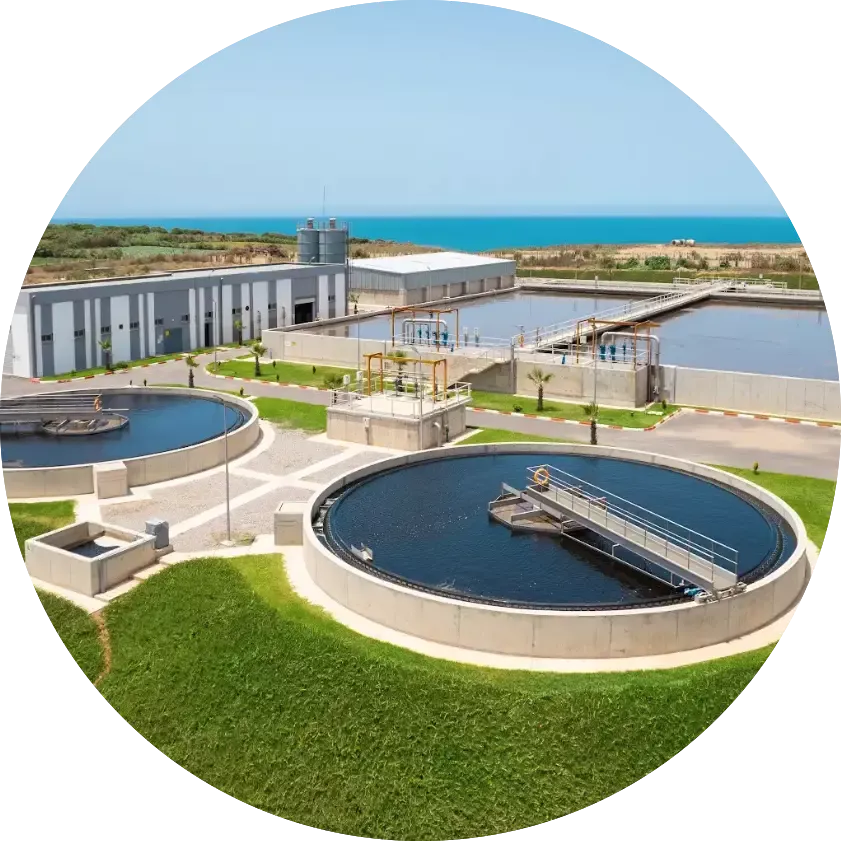
Today, manufacturing a car in Morocco is approximately 20 to 25 percent cheaper than in Spain, potentially saving manufacturers up to 3,000 euros per vehicle. The primary savings stem from labor costs, as workers in Morocco earn between 500 and 600 euros monthly, compared to a minimum of 1,500 euros in Spain. Furthermore, the energy costs in these plants are subsidized by the government, making them nearly negligible. Another factor that is challenging to quantify in monetary terms is the environmental cost. In Europe, manufacturers must strive to minimize water consumption during car production and efficiently filter and reuse waste materials. In contrast, Morocco's environmental regulations are considerably more lenient, making such practices less common.
As reported by eldebate.com.