
Morocco's Air Traffic Surge: A Tale of Two Halves
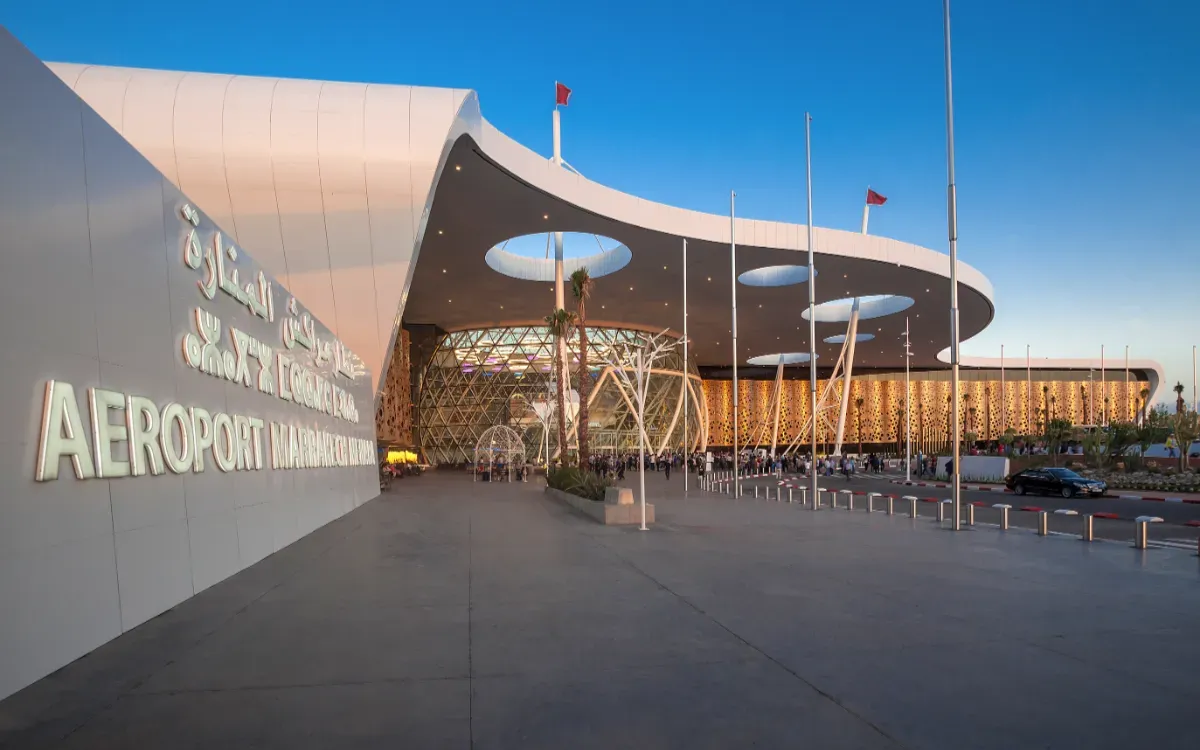
In the first half of 2026, Moroccan airports witnessed a remarkable increase of over 1.5 million passengers, highlighting a significant boom in air travel. However, this growth is predominantly concentrated in just five major airports: Casablanca, Marrakech, Agadir, Tangier, and Rabat. These airports accounted for an astonishing 97.8% of the entire growth in air traffic throughout Morocco during this period. This concentration raises concerns about the stagnation or decline of many secondary airports within the national network.
According to statistics released by the National Airports Office (ONDA), the total national air traffic surged from 17,303,047 passengers in the first half of 2025 to 18,831,461 in 2026. This increase of 1,528,414 travelers reflects the booming interest in air travel to and from Morocco, yet it also underscores the uneven distribution of this growth. While the top five airports welcomed 15,892,468 passengers—equating to 84.4% of the national traffic—other airports collectively registered a mere increase of only 33,909 passengers, translating to a paltry growth rate of approximately 1.17%.
The Challenge for Secondary Airports
Several smaller airports are struggling to keep up, with some even reporting declines in passenger numbers. For instance, the traffic at Oujda fell by 6.21%, Tétouan by 8.98%, Ouarzazate by 15.21%, Guelmim by 7.45%, and Tan-Tan experienced a staggering 43.82% drop. Even Fès, which recorded 935,382 passengers, saw a slight decrease of 0.22%. On the other hand, a few minor airports have shown notable growth, such as Beni Mellal with a 28.34% increase, Errachidia at 16.88%, and Essaouira at 11.85%. However, their passenger volumes remain too low to significantly alter the growing traffic concentration around the Kingdom's main airports.
This situation raises critical questions about the future of Morocco's aviation landscape. As the primary airports continue to thrive, the other regional airports risk being left behind, creating an imbalance that could affect travel accessibility and regional development. Stakeholders in the aviation sector may need to explore strategies to revitalize these secondary airports and ensure a more equitable distribution of air traffic across the country.
As reported by bladi.net.