
Remarkable Growth in Morocco's Aviation Sector
Morocco's aviation industry is poised for significant expansion, with exports projected to exceed $5 billion over the next two years, a substantial increase from approximately $3 billion last year. This growth is attributed to a surge in foreign investments, a rising global demand for aviation products, and the kingdom's strategic shift towards higher value-added industrial and technological activities. By the end of August, the sector recorded exports of around 30 billion dirhams (equivalent to $3 billion), marking an impressive year-on-year increase of 21.5% and establishing it as the best-performing segment among Morocco’s export industries. Notably, the export level during this period matches the total achieved by the sector for the entirety of the previous year.
Mohamed Belatiq, president of the Moroccan Aerospace Industries Association (GIMAS), stated that the sector currently comprises around 150 companies, reflecting a growth of two and a half times in size over the past decade. The aviation industry presently provides approximately 25,000 jobs, with women constituting 40% of the workforce. Major players in the sector include Boeing, Airbus, and Safran, which manufacture and assemble various aircraft components, positioning Morocco as a crucial link in the global aviation value chain.
Advancements in Value-Added Manufacturing
The Moroccan aviation ecosystem has evolved beyond the mere manufacturing of aircraft parts to encompass the production of components, wiring, system integration, engine maintenance, and assembly. According to Mr. Meshref, recent projects launched, particularly in the areas of engines and landing systems, exemplify the sector's transition to higher value-added and technological activities. Morocco is gradually transforming from a basic industrial base into a technological partner within global value chains.
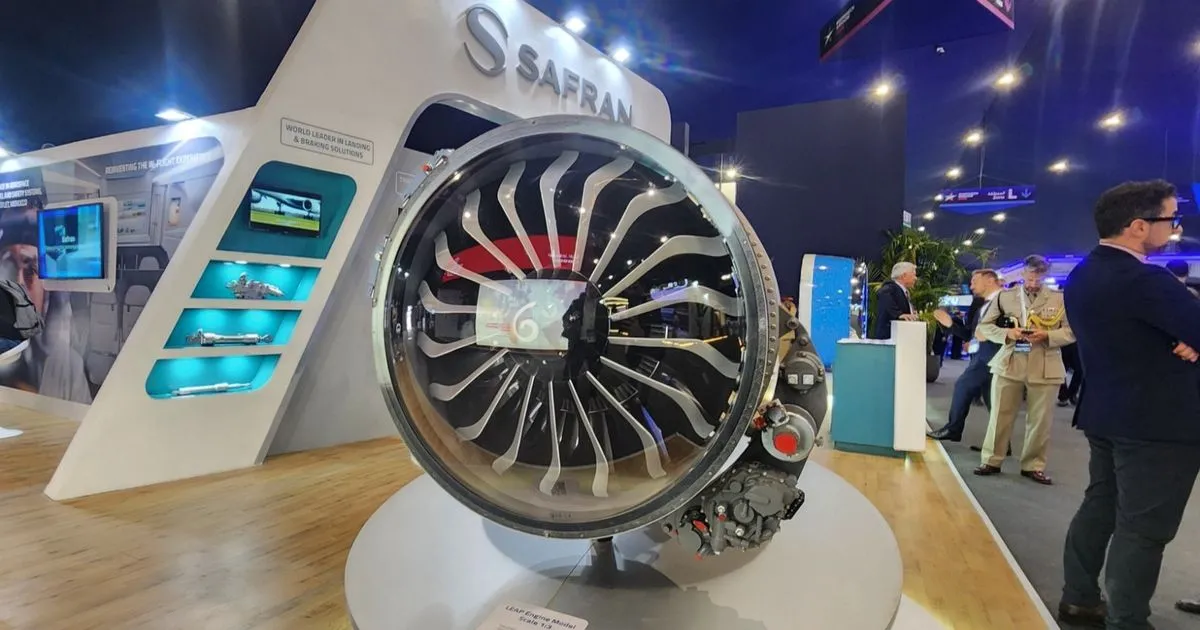
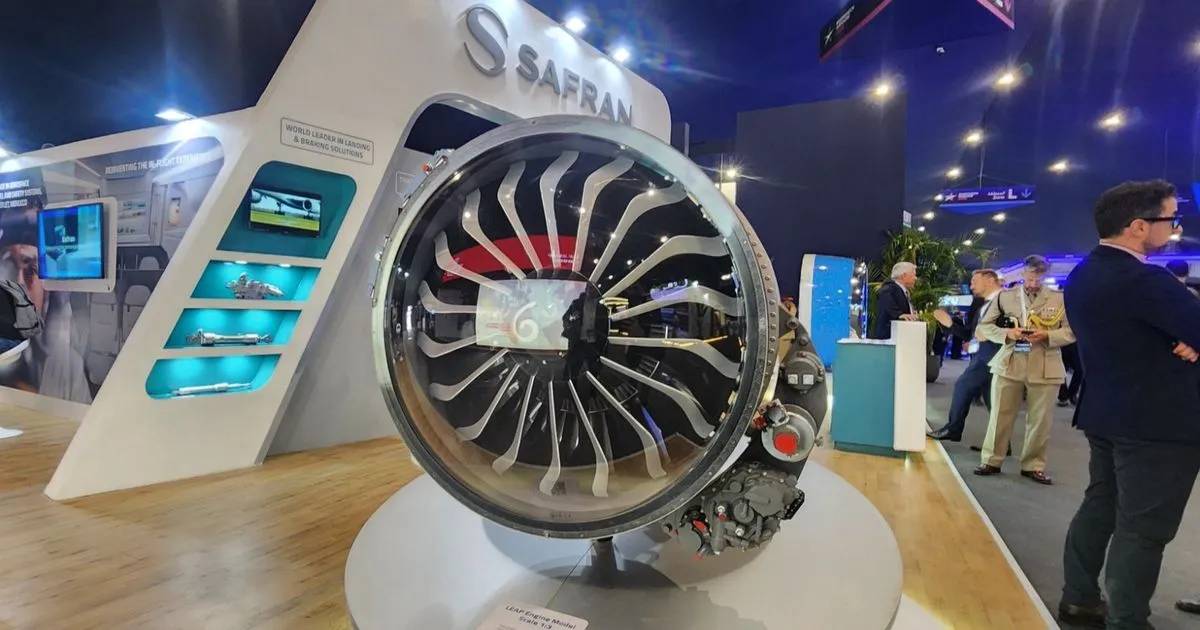
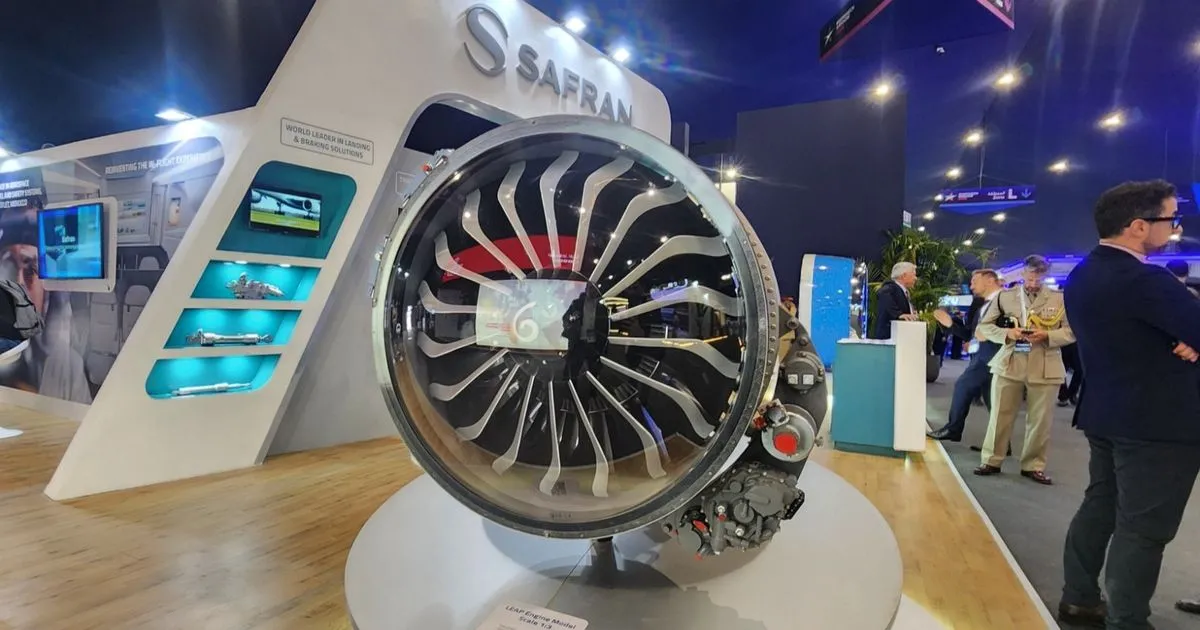
Safran's expansion is a testament to this transformation. In October 2025, the French group initiated a comprehensive aircraft engine project in the Nouacer region near Casablanca, which includes a facility for assembling and testing LEAP-1A engines and another for the maintenance and repair of LEAP engines. The assembly plant has an annual capacity of 350 engines, while the maintenance facility is designed to handle 150 engines, with investments exceeding 350 million euros for both projects and their related expansions. In February 2026, Safran further solidified its presence with an additional investment of over 280 million euros to establish a plant for aircraft landing systems in Nouacer, expected to create 500 jobs upon reaching its operational capacity. This site will incorporate precision manufacturing, assembly, testing, certification, and advanced maintenance activities.
Meshref emphasized that this trajectory raises the technological complexity of Morocco's industry, asserting that the kingdom’s ambitions extend beyond attracting investments to enhancing the positions of existing companies within global value chains, encouraging research, development, engineering, and technology initiatives.
Looking ahead, Morocco aims to achieve full aircraft assembly capabilities by 2030, a goal that reflects an expansion of its industrial base from component manufacturing to encompassing more advanced stages of aircraft production, as outlined by the Ministry of Industry and Trade. Belatiq noted that global demand presents a substantial opportunity for Morocco, especially with companies like Airbus planning to ramp up aircraft production in the coming years. The extensive number of components involved in aircraft manufacturing allows Moroccan manufacturers to broaden their participation in production chains, provided they continue developing skills and maintaining high quality standards.
The ongoing transformations in the global sector, particularly the trend towards diversifying supply chains and production sources, present Morocco with an opportunity to bolster its position within these chains, rather than merely attracting new investments. GIMAS anticipates adding approximately 10,000 new jobs to the sector, raising total employment to around 35,000 by 2030. The specialized institute for training aviation industry technicians associated with the association aims to graduate between 500 and 700 individuals annually. Approximately 75% of companies in the sector are concentrated in the Casablanca-Settat region, where the main challenges lie not in attracting investments but in providing the necessary land and industrial spaces as most investing companies expand their operations.
As reported by asharqbusiness.com.