
Morocco's Strategic Position in Global Diplomacy
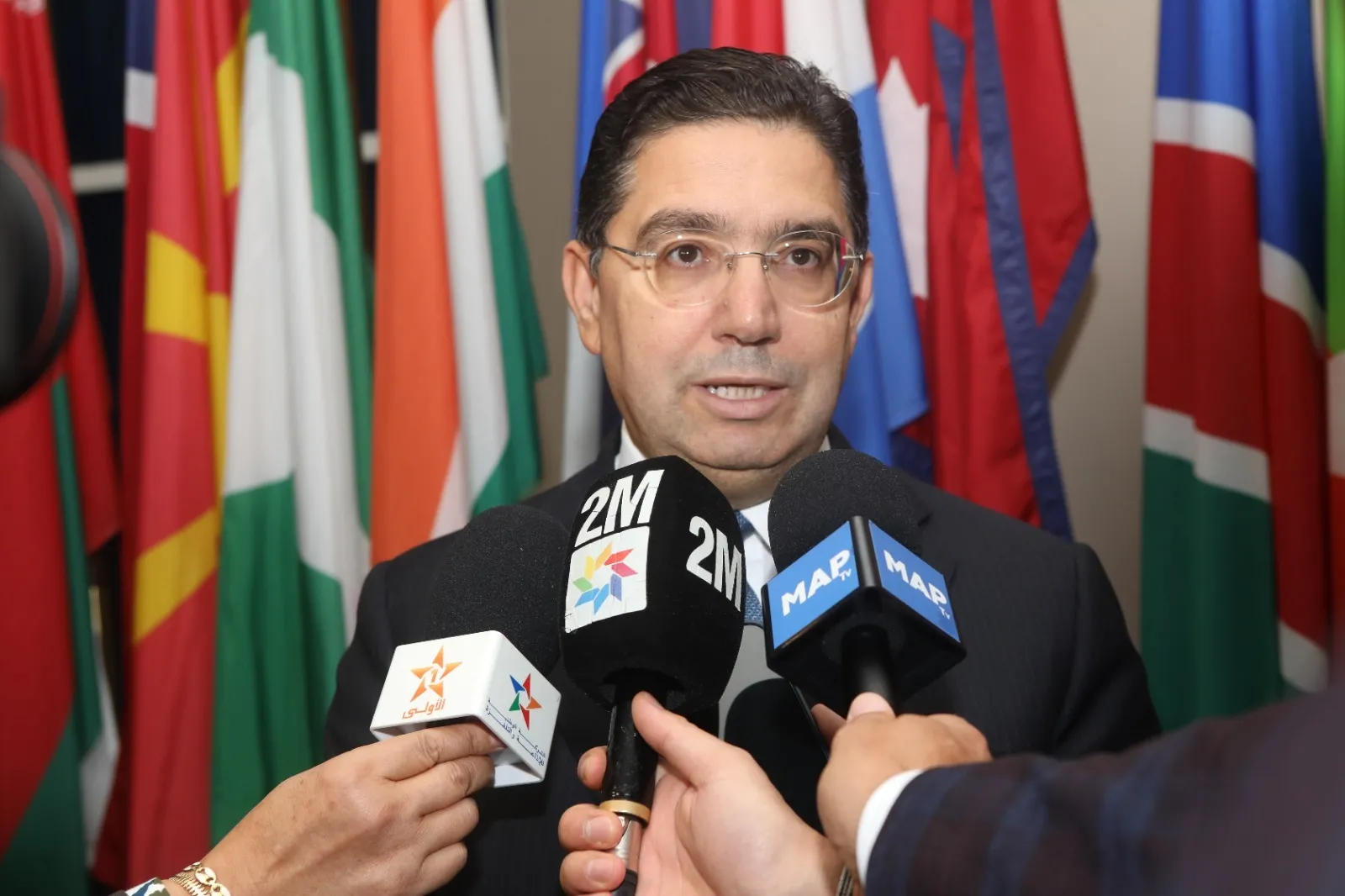
On September 25, 2026, the Moroccan Minister of Foreign Affairs, African Cooperation, and Moroccans Abroad, Nasser Bourita, affirmed in New York that Morocco's candidacy for a non-permanent seat on the United Nations Security Council for the 2028-2029 term exemplifies the kingdom's weight and status as a credible and active player on both regional and international stages. This statement was made during his participation as the head of the Moroccan delegation at the 81st session of the UN General Assembly.
Minister Bourita elaborated that Morocco's nomination is grounded in a "diplomatic approach rooted in ancient traditions," guided by the insightful vision of His Majesty King Mohammed VI regarding major global issues, coupled with the extensive experience the kingdom has accumulated over centuries. He emphasized that whether addressing climate change, development, counter-terrorism, or significant regional issues, Morocco will approach these topics with a clear and well-defined vision, highlighting that the elections for non-permanent seats on the Security Council will take place in June 2027.
Initiatives and Regional Cooperation
In this context, the minister underscored various initiatives launched by Morocco across multiple domains, asserting that Moroccan diplomacy, under the leadership of the King, carries numerous initiatives on both regional and multilateral fronts. He particularly noted the signing of the "African Charter on the Disarmament, Demobilization, and Reintegration of Child Soldiers," an agreement championed by Morocco, which was signed by several African nations earlier this week.
Discussing the "Atlantic African States Process," Minister Bourita highlighted that the eighth ministerial meeting of this initiative held on Friday in New York demonstrates that it has reached a maturity phase, receiving greater ownership by member states, which positions it as a reference initiative. He commended Gabon's commitment to host a dedicated meeting for this process, while Cape Verde will organize a workshop involving experts and stakeholders in maritime security. Morocco will also host the ninth ministerial meeting of this initiative.
This increasingly strengthening initiative contributes to transforming maritime corridors into a "structured space for cooperation" at a time when the world continues to face geopolitical tensions and conflicts that adversely affect trade and maritime navigation.
The 81st session of the General Assembly also provided Morocco with an opportunity to present an initiative focused on public-private partnerships in development, during a meeting co-organized with the United Nations Development Program under the theme: "Financing the Future: Partnerships Between Public and Private Actors for Investment in Development." Minister Bourita further reminded attendees of Morocco's co-chairmanship, alongside the UN Secretary-General and the President of the General Assembly, of the Global Conference on Combating Hate Speech by promoting dialogue and coexistence among religions and cultures. This conference, co-organized by Morocco with the UN Office on Genocide Prevention and the Responsibility to Protect, and the Alliance of Civilizations, has significantly enhanced the role of dialogue and tolerance in preventing hate speech and fostering social cohesion.
In conclusion, Minister Bourita stated that through these initiatives, Morocco is providing constructive responses and solutions while creating spaces for dialogue on issues pertinent to the countries participating in the UN General Assembly proceedings.
As reported by diplomatie.ma.