
Morocco Advocates for Change in Sahara Dispute at UN Seminar
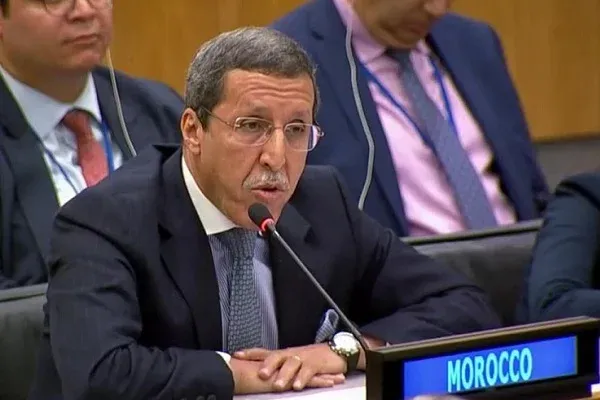
Omar Hilale, Morocco’s ambassador and permanent representative to the United Nations, recently addressed the regional seminar of the UN Committee of 24 (C24) held in Managua, Nicaragua, from May 25 to 27. During his speech, Hilale made a compelling argument against the continued inclusion of the Sahara issue on the committee’s agenda, labeling this practice as anachronistic. He emphasized that maintaining the Sahara as a topic of discussion within C24 not only undermines the authority of the UN Security Council but also constitutes a violation of Article 12 of the United Nations Charter, which clearly establishes the primacy of the Security Council over the General Assembly's subsidiary bodies. This assertion becomes particularly salient in light of the recent diplomatic advancements surrounding the Sahara file, especially following the adoption of Resolution 2797.
In his remarks, Ambassador Hilale underscored that the Security Council has already laid out a strategic path forward, facilitated by the Personal Envoy of the Secretary-General and with significant support from the United States. He pointed out that the resolution has recognized the autonomy plan under Moroccan sovereignty as the sole viable and credible foundation for achieving a lasting resolution to the dispute. Furthermore, he highlighted the importance of the involvement of the four key parties in this political process: Morocco, Algeria, Mauritania, and the Polisario Front.
Continuing on this trajectory, Hilale asserted that Morocco has demonstrated its commitment to the peace process by taking tangible actions, notably through the elaboration of its autonomy plan in response to Resolution 2797. This proactive stance has contributed to fostering a positive atmosphere for discussions held in Washington and Madrid. He remarked that this renewed momentum stems from a growing international consensus that has progressively crystallized around the Moroccan Autonomy Initiative since its introduction in 2007.
In conclusion, the Moroccan ambassador conveyed a critical message to the other parties involved in the dispute, urging them to embrace this pivotal moment. He articulated that they now face a historic choice: to capitalize on the opportunity to resolve a conflict that has persisted for over fifty years, thereby alleviating the plight of exiled populations and improving living conditions in the Tindouf camps, or to maintain the status quo, which harbors numerous security risks and uncertainties.
As reported by en.yabiladi.com.