Investors in the Moroccan market are keenly awaiting the third quarterly meeting of the Bank of Morocco, scheduled for tomorrow, Tuesday. There is a strong consensus among analysts and financial institutions regarding the expectation that the central bank will keep the interest rate unchanged at 2.25% for the sixth consecutive time. This decision comes in light of a mixed economic landscape characterized by a contraction in consumer prices alongside ongoing external pressures in energy markets.
The meeting on September 22 unfolds against the backdrop of sustained strength in local economic activity. In its previous quarterly meeting in June, the Bank of Morocco had revised its economic growth forecast upwards to 5.2% for 2026, before predicting a slowdown to 3.1% in 2027. Numerous financial institutions have aligned with the scenario of maintaining the current interest rate, as indicated by a regular survey conducted by the Research Center (BKGR) associated with Bank Africa, which is the third-largest bank in the kingdom.
Inflation and Elections
Abdel Razak Maghraoui, CEO of Serval Asset Management, anticipates that the Bank of Morocco will hold the interest rate steady due to the contraction in consumer prices driven by a decline in food prices, which have been plentiful this summer. Maghraoui stated in an interview with Bloomberg Asharq, "The likely decision is to maintain the interest rate because there is a contraction in consumer prices due to the decrease in food prices that are abundant during the summer." He also noted that the market is already pricing in the scenario of interest rate stability, highlighting that the recent rise in the local bond market is concentrated in medium to long-term maturities, while short-term bonds have not experienced similar movements, reflecting expectations of no changes in monetary policy.
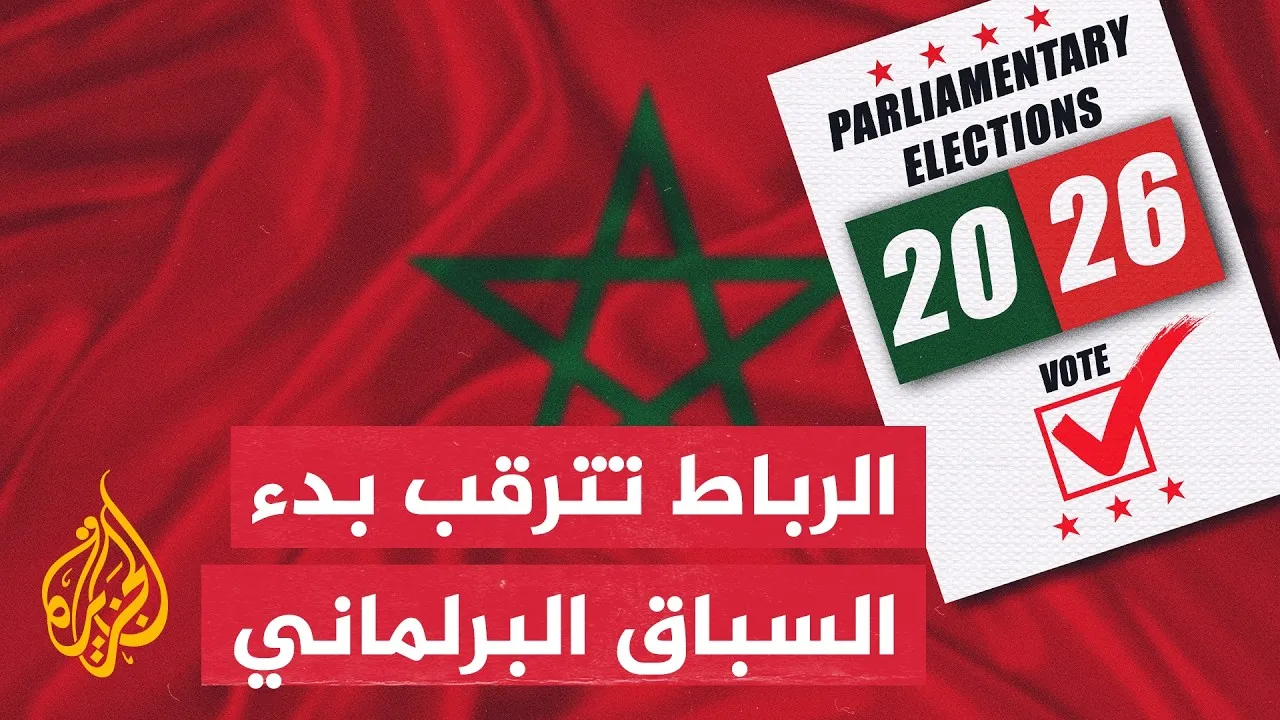
Adil Lahlimi, the founder and director of the Alphabourse platform, agrees with the predictions for holding interest rates, citing local price contractions that he believes do not necessitate an increase in rates at this time. Lahlimi commented to Bloomberg Asharq, "Despite the European Central Bank and the U.S. Federal Reserve raising interest rates, the Bank of Morocco can afford to be patient." He further remarked that the timing of the central bank's meeting coinciding with the upcoming legislative elections adds another factor supporting the decision to maintain the current interest rate. He added, "Although the Bank of Morocco is independent of the government, I do not think it will choose to raise rates the night before the elections. It will wait for the new government's vision, program, and deficit targets before making any future decisions." On September 23, Moroccans are expected to elect a new parliament, from which a new government will emerge to serve a five-year term.
The central bank has canceled the press conference that it usually holds after each of its board meetings, justifying this decision by stating that it coincides with the final hours of the election campaign, emphasizing respect for democratic principles and ensuring institutional neutrality during this period.
Strong Economic Data
The BKGR research center stated in a note to clients that "the continued strength of economic activity, the decline in local inflation, and ongoing external uncertainties will drive the Bank of Morocco to maintain the interest rate unchanged." The analysts from the center added in the note, "This current situation provides the best balance between supporting the economy and the necessity of retaining maneuvering room against the ongoing threat of imported inflation while awaiting greater clarity regarding the actual direction of major central banks." Recent data indicates robust economic dynamics, with GDP growth recorded at 4.8% in the second quarter of the year, down from 5% in the first quarter, while forecasts indicate growth may accelerate to 5.4% in the third quarter, according to the High Commission for Planning, the government agency responsible for statistics. The BKGR research center predicts an annual growth rate of around 5.1%, driven by a rebound in the agricultural sector and strong investment dynamics.
On the inflation front, consumer prices experienced a shift during the summer, as they fell by 0.6% year-on-year in July, compared to an increase of 0.3% in June, driven by a 1.9% decrease in food price indices and a 4.9% drop in fuel prices during the month alone. This decline aligns with the Bank of Morocco's expectations that average inflation will reach 1.5% this year before rising to 2.1% next year.
Despite the contraction in prices, caution remains among monetary policymakers due to the persistent rise in global energy prices and expectations of further tightening in international monetary policy. This situation limits the Moroccan central bank's maneuvering room for any new monetary easing in the near term. Additionally, pressure is mounting as fuel prices at gas stations in Morocco have returned this month to exceed 15 dirhams per liter, marking one of the highest levels recorded since the onset of the Iran war.
The global monetary policy environment adds another dimension favoring the wait-and-see approach. The European Central Bank recently raised its interest rate by 25 basis points in its meeting on September 10 in response to ongoing inflationary pressures linked to energy prices, while the U.S. Federal Reserve also implemented a similar increase of 25 basis points on September 16, bringing the federal interest rate range to 3.75%-4.00%, with a firmer tone regarding inflation, which is still regarded as relatively high. According to analysts from the BKGR center, this tight international climate reduces the likelihood of any further monetary easing by the Bank of Morocco in the short term, despite the return of inflation to negative territory, due to the temporary nature of deflationary factors and the resilience of national economic activity, alongside the uncertainty surrounding the future trajectory of major global central banks.
As reported by asharqbusiness.com.