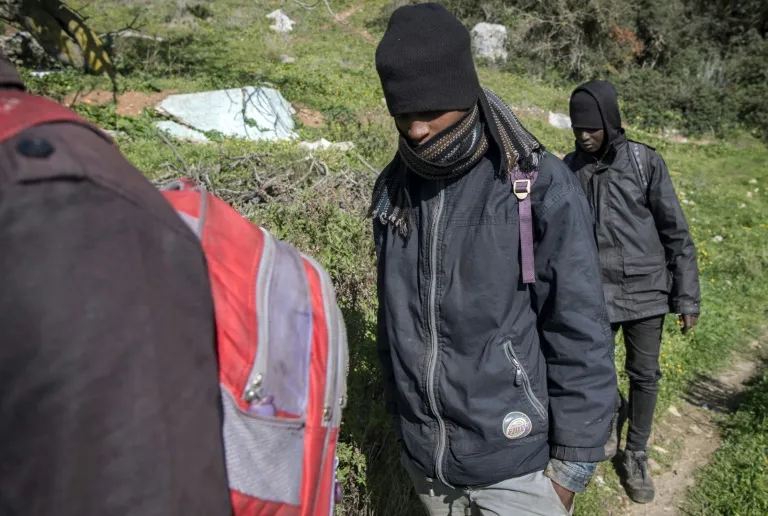

Morocco Steps Up to Repatriate Child Migrants from Ceuta
In a significant diplomatic move, Morocco has expressed its readiness to collaborate with Spain and other European nations to facilitate the return of unaccompanied Moroccan minors who found themselves stranded in the Spanish enclave of Ceuta. This situation arose amidst an unprecedented surge in migration that left over 1,100 children in precarious conditions within the territory. Moroccan authorities have emphasized their commitment to repatriating these minors, following accusations of a lack of cooperation from some Spanish political figures.
The response from Rabat comes in light of a recent crisis at the Morocco-Spain border, wherein approximately 72,000 migrants reportedly crossed into Ceuta during a chaotic mass migration event. While local authorities in Spain indicated that the number of arrivals was significantly high, Moroccan officials estimated the figure to be around 40,000. The overwhelming influx has placed considerable strain on Ceuta's reception facilities, leading to overcrowded shelters and a dire humanitarian situation where many children were forced to sleep outdoors.
Challenges in the Repatriation Process
Despite Morocco's pledge to assist in the repatriation efforts, significant legal and administrative hurdles remain. A diplomatic source from Morocco revealed that the delays in the repatriation process stem more from European legal obstacles rather than a lack of political will from Rabat. The complexities involved in returning unaccompanied minors are further exacerbated by Spanish and international child welfare laws, which afford these children certain protections that complicate their repatriation.
The current situation has reignited discussions regarding migration cooperation between Morocco and the European Union, highlighting Morocco's pivotal role as a partner in managing irregular migration across the western Mediterranean. As tensions between Morocco and Spain have flared over migration issues in the past, this recent commitment from Morocco may serve to alleviate some of these diplomatic strains while reinforcing its stature as a critical ally in Europe's migration management efforts.
Moving forward, the speed and efficiency of the repatriation will largely depend on the collaboration between Spanish and Moroccan authorities, alongside the necessary compliance with legal procedures and child protection assessments. The humanitarian implications of this crisis continue to resonate, illustrating the ongoing challenges faced by unaccompanied minors in migration contexts.
As reported by africa.businessinsider.com.