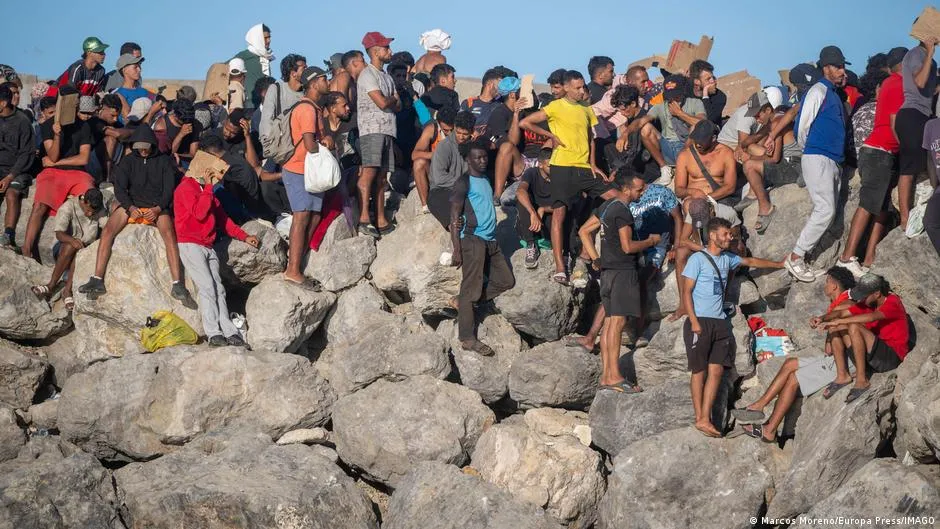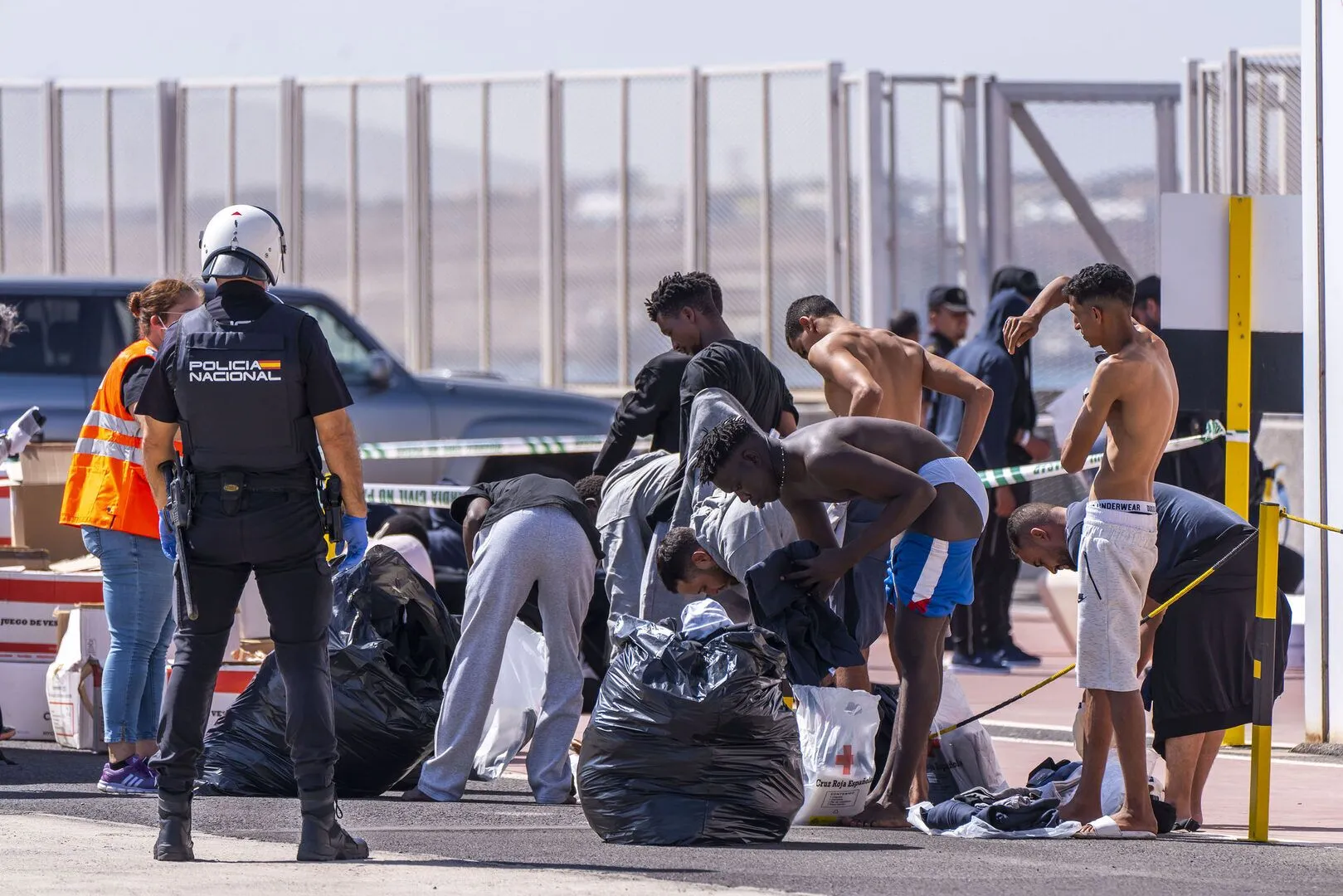

The Moroccan government has officially expressed its readiness to repatriate all unaccompanied minors currently residing in Spain. However, this process is contingent upon the Spanish administration removing all judicial and administrative barriers that have hindered such actions. This statement was made by a diplomatic source from Morocco to the EFE news agency on Thursday.
Moroccan officials emphasize that the delays in repatriation are a direct result of Spain's complex bureaucratic and legal framework. A strongly-worded statement from the source highlighted that "Morocco has made clear commitments regarding this matter. There are instructions from King Mohammed VI to work towards the return of these unaccompanied minors to their home country, Morocco." Furthermore, the diplomatic representation from Rabat criticized the media manipulation and political agendas that, in their opinion, systematically misrepresent the situation of unaccompanied minors in Spain. They assert that many media outlets and political forces in Spain portray the issue as if Morocco has failed to fulfill its commitments, a narrative that the Moroccan diplomats vehemently reject, condemning the use of this social drama for "political" purposes.
In addition, Morocco maintains that its intention to repatriate these young individuals is neither a new nor an improvised stance. The commitment to repatriation was formally articulated in a joint declaration signed by the interior ministries of Spain and Morocco in June 2021. The Moroccan authorities claim that the identification processes for these youths are progressing and that this procedure does not constitute an obstacle to their return.
The real bottleneck, according to sources in Rabat, lies entirely within Spain's borders and its protective legal framework. They pointed out that the administrative and, at times, judicial measures in Spain are the main impediments. "The minor cannot return or benefit from this cooperation operation due to obstacles in the current Spanish legislation, which provides specific treatment for minors," the diplomatic source criticized.
Moreover, this institutional and legislative paralysis is further complicated by the ideological interference from non-governmental organizations (NGOs). Moroccan diplomats allege that these organizations promote stances aimed at forcing and prolonging the indefinite stay of minors within Spain's support network and care centers. This pressure from the aid sector, according to Rabat, creates a media smokescreen that falsely attributes a lack of willingness on Morocco's part to execute repatriations, while "the reality is quite different."
In response to the official narrative and administrative inaction, Morocco has reaffirmed its commitment to carrying out the agreed repatriations. "The reality on the ground is that Morocco has always been open to this issue and that, at the highest levels of the state, there has been a commitment. Morocco fulfills its commitments and wishes to continue doing so, provided that the judicial and administrative barriers are lifted, to work more smoothly on this matter," the sources firmly stated.
As of 2024, Morocco's Foreign Minister Naser Burita publicly reiterated Rabat's full readiness to take responsibility for and welcome back the minors dispersed across various EU member states. Burita highlighted the evident procedural and legislative gaps in European frameworks as the main obstacle to formalizing repatriations. The Moroccan chancellor urged immediate action to address these operational and legal deficiencies, which, he warned, ultimately enable the impunity with which human trafficking mafias operate along migration routes.
As reported by libertaddigital.com.