
Understanding Global Interconnectedness and Its Impacts
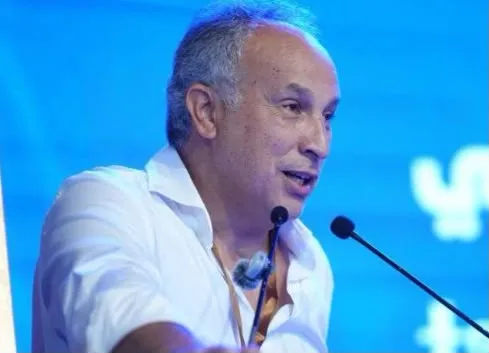
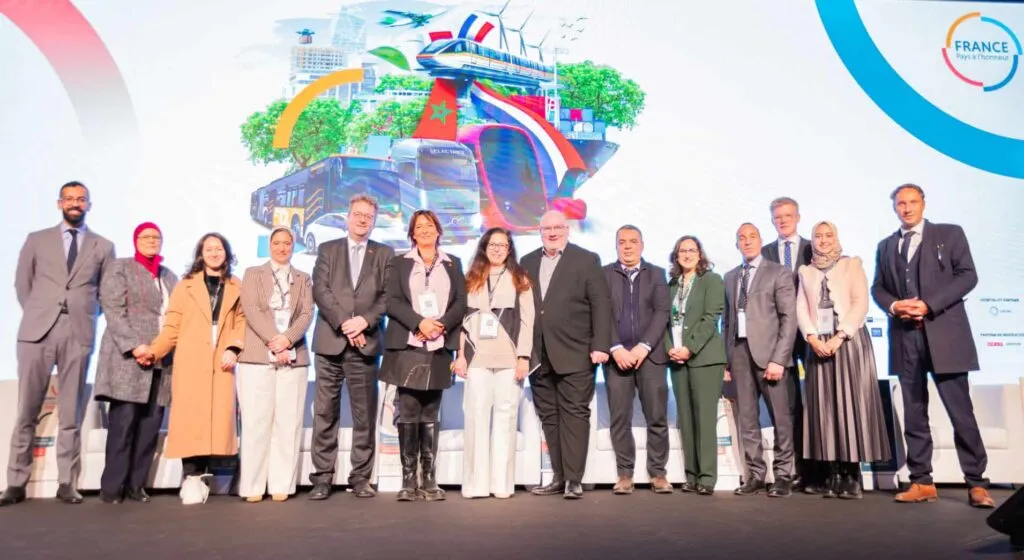
The Minister of Equipment and Water, Nizar Baraka, highlighted the interconnected nature of today's crises, stating that geopolitical tensions influence supply chains, while water stress affects food security. He emphasized that digital transformation is reshaping competitiveness, and financing has become a crucial factor in nations' ability to achieve developmental transformation. Speaking in Marrakech at the fourth edition of the Parliamentary Economic Forum for the Euro-Mediterranean and Gulf regions, Baraka pointed out the vital role of parliaments in establishing legislative frameworks that ensure investment, guarantee transparency, support digital transformation, promote sustainable financing, protect natural resources, and pave the way for a new generation of cross-border partnerships.
Building a Sustainable Future Through Infrastructure
Baraka expressed his hope that the recommendations from this forum would significantly contribute to creating a more integrated Euro-Mediterranean and Gulf space, capable of mobilizing financing, open to innovation, committed to sustainability, and aware that the future of our peoples cannot be built on narrow competition but rather on smart integration and mutual interests. He reaffirmed Morocco's commitment to being an active partner and a driving force behind initiatives aimed at achieving economic integration, enhancing water and food security, developing the blue economy, and establishing sustainable and interconnected infrastructure. The Minister articulated the belief that Morocco's strength lies in its ability to connect: linking shores, markets, people to opportunities, and the present to the future. He asserted that the bridges of tomorrow will not only be made of concrete and steel but will also be built from water, intelligence, trust, and solidarity.
Baraka emphasized that infrastructure is the backbone of economic sovereignty and the true link between vision and achievement. Under the royal leadership, Morocco has recognized that infrastructure encompasses more than just roads, ports, and dams; it serves as a lever for production, a tool for integration, a conduit for trust, and a bridge between citizens and opportunities, as well as between businesses and markets, and the national territory and its continental and international extensions. He asserted that the Kingdom has positioned the equipment and water sector as a catalyst for structural transformation, enhancing national economic competitiveness, ensuring spatial equity, and securing Morocco's participation in regional and global value chains, especially within the framework of the African Continental Free Trade Area, with the aim of reinforcing Morocco's role as a connecting platform between Africa, Europe, and the Mediterranean and Gulf regions.
Moreover, Baraka mentioned that every road opened, every port constructed, every dam completed, and every water facility that secures a strategic resource is not an isolated sectoral project. Rather, these are building blocks in the architecture of shared sovereignty and tools to reduce the distances between economic potentials and investment areas, as well as between developmental aspirations and the conditions necessary to achieve them. On a different note, Baraka pointed out that digital transformation is a lever for modernizing sector management and improving the services provided to users and partners. This shift has been manifested through the adoption of advanced digital systems in the management of water resources, enhancing weather monitoring and forecasting capabilities, digitizing business qualification and classification processes, and improving management of public port property, in addition to promoting electronic performance on highways and establishing modern control rooms for traffic management.
He announced the launch of the Ministry of Equipment and Water's Project Observatory, an interactive platform that enables citizens, partners, and businesses to track projects by region, province, or municipality through an interactive map, thereby enhancing transparency, efficiency, and trust in managing public projects. Baraka also expressed Morocco's support for initiatives aimed at establishing a Euro-Mediterranean and Gulf hub for artificial intelligence, capable of standardizing technical specifications, enhancing interoperability of platforms, and facilitating cross-border exchanges.
He emphasized that the blue economy represents a promising lever for growth, employment, and sustainability, especially in our Mediterranean and Atlantic regions. The ministry is working to make Moroccan ports greener by decarbonizing port activities, developing green logistics, and supporting renewable marine energy, which enhances marine environment protection and boosts investment attractiveness in a global system where sustainability is a criterion for market access. Baraka highlighted that Morocco has adopted a comprehensive approach based on mobilizing the general budget, soft loans, public-private partnerships, and innovative tools, including green bonds, to finance sustainable projects with clear economic, social, and environmental impacts.
According to Baraka, public-private partnerships are a strategic option, particularly in sectors that require technical expertise and long-term financing, as seen in desalination projects. He affirmed that this model allows for risk sharing, technology transfer, and improvement in implementation and operational quality, while maintaining the state's role in planning, guidance, and ensuring the public interest. Baraka praised the national enterprise, especially construction and public works companies, stating that they are not merely conduits for contracts but partners in development, actors in wealth creation and job opportunities, and crucial for solidifying Moroccan engineering expertise. He affirmed that supporting these enterprises is not a temporary measure but part of economic sovereignty.
As reported by madar21.com.