
Morocco Reaffirms Its Support for Guinea-Bissau's Stability
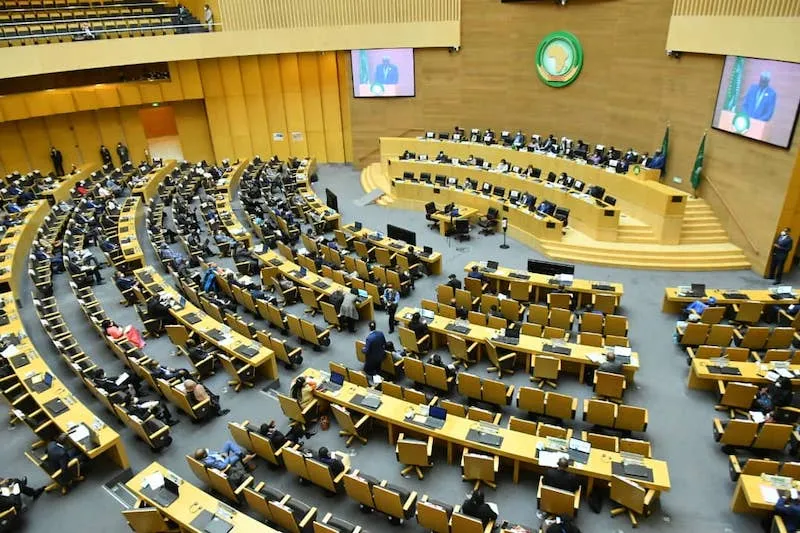
On Monday, Morocco reiterated its unwavering commitment to maintaining the stability and national unity of Guinea-Bissau during a meeting of the African Union's Peace and Security Council. The Moroccan delegation, while discussing the political transition and security situation in Guinea-Bissau, emphasized the necessity of fostering a comprehensive and peaceful dialogue between the transitional government and various social and political actors within the country. They underscored that only a dynamic based on mutual consultation and listening could enhance peace, strengthen national cohesion, and pave the way for the desired stability and prosperity.
In terms of security, the Moroccan delegation highlighted the importance of launching participatory and inclusive reforms in the security sector. These reforms must be grounded in principles of good governance, respect for human dignity, and democratic values. They pointed out that strengthening institutional capacities and building trust between citizens and national institutions are essential elements for preventing crises and promoting sustainable peace.
Moreover, the delegation acknowledged the socio-economic and humanitarian dimensions that require special attention, especially considering the alarming humanitarian situation in Guinea-Bissau, characterized by ongoing insecurity, population displacement, weak infrastructure, and structural poverty impacting the most vulnerable segments of society. They noted that these challenges are exacerbated by the reduction or even suspension of some international aid, particularly the cessation of funding from the U.S. Agency for International Development, which could further increase the vulnerability of local populations.
The Moroccan representatives stressed the necessity of adopting a holistic and multi-dimensional approach that encompasses peace, security, and development, while enhancing the resilience of populations and improving their access to essential social services. This approach aims to restore hope and dignity to local communities.
In this context, Morocco expressed its commitment to the principle of African solidarity, not only to support Guinea-Bissau but also to assist all African nations engaged in political transition processes. The delegation emphasized the need to address the root causes of instability by promoting sustainable development policies and creating economic opportunities, particularly for youth and women, while also enhancing social inclusion and national cohesion. They reminded attendees of the proposal regarding informal consultations between the Peace and Security Council and the transitional authorities in Guinea-Bissau.
Furthermore, the Moroccan delegation reiterated the importance of strengthening coordination and synergy among the efforts of various regional and international actors in the region, particularly the African Union, the Economic Community of West African States (ECOWAS), and the United Nations. This collaboration is crucial for ensuring a coordinated and effective response to the challenges facing Guinea-Bissau. They called on all political and institutional actors in Guinea-Bissau to prioritize dialogue, consultation, and respect for constitutional order to maintain the country’s stability and successfully navigate the transitional phase.
Lastly, they urged the enhancement of support directed toward national efforts to reform the security sector and institutional governance, within a comprehensive and participatory approach that promotes the rule of law and crisis prevention. Increased international and regional support for socio-economic development programs and humanitarian aid, especially for youth and women, is essential to bolster community resilience and sustainably address the root causes of instability.
As reported by hespress.com.