
Morocco Reiterates Its Commitment to Unaccompanied Minors
Morocco has reaffirmed its commitment to facilitating the return of unaccompanied minors, who cannot be expelled according to Spanish regulations, in line with royal directives. This announcement comes amid growing concerns from various NGOs regarding the plight of hundreds of children still present in Ceuta, who are vulnerable to violence, exploitation, and human trafficking due to the overcrowding of reception facilities. According to Moroccan diplomatic sources, the Kingdom is prepared to collaborate with Spanish authorities and European partners to ensure these minors can return home safely.
Despite Morocco's willingness to cooperate, there are recurring allegations that the country is not doing enough to assist in the return of these minors, particularly in the context of the ongoing migration debate. Moroccan officials have expressed frustration over what they describe as unfounded accusations that politicize the issue for electoral gain. They emphasize that Morocco is fulfilling its commitments, and the challenges surrounding the return process are primarily linked to administrative and judicial barriers that hinder operations.
Legal Challenges and Urgent Humanitarian Needs
In light of the current situation, Rabat has rejected the notion that these legal obstacles should be used as a political tool to criticize Morocco's cooperation or its concern for unaccompanied minors. The diplomatic source has called on concerned partners to reassess their own frameworks, suggesting that if they genuinely wish to facilitate returns, they must address the legislative and administrative hurdles that impede these efforts. For Morocco, the return of these minors is not just a matter of policy but a principle rooted in cooperation with Spain and the European Union.
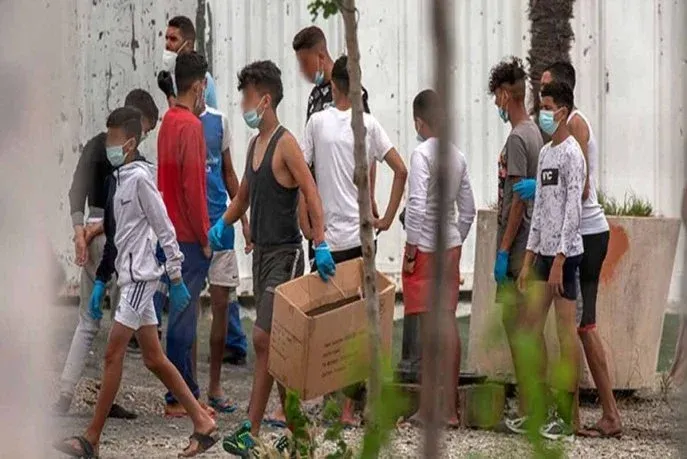
On the ground in Ceuta, the situation remains dire, with hundreds of unaccompanied minors still stranded following a surge in arrivals at the end of July. Local authorities report that out of approximately 2,000 individuals remaining in the area, more than 1,000 are unaccompanied minors. The Spanish authorities are struggling to provide adequate care for these children, as the accommodation capacities are severely overwhelmed. Many young migrants, primarily from Sub-Saharan Africa, have resorted to seeking refuge on beaches or in wooded areas, with some forced to sleep on the ground, possessing little more than bags, water bottles, or clothing. Others depend on local associations and residents for basic sustenance.
Several Spanish NGOs have raised alarms regarding the dangers these children face. José Miguel Morales, a representative from the Sur Acoge association, reports incidents of minors being beaten or assaulted while wandering the streets of Ceuta. He warns that every day spent without safe accommodation increases the risk of abuse, especially for girls, some of whom are as young as ten years old. Save the Children has called for urgent action to locate, identify, and document all minors present in the area, stressing the heightened risks of violence, trafficking, and exploitation faced by girls.
With significant pressure on Ceuta's facilities, local authorities indicate that around 1,100 children require care, while the city offers only approximately 90 places for minors. Reception centers are overcrowded, and some facilities designated for migrants have been closed, forcing authorities to improvise new arrangements. In response to these challenges, humanitarian organizations play a crucial role in providing daily support. The situation in Ceuta thus places the issue of unaccompanied minors at the forefront of migration relations between Morocco and Spain. Rabat remains committed to organizing their return, asserting that the primary obstacles lie within the administrative and judicial frameworks of partnering countries. Meanwhile, NGOs continue to demand immediate responses to shelter these vulnerable children, identify them, and prevent them from becoming victims of violence, trafficking, or exploitation. The intersection of humanitarian urgency and legal difficulties now necessitates effective coordination among all involved parties.
As reported by quid.ma.