
Government Initiatives Addressing the Needs of the Elderly in Morocco
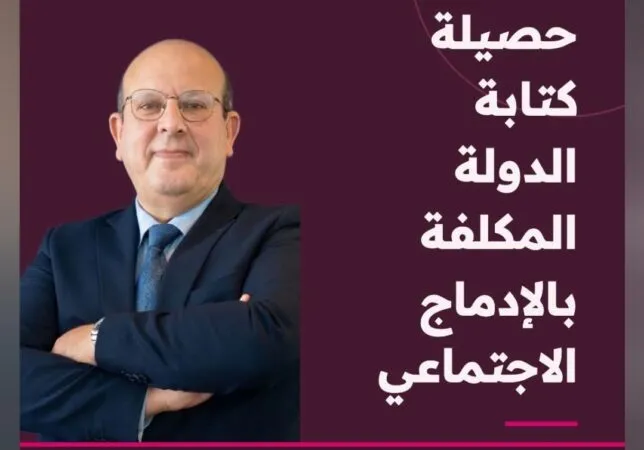
The Moroccan Government's State Secretariat for Social Integration has recently showcased its achievements in supporting the elderly, particularly in light of the significant demographic shifts occurring in the country. These shifts are characterized by a steady increase in the elderly population and the evolving structure of Moroccan families and their roles. According to the State Secretariat, the phenomenon of aging presents various challenges with health, social, and economic dimensions, necessitating proactive interventions to address the impacts of this rapidly changing demographic landscape.
In response to these challenges, a National Action Plan for Promoting Active Aging for the period of 2023-2030 has been developed, themed "For Active Aging." This strategic initiative was crafted through a consultative process involving various stakeholders, including representatives from governmental sectors, national institutions, associations managing social care centers for the elderly, and experts and researchers in the field.
The plan aims to enhance comprehensive and integrated care for the elderly, ensuring their access to diverse social, health, cultural, and environmental services. Moreover, it seeks to incorporate aging issues into national sectoral policies and programs. Prior to finalizing this plan, a public discussion was initiated at the regional level through consultative meetings, intending to involve all stakeholders in shaping public policy directions concerning the elderly.
Innovative Family-Centered Support Structures for the Elderly
In alignment with the family-centered approach to caring for the elderly, the State Secretariat emphasized its commitment to supporting families that provide care for older individuals, recognizing the family as the "natural shelter" that offers stability, reassurance, and dignity to the elderly. To this end, 46 day care centers for the elderly have been established across various regions of the country, aimed at bolstering family care and encouraging the continued presence of the elderly within their familial environment.
These centers include 26 day care facilities created through partnership agreements between the Ministry of Solidarity, Social Integration, and Family and active associations in the field, as well as 20 centers supported by the National Cooperation and various operational associations. The responsibilities of these centers extend beyond mere reception; they also provide recreational services, health education, and medical awareness programs, all designed to maintain the independence of elderly individuals and enhance their social integration.
For elderly individuals without family support or a means of livelihood, the report highlights ongoing efforts to expand the network of social care institutions and strengthen the protective and institutional care system. Currently, there are approximately 71 licensed social care institutions for the elderly throughout the country, serving around 5,100 beneficiaries. With the inclusion of those benefiting from day care services, the total number of elderly individuals receiving care and support exceeds 8,000, according to the figures provided by the State Secretariat.
To improve the reception conditions and quality of services in these institutions, a budget of 90 million dirhams has been allocated through grants from the ministry and national cooperation, aimed at upgrading social care facilities dedicated to the elderly. This funding will be directed towards providing essential equipment and facilities, including kitchen amenities, medical and paramedical supplies, as well as increasing the capacity of some institutions or replacing outdated equipment.
These developments reflect a shift from traditional institutional care to a model that combines support for the elderly remaining in their homes through day care services with the strengthening of specialized institutions for those lacking familial support or means of income. This approach runs parallel to integrating aging issues into public policies, set to span until the year 2030.
As reported by alyaoum24.com.