
Morocco's Optimism as UN Security Council Review Approaches
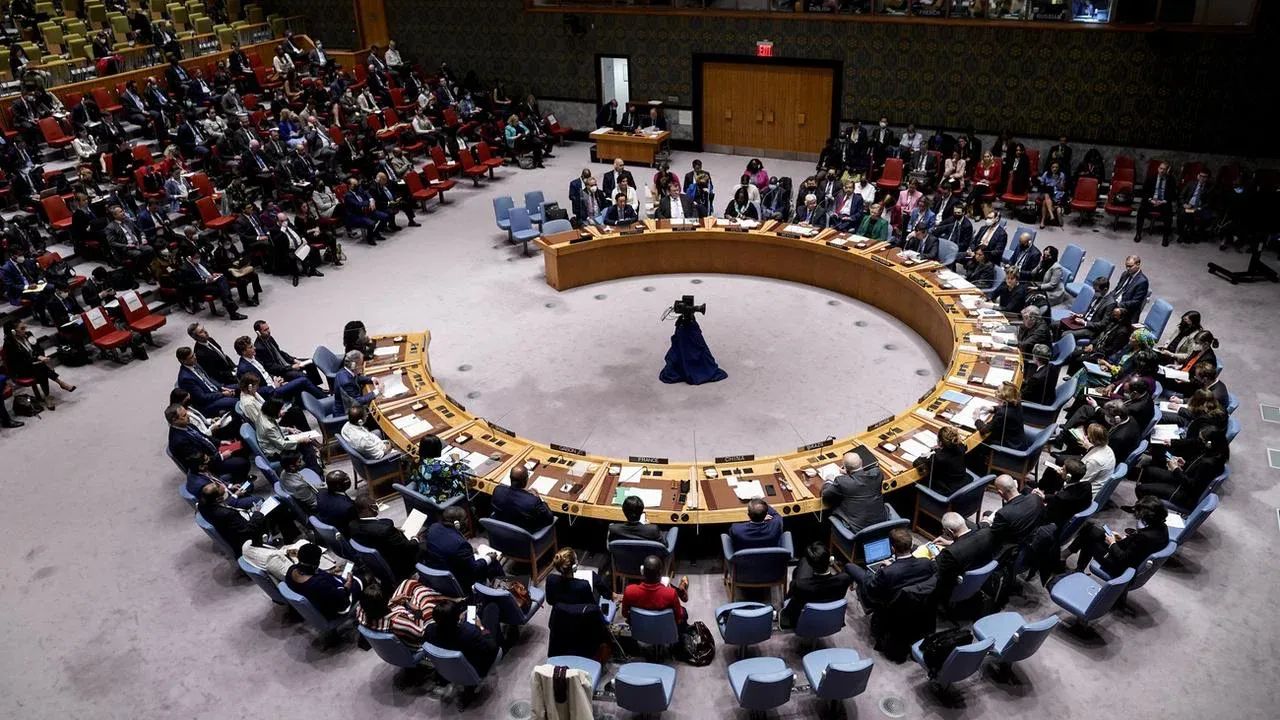
As the United Nations Security Council prepares for its review in October regarding the extension of the MINURSO mandate in Western Sahara for another year, Morocco is showcasing a sense of confidence. A joint statement made on September 16 between Morocco, the United States, and Israel has provided reassurance to Rabat concerning the stances of these two allies on this critical issue. The statement emphasizes that both the United States and Israel reaffirm their recognition of Morocco's sovereignty over the entirety of Western Sahara, alongside their support for Morocco's autonomy proposal, which is deemed serious, credible, and realistic. This proposal is positioned as the sole foundation for achieving a just and lasting solution to the territorial dispute.
Furthermore, the two nations articulated that any alternative route would merely prolong the status quo and is unacceptable. They highlighted that this urgent solution would not only foster peace in the region but also enhance prosperity and increased integration across the entire African continent.
Support from Key Allies Bolsters Morocco's Position
The reaffirmed support from Washington and Tel Aviv for Morocco's claim over Western Sahara was preceded by significant visits by Foreign Minister Nasser Bourita to Denmark and Greece on September 4 and 7, respectively. Both Denmark and Greece, as non-permanent members of the Security Council, expressed strong backing for Morocco's autonomy plan concerning Western Sahara. The current composition of the UN Security Council reinforces Morocco's position. Notably, Colombia, under former President Gustavo Petro, which previously acted as a spokesperson for Polisario interests within the Council, has severed its ties with the movement led by Brahim Ghali following Algeria's mandate expiration on December 31, 2025.
Additionally, countries such as Bahrain, Liberia, the Democratic Republic of the Congo, Panama, and Somalia recognize Morocco's sovereignty over Western Sahara. The list of non-permanent members also includes Pakistan, which abstained from voting on resolution 2797 on October 31, 2025, thereby affirming the precedence of Morocco's autonomy initiative. Despite this abstention, the advancement of relations between Rabat and Islamabad continues, with Nasser Bourita having a telephone conversation on April 8 with Pakistan's Foreign Minister Mohammad Ishaq Dar.
Looking ahead to the October deadline, a source close to the situation expressed that this will be an opportunity to solidify the efforts made by Morocco and its allies over the past year. With support from its partners, Rabat must advocate for the implementation of a strategic review of the MINURSO mandate in line with resolution 2797. The first stage of this review was achieved during two meetings held in April by the Council's fifteen members, and it is essential to continue this momentum, especially given the current favorable international context.
In a related note, UN Secretary-General Antonio Guterres raised concerns in an August report regarding the future of MINURSO in the absence of a ceasefire. He stated that peacekeeping operations should only be deployed in the presence of a peace agreement or at least a robust ceasefire, underlining that peace cannot be maintained where there is no peace to uphold. Meanwhile, strategic dialogue with permanent Security Council members Russia and China is progressing positively. This week, Moscow hosted the inaugural session of a diplomatic committee between Morocco and Russia, and similar to last year, the abstentions from Moscow and Beijing are expected to serve Morocco's interests.
As the October review approaches, Morocco can also rely on the support of France and the United Kingdom, both of which hold veto power within the Security Council. France recognized Morocco's sovereignty over Western Sahara in July 2024, while the UK has supported Morocco's autonomy plan since June 2025.
As reported by yabiladi.com.