
Morocco's Public Demands Versus Private Actions
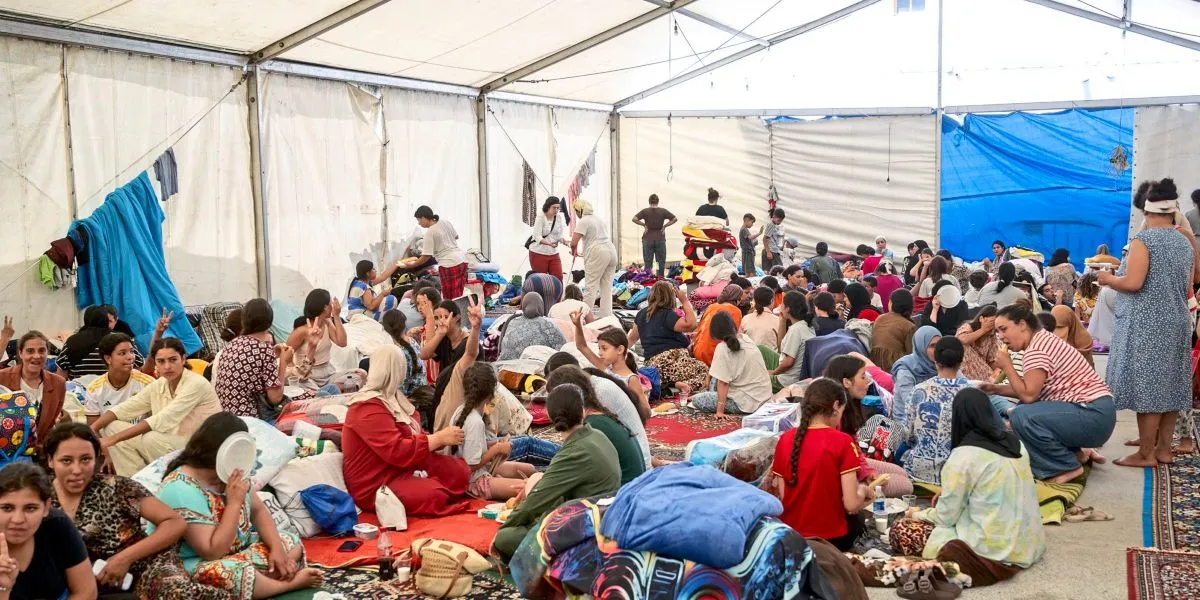
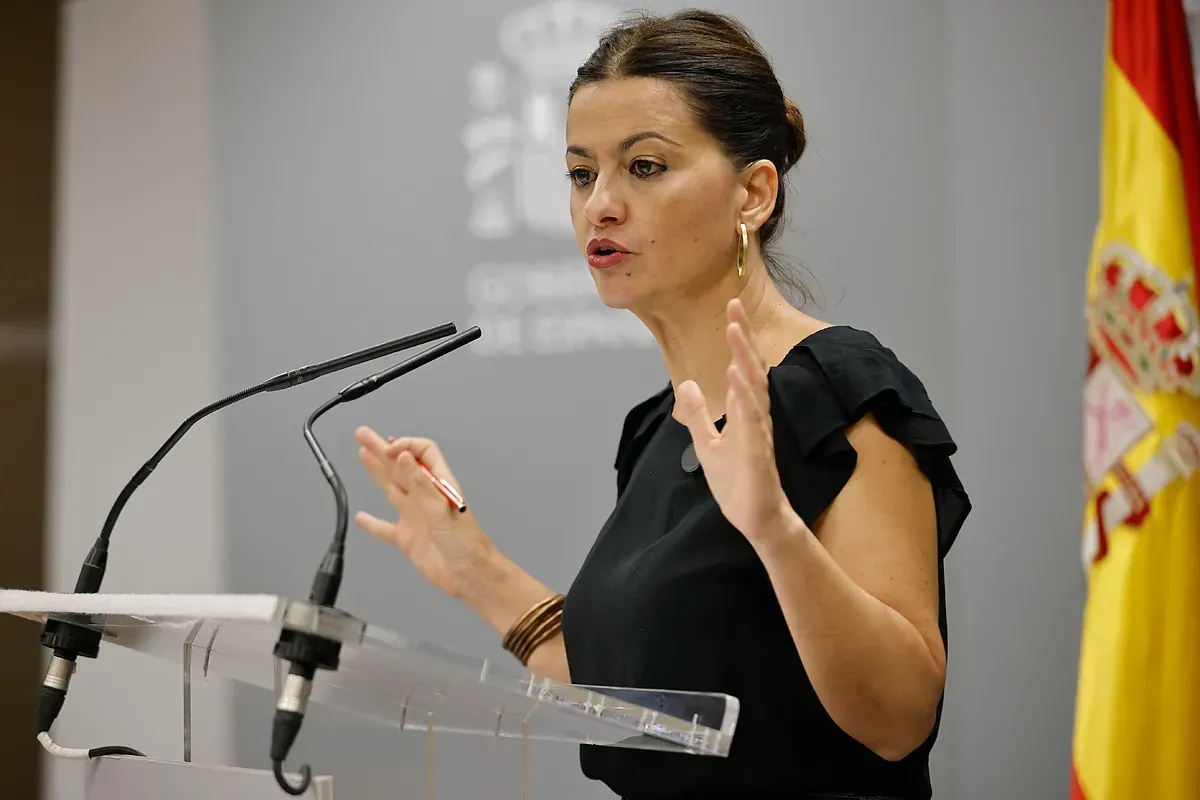
Morocco is currently caught in a web of contradictions, publicly demanding the return of Moroccan minors currently in Spain's Ceuta enclave while failing to provide the necessary administrative support for these repatriations. This situation emerged following a significant influx of unaccompanied minors into Ceuta nearly a month ago. Sira Rego, the Spanish Minister for Youth and Childhood, disclosed that Morocco is withholding 600 case files of unaccompanied foreign minors who arrived before July 30. According to the child prosecutor, the Moroccan authorities have not responded to the files sent by Spain, which detail the familial situations of these children and adolescents.
Sources within Rego's ministry have acknowledged that cooperation between Spain and Morocco has been challenging, at least up until now. The term "complexity" was employed by Rego to characterize the assistance—or lack thereof—provided by the Moroccan kingdom. Currently, Spain has not begun sending the files of the 1,500 children and adolescents who arrived on July 30 and 31, as they are still in the process of being processed. Rego explained that they are finalizing the preliminary phase of affiliation and registration due to the overwhelming situation.
The Escalating Crisis and Changing Demographics
The outlook for repatriation remains uncertain. There are growing concerns surrounding the evolving migrant profile, which now includes a significant number of girls—700 in total, nearly half of the newcomers—as well as many minors under the age of 13. This issue extends beyond Morocco and reflects a broader crisis affecting Spain's relations with several Sub-Saharan countries. The 2025 report from the Spanish Public Prosecutor’s Office highlighted that, as of December 31, 2024, there were 16,041 registered unaccompanied foreign minors, among whom 4,393 were from Morocco, followed by Senegal, Mali, Ukraine, Algeria, and Gambia. Despite these alarming figures, the report noted that only eight minors had been repatriated, all from countries outside of Morocco.
Further complicating matters, the Moroccan Minister of Justice, Abdellatif Ouahbi, has indicated that Morocco will pursue the repatriation of its children through legal and political channels. However, Spanish law mandates that the circumstances of each case must be thoroughly examined before any repatriation can occur. According to the Spanish Foreigners Law, repatriation should be conducted based on the best interests of the child, either through family reunification or by placing the minors in the care of child protection services when conditions allow for proper guardianship.
Spirited discussions are taking place among Spain's regional governments, with 14 autonomous communities, including eight governed by the Popular Party (PP) and Canary Islands, showing support for the allocation of 25 million euros for the reception of children who arrived during the mass influx on July 30. However, regions such as Castilla y León, Extremadura, and Aragón opted out of the meeting and formally rejected the government's assistance. These regions also expressed their opposition to accommodating the minors should a distribution across the mainland be proposed.
Rego emphasized that the priority remains to return the children to their families in Morocco, yet in many instances, this is not feasible due to the inability to locate parents, unclear family ties, or because the children are living on the streets. Additionally, the Moroccan authorities often refuse to accept these minors. As a solution, Rego suggested that autonomous communities take responsibility for the minors, with plans for 500 girls to be placed in private NGO facilities, where identifications and interviews can be conducted. She also proposed two alternatives: mandating accommodation through a royal decree or allowing a portion of the children to be voluntarily taken in by Spanish families. Despite the push from PP regions to explore the option of returning the minors to Morocco first, solidarity was expressed by regions such as Catalonia and the Basque Country, although they did not commit to accepting any children.
As reported by elmundo.es.