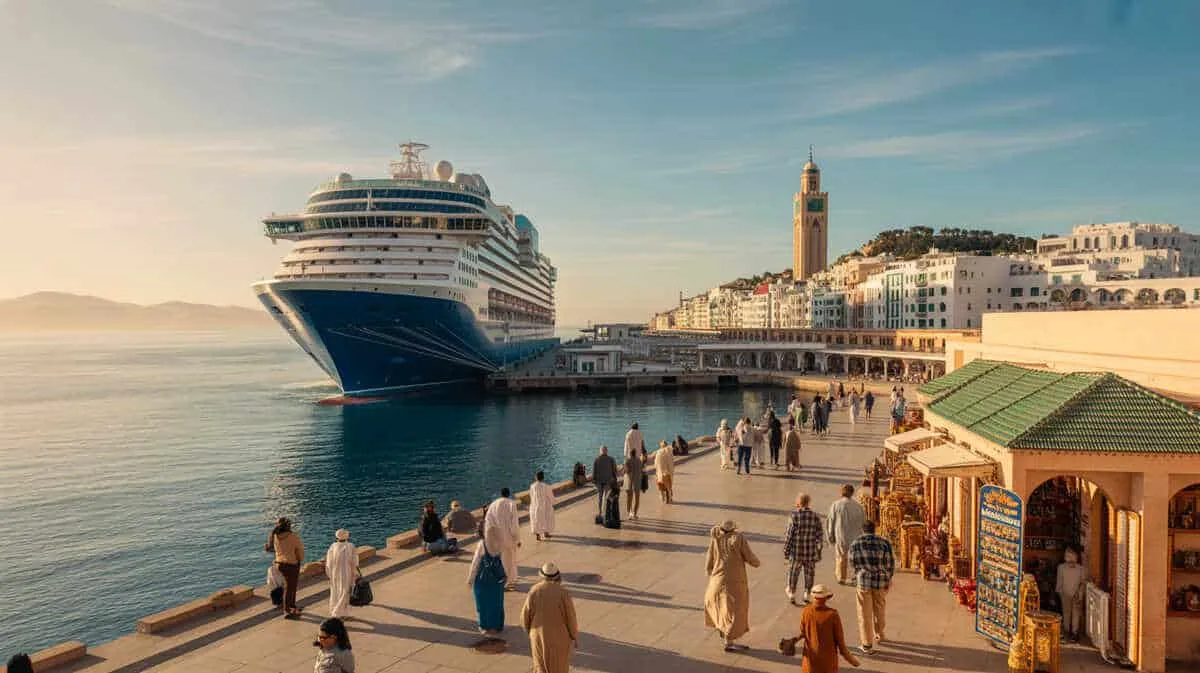

Morocco is strategically enhancing its cruise tourism sector as key ports such as Casablanca, Tangier, and Agadir prepare to attract a growing number of European tourists. With significant investments in infrastructure and an emphasis on cultural experiences, the nation aims to convert brief cruise visits into substantial economic benefits. The government recognizes that by positioning Morocco as a vital link between Europe, Africa, and major maritime routes, it can elevate its status as a competitive destination on European cruise itineraries.
Central to this ambitious plan is the Casablanca maritime terminal, which has become the focal point of Morocco's cruise tourism strategy. Officially inaugurated in September 2025, this modern facility has already facilitated a considerable influx of international cruise ships and tens of thousands of passengers. Visitors arriving in Casablanca are greeted with a rich array of attractions, including the awe-inspiring Hassan II Mosque, the city's renowned Art Deco architecture, and the historic Medina, which offers a vibrant glimpse into Moroccan culture. Furthermore, Casablanca provides easy access to nearby cities like Rabat and El Jadida, expanding the options for organized excursions that can potentially lengthen tourist stays and enhance local economic contributions.
Meanwhile, Tangier is emerging as a significant asset in Morocco's cruise tourism development, benefiting from its strategic location at the nexus of the Atlantic Ocean and the Mediterranean Sea. This proximity to Europe, particularly Spain, positions Tangier as a natural stop on cruise routes connecting diverse destinations. The city's historical charm, characterized by its old town and unique neighborhoods influenced by various cultures, along with accessible excursions to northern Morocco's treasures such as Tetouan and Chefchaouen, enhances its appeal to cruise passengers. Efforts to improve port facilities further bolster Tangier's status as an essential cruise destination, promising increased activity and stronger passenger connections in the coming years.
Agadir offers a contrasting yet complementary aspect to Morocco's cruise tourism strategy, merging coastal leisure with inland cultural exploration. Known for its stunning beaches and warm climate, Agadir attracts travelers looking for sun-soaked experiences alongside traditional Moroccan adventures. Excursions to nearby towns like Taroudant and Taghazout provide cruise passengers with an opportunity to engage with local culture and enhance their overall experience. As Agadir continues to grow in prominence within North African maritime tourism, it faces the challenge of converting fleeting visits into deeper connections with local businesses and communities.
Overall, Morocco's cruise tourism is poised for growth, particularly among European travelers, who represent a crucial market segment. Nations such as France and Spain are anticipated to significantly contribute to this expansion due to their geographical proximity and established travel patterns. The United Kingdom and Germany also present substantial opportunities, with their travelers showing a keen interest in cultural experiences and warm-weather getaways. Emerging markets like India further illustrate Morocco's potential to attract a broader range of international tourists.
As Morocco seeks to maximize the economic impact of cruise tourism, the focus is shifting from merely increasing the number of cruise ship arrivals to fostering genuine economic benefits from each visitor. This involves creating well-designed shore excursion programs, providing multilingual guides, and ensuring efficient transport systems. The country's approach emphasizes sustainable growth, balancing the influx of visitors with the preservation of cultural sites and the promotion of responsible tourism practices.
In conclusion, Morocco's ambitions in cruise tourism represent a transformative opportunity to enhance its position in the European maritime travel landscape. With its diverse offerings ranging from urban heritage to breathtaking coastal scenery, the Moroccan ports of Casablanca, Tangier, and Agadir are making significant strides to attract global cruise operators and thousands of European tourists annually. The future of Morocco's cruise tourism depends on crafting enriching travel experiences that foster meaningful connections between visitors and local communities, ultimately contributing to a vibrant and sustainable economy.
As reported by travelandtourworld.com.