
Morocco's Data Center Expansion: The Power Dilemma
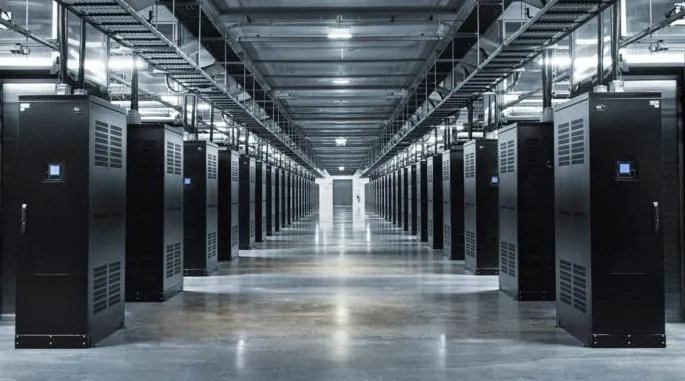
Morocco is experiencing a significant surge in investments directed towards data centers and advanced artificial intelligence infrastructure, raising critical questions regarding the sustainability of power supply to support these ambitious projects. With billions of dirhams allocated and substantial megawatt capacities proposed, the pressing concern remains: from where will this electricity be sourced? The Igoudar Numérique green data center campus located in Dakhla is aiming for an impressive capacity of 500 megawatts, while a facility focused on AI in Nouaceur is set to achieve 36 megawatts by the end of 2027, bolstered by a substantial investment of 12 billion dirhams. Additionally, tech giant Oracle has begun operations in Casablanca with plans for a second cloud region in Settat, further amplifying the demand for energy in the region.
According to the International Energy Agency, conventional data centers typically consume between 10 to 25 megawatts, while large AI-centric facilities can demand over 100 megawatts. When fully operational, the combined 536 megawatts expected from Morocco's leading projects would result in an annual consumption of approximately 4.7 terawatt-hours, accounting for nearly 10% of the nation's total electricity needs, which were recorded at around 49 terawatt-hours in 2025. In response to this burgeoning energy requirement, Morocco is preparing an extensive expansion of its power supply capabilities. The national electricity utility, ONEE, has laid out plans to introduce 11.6 gigawatts of new renewable energy capacity and an additional 2.6 gigawatts of storage from 2026 to 2030, as part of a broader investment initiative amounting to 177 billion dirhams. However, these new energy resources will compete with other sectors, including industry, desalination, electric mobility, and green hydrogen projects, alongside the burgeoning data center demand.
Learning from the experiences of other nations could be beneficial for Morocco as it navigates this energy landscape. For instance, Spain has mandated that new data centers with a capacity exceeding one megawatt must source at least 80% of their hourly energy consumption from renewable sources generated during the same hour, ensuring that each additional megawatt of demand corresponds with a new renewable energy capacity. Similarly, Ireland, where data centers currently account for 22% of the national electricity demand, has implemented analogous regulations. Morocco has a unique opportunity to establish similar policies preemptively, addressing potential energy challenges before its data center sector expands to a scale that strains the grid, a situation that Spain and Ireland encountered only after their infrastructures were compromised.
As reported by northafricapost.com.