
Rising Demand for Desert Expeditions in Morocco
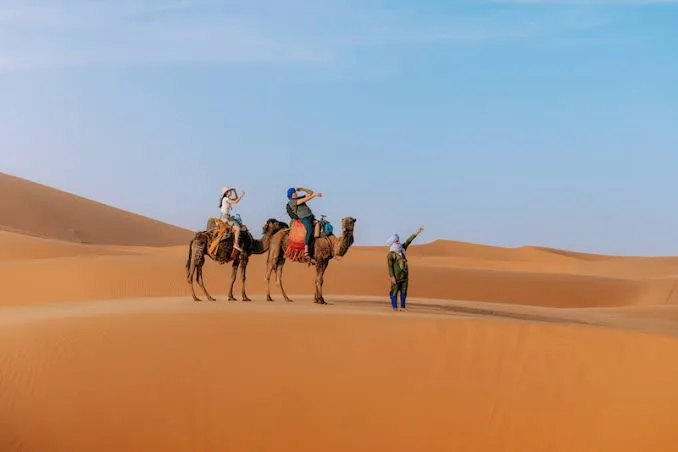
As the countdown to the 2030 FIFA World Cup begins, Morocco is experiencing an unprecedented surge in demand for private guided desert expeditions and immersive cultural tours. This growth is largely attributed to the ongoing development of the country's tourism infrastructure, which is making it easier for international visitors to explore the majestic Sahara Desert. Tour operators, such as Morocco Countryside Tours, have noted a significant uptick in interest for multi-day desert adventures led by knowledgeable native Berber guides. This trend signifies a shift in traveler preferences, moving beyond the traditional coastal routes and imperial city experiences to embrace the rich history and stunning landscapes of Morocco's interior regions.
In 2024, Morocco's tourism sector reached a record-breaking 17.4 million visitors, reflecting a remarkable 20 percent increase from the previous year, according to statistics released by the Ministry of Tourism. The Moroccan government has ambitious plans to increase the number of annual foreign visitors to 35 million by 2030, a goal that is closely linked to extensive infrastructure investments. These enhancements include the construction of new airport terminals in major cities like Casablanca and Marrakech, expanded rail connections through the Al Boraq network, and a substantial hotel development program estimated at USD 4 billion. The National Tourist Office reported a tourism revenue of approximately USD 10.5 billion in 2024, highlighting the rising visitor numbers and increased spending per visitor.
Exploring the Sahara: A Cultural Journey
Said, the founder and head guide of Morocco Countryside Tours, emphasizes that interest in private desert experiences has evolved significantly. Travelers are now opting for comprehensive multi-day itineraries that seamlessly blend the stunning Erg Chebbi sand dunes, the majestic Atlas Mountains, and historic kasbah routes. The company offers a diverse range of private guided tours, departing from key cities including Fes, Marrakech, Casablanca, Tangier, Agadir, and Erg Chebbi, with itineraries spanning from two to seventeen days. Each journey is enriched by the presence of Berber guides who share invaluable historical and cultural insights at various archaeological sites, mountain passes, and desert camps. The expansion of departure cities to include Agadir and Casablanca over the past two years has been a direct response to the growing influx of travelers arriving through these international gateways.
In preparation for the 2030 World Cup, Morocco is also enhancing its road infrastructure, linking southern regions to the national highway network, which is anticipated to improve access to desert gateway towns like Merzouga and Zagora. The national tourist office has initiated targeted marketing campaigns aimed at promoting the Sahara and pre-Saharan regions to international audiences, particularly in North America and Asia. Notably, visitor arrivals from the United States alone saw a remarkable increase of approximately 35 percent in 2024 compared to the previous year. The ongoing construction of new terminals at Casablanca’s Mohammed V International Airport and Marrakech Menara Airport is set to boost airlift capacity for long-haul flights into southern Morocco.
The synergy between improved infrastructure and heightened international interest in Morocco’s interior is expected to catalyze further growth in multi-region travel itineraries that connect Saharan destinations with coastal and mountainous locales. Morocco's appeal as a year-round destination, characterized by the mild winter temperatures of the desert south and the cooler summer conditions along the Atlantic coast, allows the Sahara tourism sector to thrive throughout all four seasons. The expansion of highway and rail links connecting coastal areas to the interior has made it increasingly feasible for travelers to enjoy a blend of desert experiences alongside visits to iconic imperial cities such as Fes and Marrakech.
The rising enthusiasm for Berber-led cultural tourism is indicative of a broader global trend where travelers seek authentic experiences that foster direct engagement with local guides and communities. Private tour operators offering customized small-group or individual itineraries are witnessing sustained demand, as visitors increasingly prefer flexible travel schedules and personalized routes over conventional fixed-group tours. According to Morocco’s tourism authorities, the Sahara and pre-Saharan regions are emerging as pivotal areas within the country’s cultural tourism segment, supported by the expansion of accommodations and guiding services in regions such as Erg Chebbi and Dades Valley.
As reported by savannahnow.com.