
The Release of Yann Vézilier and Morocco's Diplomatic Influence
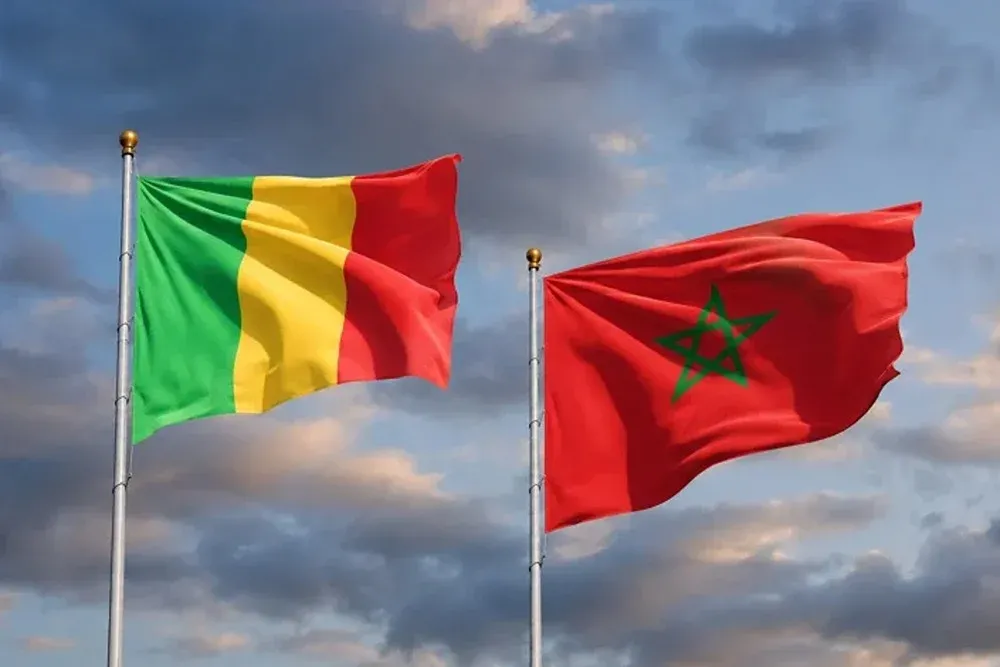
The recent pardon granted by Malian President Assimi Goïta to French agent Yann Vézilier, who had been imprisoned for nearly a year, marks the culmination of several months of intricate diplomatic negotiations. According to reports from Le Monde, Morocco played a pivotal role in the discussions that led to this significant release, thereby reinforcing Rabat's stature as a trustworthy mediator between France and Mali.
Vézilier, an agent of the General Directorate for External Security (DGSE), was detained in Mali since August 2025 and was sentenced to twenty years in prison on June 5 for offenses against state security, particularly for his alleged involvement in an attempt to destabilize the country. However, on August 13, President Goïta granted him a presidential pardon, paving the way for his exit from Malian territory.
Morocco's Central Role in Diplomatic Negotiations
The significance of Morocco's role becomes evident in the negotiations leading up to this decision. The Malian government expressed gratitude in its official statement to a "brotherly country" for its "good offices," identifying Morocco as the key player in facilitating discussions that resulted in the French agent's release. This acknowledgment underscores the unique relationship between Rabat and Bamako, as Morocco has chosen to maintain and enhance its ties with Sahel countries, particularly during a period of profound political and diplomatic transformations. This strategy has enabled Morocco to preserve direct communication channels with Malian authorities.
The situation recalls a similar operation in Burkina Faso, where in December 2024, four DGSE agents were released through Moroccan mediation. Le Monde reported extensively on that operation, detailing Morocco's significant involvement. It was revealed that several attempts had faltered before French authorities sought Morocco's assistance, which had established robust connections in Burkina Faso, owing to long-standing relations and cooperative security efforts between the two nations.
Moreover, it was disclosed that Burkinabe officials had received training in Morocco, fostering personal relationships among security interlocutors from both countries. These established networks allowed Morocco to create an effective communication channel during a time when relations between Paris and Ouagadougou were severely strained.
Morocco has nurtured a close relationship with Bamako, founded on political, economic, religious, and security ties, which now constitute a valuable diplomatic asset. This proximity enables Morocco to engage in sensitive matters where trust is essential for success. In the case of Vézilier, Bamako's acknowledgment of Morocco's "good offices" reflects the particular nature of the relationship between the two nations and the level of trust Morocco enjoys with Malian authorities.
As reported by fr.hespress.com.