
Morocco's Economic Landscape and Employment Challenges
Morocco has successfully established itself as a leading export-oriented economy within the region, demonstrating a remarkable ability to attract global manufacturing investments and maintain macroeconomic stability. Despite this commendable growth, the benefits have not permeated all layers of society, resulting in persistently high youth unemployment rates and a significant level of informality within the labor market. The crux of this issue lies in the rigid labor market structures that prioritize the protection of existing workers while inadvertently stifling opportunities for newcomers. As Morocco progresses with its industrial strategy, the focus has shifted from merely achieving growth to ensuring that this growth is inclusive and equitable. A redefined approach, emphasizing social dialogue and targeted reforms, will be crucial in aligning competitiveness with the creation of fair job opportunities for all Moroccans.
Pathways to Inclusive Growth and Employment in Morocco
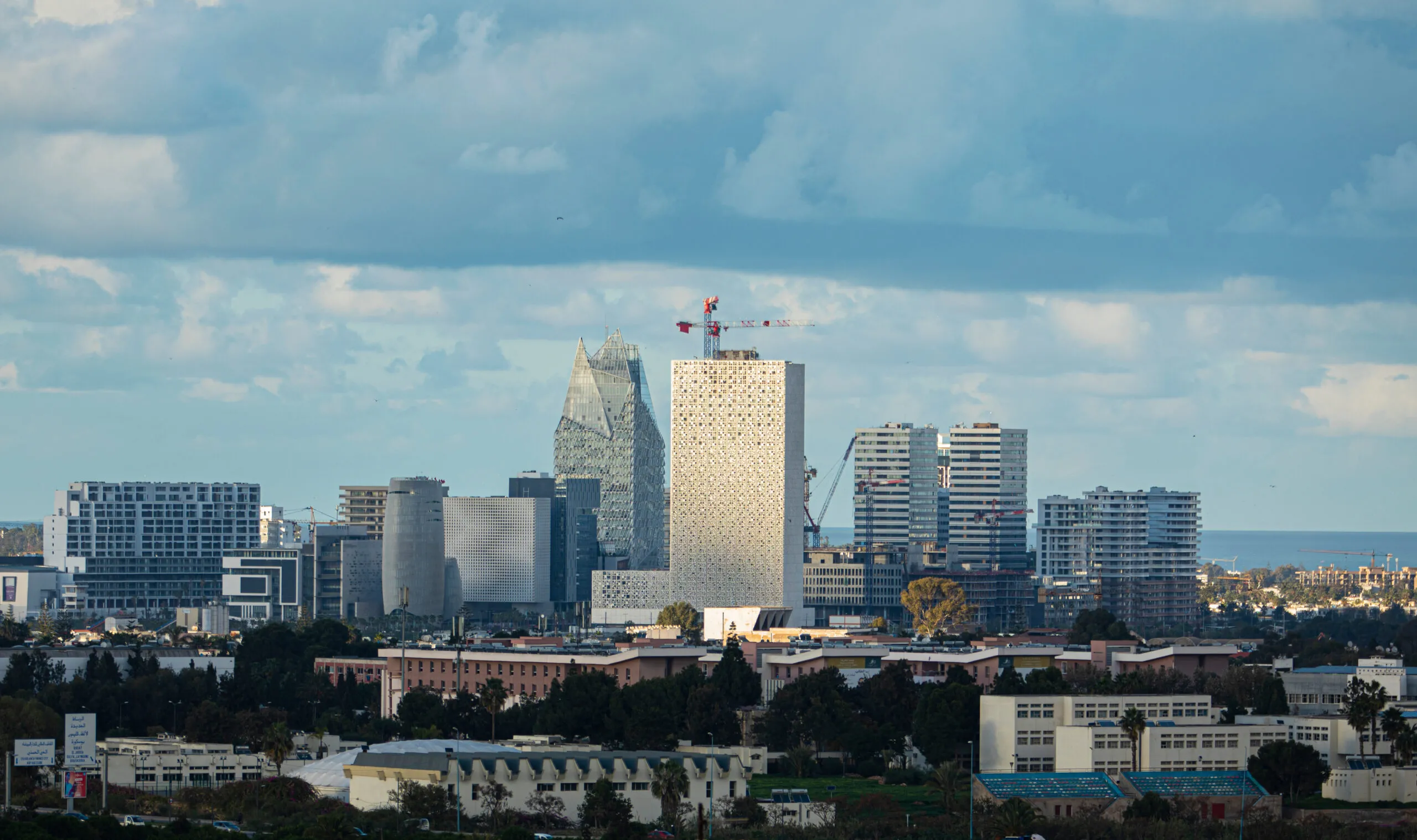
The Kingdom of Morocco has positioned itself as a model economy for Africa and the Middle East, showcasing sustained economic growth, low inflation, and manageable external debt levels, especially when compared to neighboring countries like Egypt and Tunisia. This success is largely attributed to Morocco's rich resource base and agricultural sector, but it is the industrial strategy focused on export-oriented manufacturing that has driven its transformation. By creating free zones that foster the development of industrial clusters, Morocco has attracted substantial investments in sectors such as automobile manufacturing, aerospace, textiles, and electronics, thereby embedding itself in global manufacturing supply chains.
However, policymakers face the pressing challenge of ensuring that the fruits of economic success are equitably distributed across society. While poverty has seen a decline, income inequality continues to widen, particularly between urban and rural populations. The burgeoning wealth is largely concentrated in coastal urban areas, leaving residents in the interior and rural regions at a disadvantage. Furthermore, while job creation in industry and manufacturing has been on the rise, it remains overshadowed by the growth in the services and construction sectors. Youth unemployment, a chronic issue, particularly affects urban areas and university graduates, exacerbating the need for effective policy interventions.
To tackle these pressing labor market issues and income disparity, Moroccan authorities have recently entered into a significant $500 million financing agreement with the World Bank. This funding aims to support the implementation of Morocco's Jobs Roadmap, which is designed to enhance job creation through the promotion of small and medium enterprises (SMEs) and businesses focused on green energy and pharmaceuticals. This will be achieved through grants, improved access to finance, and necessary reforms in the business and investment climate. Additionally, the program seeks to enhance existing active labor market initiatives, improve childcare accessibility, and provide comprehensive skills training.
The efficacy of this approach in addressing job creation challenges remains uncertain. Like many nations in the Middle East and North Africa, Morocco has struggled to effectively reduce youth unemployment through investments in training, job search services, and business subsidies. Although certain programs have shown promise and provided tangible benefits to participants, the overall impact of public spending on employment and training has been marginal. Despite Morocco's strides toward industrialization, the labor market outcomes for the majority of its citizens reflect conditions reminiscent of the early 2000s.
At the heart of Morocco's policy dilemma are its labor market regulations. While labor unions and laws are crucial for safeguarding workers' rights, overly protective regulations can distort incentives for employers, employees, and job seekers, ultimately undermining their intended objectives. These regulations primarily benefit established workers, creating barriers for new entrants in a young labor force plagued by high unemployment rates and prolonged job searches. The complexity of hiring and firing regulations leads formal sector employers to prefer capital-intensive investments over hiring untested new entrants, while small firms often find compliance costs prohibitive, resulting in a thriving informal sector that usually offers low-quality jobs.
To navigate these challenges, Morocco must find a new equilibrium between protecting workers' rights and enabling firms to create jobs while remaining competitive. Achieving this balance will necessitate a structured process of social dialogue involving unions, employers, government, and civil society, aimed at negotiating solutions that address the essential needs of all economic stakeholders. This collaborative dialogue can help Morocco transcend entrenched positions and pursue pragmatic compromises that enhance opportunities, especially for those currently excluded from the formal economy. Only through such reforms can Morocco unlock the full potential of its industrialization efforts and foster an environment conducive to job creation and sustainable growth.
As reported by stimson.org.