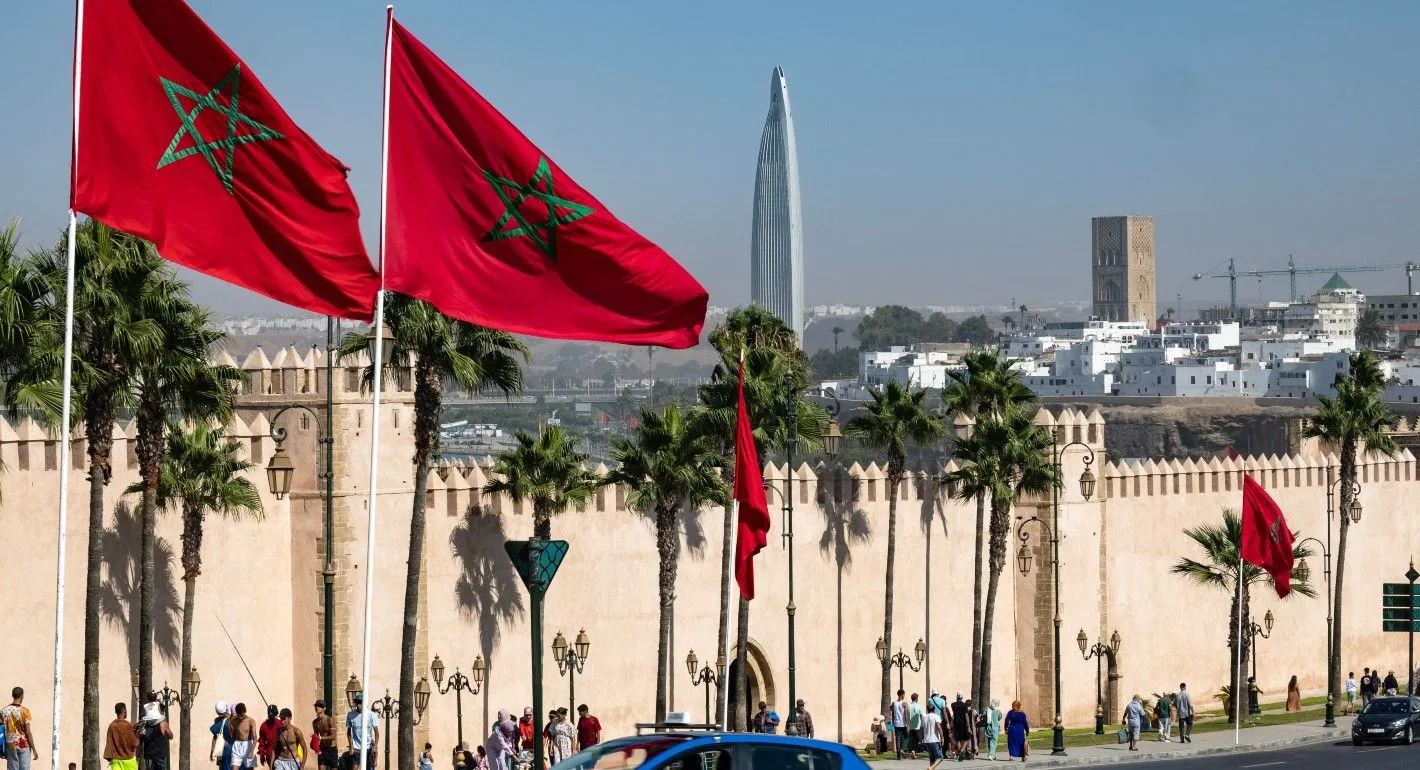

The African Development Bank (AfDB) has projected that Morocco's economy will continue to demonstrate robust performance in 2026, with an anticipated growth rate of 4.2%. This positive outlook is primarily driven by a resurgence in domestic consumption and sustained significant investments in infrastructure, industry, and tourism. Morocco is making strides to solidify its position as an emerging economic and industrial power within Africa, even amid global economic disruptions and escalating geopolitical tensions.
According to the AfDB's annual report titled "Economic Outlook for Africa 2026," released during the annual meetings in Brazzaville, the expected growth is fundamentally anchored in the revitalization of domestic demand and an increase in household consumption. Additionally, public and private investments in large-scale infrastructure projects, specifically in transportation, logistics, energy, industry, and ports, are expected to play a crucial role in this growth trajectory.
This forecast coincides with Morocco's ongoing acceleration of numerous significant economic initiatives, particularly in preparation for co-hosting the 2030 World Cup. Strategic projects are also underway, including the expansion of high-speed train networks, development of port infrastructures, and enhancements in industrial investments, particularly in the automotive, aviation, renewable energy, and green hydrogen sectors.
The report indicates that sectors such as agriculture, manufacturing, construction, and tourism will remain the primary engines of Morocco's economic growth in the coming years. This trend signifies a gradual transformation of the national economy towards a more diversified model capable of absorbing external shocks effectively.
The AfDB's focus on these sectors reflects Morocco's increasing ambition to establish itself as a regional industrial and logistical hub linking Africa with Europe and the Atlantic markets. This is particularly relevant following the remarkable surge in Moroccan industrial exports over recent years, predominantly driven by the automotive sector, which has become the leading export sector in the kingdom, along with a rise in phosphate exports and related industries, food production, and aviation.
On the financial stability front, the report forecasts that inflation will remain under control, projected to reach 2.4% in 2026, before slightly declining to 2.3% in 2027. This expectation underscores the Moroccan monetary and financial authorities' continued capacity to manage inflationary pressures despite the prevailing unstable global context. This point is particularly significant given the substantial increases in food and energy prices witnessed in recent years due to the repercussions of the conflict in Ukraine, tensions in the Middle East, and disruptions in international maritime trade, all of which have directly impacted numerous energy-importing and raw material-dependent economies.
However, the AfDB also cautioned against certain vulnerabilities related to external and fiscal balances, predicting that the current account deficit will expand to 3.5% of GDP in 2026, before slightly decreasing to 3.4% in 2027. At the same time, the budget deficit is expected to continue its downward trend, settling at 3.7% of GDP in 2026 and 3.2% in the following year. The persistence of the external deficit reflects the pressures associated with rising imports of energy, industrial equipment, and raw materials, while the need for substantial investments to finance major projects continues unabated. Nevertheless, international financial institutions still regard Morocco as one of the most resilient economies in Africa concerning macroeconomic stability compared to several other countries in the region.
The report also highlighted the notable development of African financial markets over the last two decades, indicating that market activity has reached approximately $1.2 trillion, with most of this activity concentrated in a limited number of continental economies, led by Morocco alongside Egypt and South Africa. Morocco's inclusion among the African economies most present in financial markets underscores Casablanca's rising stature as a regional financial center, especially as Moroccan investments in Sub-Saharan Africa expand and the role of Moroccan banks and companies grows in various African markets.
In another context, the AfDB warned about the potential implications of geopolitical disturbances on regional economies, particularly regarding maritime navigation in the Strait of Hormuz. The bank noted that any prolonged disruption in this strategic passage could directly affect regional exports to the Middle East and lead to increased costs for energy and raw materials used in fertilizer production, which would directly impact net oil and energy-importing countries.
These warnings come at a time when the world is witnessing escalating tensions in several international maritime corridors, whether in the Gulf, the Red Sea, or the Eastern Mediterranean, posing additional challenges for economies reliant on maritime trade and energy, including Morocco, which heavily depends on energy imports despite rapid investments in renewable energy.
In conclusion, the AfDB emphasized that enhancing climate risk management and diversifying commercial partners and external markets will be crucial factors in supporting the resilience of the Moroccan economy in the coming years, particularly if these measures are accompanied by favorable agricultural seasons and continued public and private investments in major productive sectors.
As reported by assahifa.com.