
Navigating Morocco's Economic Challenges Post-Election
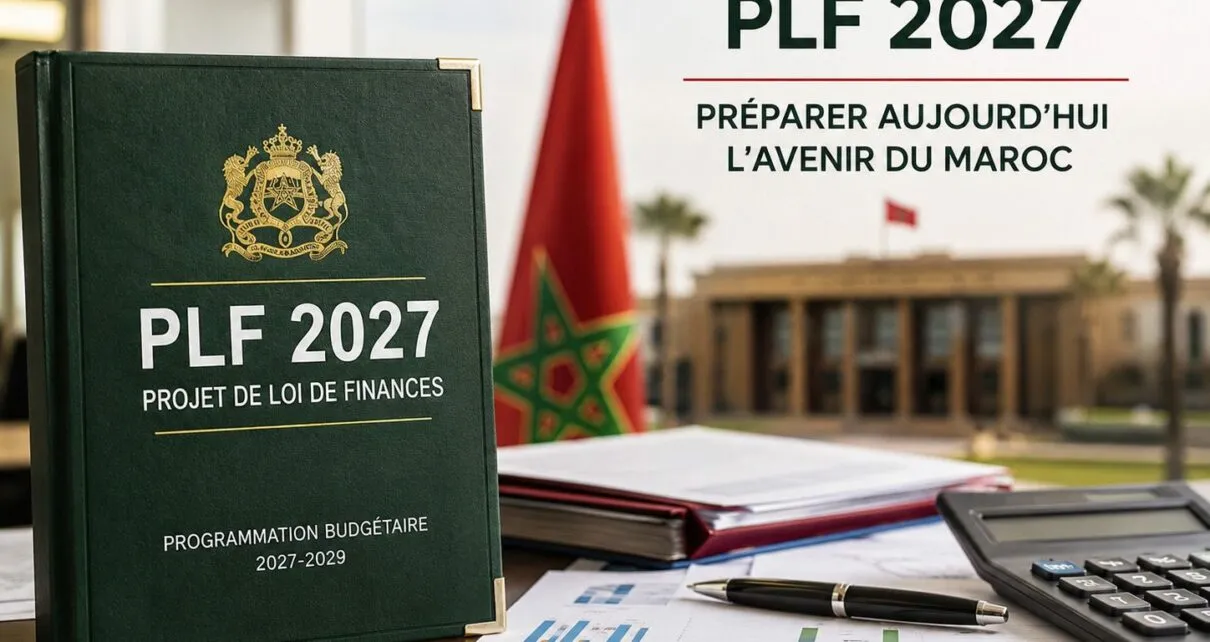
The post-election landscape in Morocco signifies a critical juncture for the nation's economic policies, as the government grapples with various trade-offs that will shape its future. Key areas such as purchasing power, employment, investment, water management, housing, social protection, and overall competitiveness must be harmonized within the constraints of budgetary limits and external economic pressures, especially as the 2027 Finance Bill approaches. Recently, Bank Al-Maghrib maintained its policy rate at 2.25% on September 22, while projecting an average inflation rate of 0.7% for 2026 and a slight increase to 1.5% in 2027. Despite these forecasts, the data reveals a concerning rise in prices, with a 0.8% increase reported in August alone, including a 0.9% jump in food prices, which continues to exert significant pressure on household purchasing power.
Social policy has become an integral component of public expenditure, with direct aid reaching nearly 3.9 million households, encompassing more than 12.5 million individuals. Consultant Oussama Ouassini suggests that the 2027 Finance Bill ought to prioritize continuity while ensuring there is flexibility for targeted interventions. However, any potential changes to the income tax scale remain uncertain until the official presentation of the bill.
Labor Market and External Economic Factors
The labor market presents a formidable challenge as the active population reached 11.764 million in the second quarter, reflecting an increase of 147,000. Nonetheless, the unemployment rate remains a concern, with a strict measure standing at 9.5% and a broader measure, which includes those who have stopped looking for work, at 14.7%. Ouassini emphasizes the critical nature of energy and water costs, which significantly impact various industries. Water scarcity, in particular, poses a substantial challenge to agriculture, industry, and investment decisions, as the 2026-2027 farming season commences under ongoing constraints. Fragmented marketing channels and heavy intermediation have resulted in price declines not being passed on to consumers effectively, further complicating the economic landscape.
In terms of housing, direct aid programs have generated over 218,000 applications, with more than 105,000 beneficiaries identified as of June 3. However, the tangible impact of these programs is contingent upon the availability of property and access to bank credit, both of which are currently under pressure. Moreover, external economic balances are imposing restrictions on the overall economic environment. By the end of July, imports of goods and services surged by 16.1%, in contrast to a more modest 10.9% growth for exports. Fortunately, tourism has emerged as a stabilizing factor, showing a 4.5% increase in arrivals from January to August, while foreign direct investment has experienced a remarkable growth of 58.5%. These interconnected issues underscore the complexity of Morocco's economic challenges, with Ouassini asserting that sustainable growth cannot rely solely on a few isolated sectors.
As reported by northafricapost.com.