

Economic Growth and Financial Empowerment in Morocco
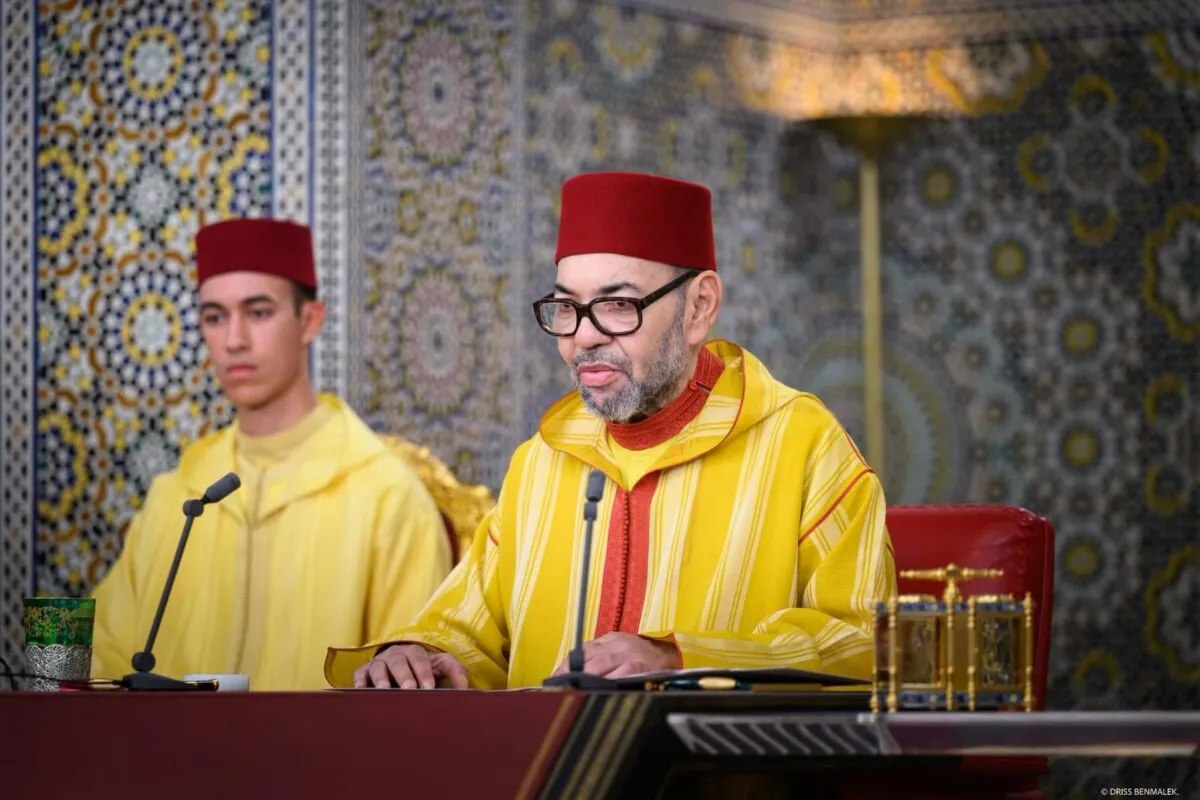
On the occasion of the 27th anniversary of his ascension to the Throne, King Mohammed VI delivered an assertive economic assessment, highlighting Morocco's remarkable growth rate of 4.9%, its position as Africa's leading automotive exporter, record tourism numbers, and enhanced industrial sovereignty. The Monarch emphasized the critical role of stability as a "key variable" in national development, urging the financial sector to support the rise of the "emerging Morocco".
In his Throne speech, the Sovereign placed significant importance on the financial sector, underscoring its vital contribution to Morocco's evolving landscape. The message was unequivocal: finance must accompany investment and major projects while expanding access to both banking and non-banking financing, prioritizing small and medium-sized enterprises (SMEs), innovation, industrialization, and exports. The King envisions a more open and innovative financial sector capable of effectively mobilizing national savings, particularly institutional savings, and revitalizing financial markets that are expected to play a crucial role in this transformation.
This vision lays out a roadmap where finance emerges as a major lever for transformation. It calls upon all stakeholders, including banks, institutional investors, and capital markets, to transcend their traditional roles and become active partners in development. The mission is clear: to finance the growing SME, turn innovative ideas into industries, and support territories projecting themselves into the future, while connecting current resources to future ambitions, thus positioning the Kingdom on a path toward sustainable and sovereign growth.
Stability and Growth Amid Global Challenges
Reflecting on Morocco's historical context, the Monarch acknowledged the nation’s rich heritage of statehood where institutions play their roles harmoniously. The speech highlighted Morocco's resilience in facing regional and global challenges, notably through the successful management of crises, including floods affecting the Gharb region. As a result of the prevailing security and stability, coupled with institutional efficacy, positive indicators have emerged across various sectors, reinforcing the country’s economic momentum and further safeguarding national sovereignty.
In 2025, Morocco achieved a growth rate of approximately 4.9%, with expectations to maintain or exceed this rate in 2026. The agricultural sector benefited from favorable rainfall and successful harvests, leading to enhanced food and water security. Moreover, Morocco's industrial sector has solidified its status as an attractive hub for investments in automotive, aerospace, renewable energy, and agri-food industries, which now serve as critical pillars of the national production fabric, generating wealth and employment.
Today, Morocco stands as Africa's top automobile exporter, with an annual production capacity nearing one million vehicles. The automotive and aerospace sectors now account for over 40% of the country's total exports, surpassing even the phosphate industry. This growth trajectory is supported by the inauguration of new industrial units and the development of an integrated electric battery sector, showcasing Morocco's ability to anticipate future technological shifts and integrate into strategic production chains.
As Morocco continues to develop ambitious projects aimed at enhancing renewable energy as a cornerstone of energy security, it also embarks on operationalizing its "Green Hydrogen Offer", marking the start of significant megaprojects.
In a world increasingly characterized by protectionism and the need for resilient supply chains, the King emphasized the importance of strengthening national sovereignty and strategic self-sufficiency in industrial development. This is evident in the agri-food and pharmaceutical sectors, which now meet nearly 80% of national needs. Furthermore, the establishment of a defense and cybersecurity industrial base will gradually enhance national defense sovereignty, creating development opportunities and reinforcing Morocco's status as a regional power in these sectors.
As the tourism sector witnessed a historic performance in 2025, welcoming nearly 20 million visitors, the King reiterated the importance of human development initiatives, including the expansion of social protection, to improve living conditions and promote social and spatial justice for all Moroccans.
To support this transformative economic and social dynamic, the mobilization of unprecedented financial resources is essential, primarily sourced from domestic financing. The King called upon the national financial sector to continue supporting investment and major projects while qualitatively widening access to financing for SMEs, innovation, industrialization, and exports. An invigorated financial sector is crucial for accelerating Morocco's emerging development.
With the help of divine guidance, Morocco has established itself as a credible and respected international economic actor, ready to engage in balanced and forward-looking partnerships. These economic and social achievements transcend governmental mandates, resulting from a cumulative virtuous dynamic shaped by strategic orientations that have positioned Morocco for continued development. The Monarch expressed hopes that following the upcoming legislative elections and the emergence of a new government, a new cycle of development would commence, characterized by the preservation of achievements and the pursuit of significant projects and reforms.
As reported by medias24.com.
