
Political Parties Rally Around Social Issues in Upcoming Elections
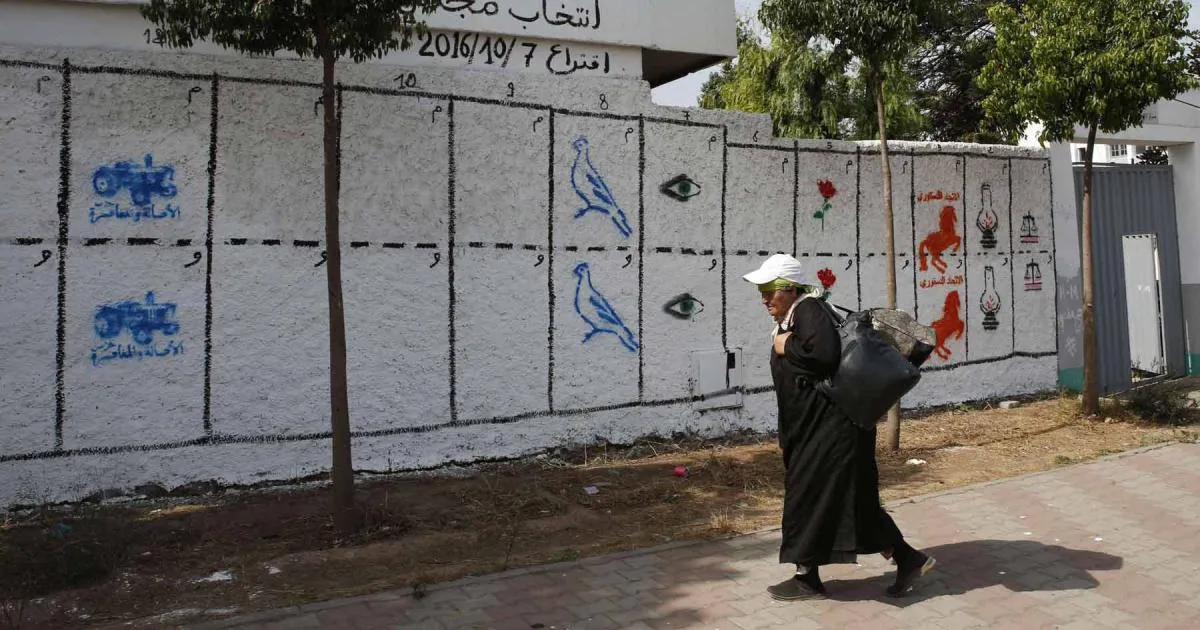
As Morocco prepares for its legislative elections scheduled for September 23, 2023, political parties across the spectrum are intensifying their campaigns by placing social policy at the forefront of their agendas. Key issues such as purchasing power, social protection, healthcare, education, youth employment, and regional inequality are taking center stage as candidates seek to resonate with voters grappling with the challenges of rising living costs, unemployment, and increasing household expenses. The parties are keenly aware that public sentiment is shifting towards demands for improved public services and greater economic security, compelling them to present competing visions on how to address these pressing needs.
In this evolving political landscape, parties are not only adjusting their campaign strategies but also tailoring their messages to reflect the everyday concerns of citizens. The emphasis on social issues is evident in outreach meetings held throughout the kingdom, as parties strive to translate their broad electoral platforms into focused messages that resonate with communities increasingly concerned about the cost of living and the quality of essential services. Despite their diverse political ideologies, there is a notable trend toward a collective acknowledgment that social policy will play a pivotal role in the forthcoming parliamentary term. Consequently, the competition among parties is less about ideological posturing and more about who can credibly promise to enhance living standards for the populace.
Key Party Positions on Social Justice and Economic Development
The Party of Progress and Socialism has emerged as a significant advocate for social justice, emphasizing a more robust role for the state in its electoral platform. The party's commitments include raising the minimum level of social support, prioritizing healthcare, and expanding health coverage, all while aiming to alleviate the financial burdens associated with medical treatments for families. By arguing that public services must play a more significant role in safeguarding citizens against economic pressures, the party seeks to appeal to voters whose purchasing power has been adversely affected by rising costs.
In contrast, the ruling National Rally of Independents (RNI) aims to capitalize on its record of governance, focusing on what it describes as its achievements in building a social state through expanded social protection and reforms in healthcare and education. The RNI intends to position itself as the party capable of completing ongoing reforms, although it faces the challenge of demonstrating to voters that these changes have tangibly improved their quality of life. Similarly, the Istiqlal Party combines its emphasis on national identity with a social justice agenda, pledging to lift one million families out of poverty while also addressing the needs of middle-class households and vulnerable families. Its approach highlights the interplay between economic development and social justice, seeking to present these objectives as mutually reinforcing.
Moreover, the Socialist Union of Popular Forces is leveraging this election to reaffirm its commitment to advocating for social democracy, focusing on universal social protection and better monitoring of social spending. This party aims to cater to younger voters and those who feel that economic reforms have not sufficiently improved social conditions. The Authenticity and Modernity Party (PAM) is also addressing pressing issues such as housing and youth employment, proposing initiatives that support decent housing and encourage entrepreneurship among young people. However, like other parties in the ruling coalition, PAM must balance its role in defending the government's record with the need to present a distinct electoral message.
Lastly, the Popular Movement is centering its campaign around the urban-rural divide, emphasizing rural development and support for marginalized communities. This focus highlights a broader challenge for Morocco: ensuring that improvements in living standards and public services are equitably distributed across urban and rural areas. The convergence of social promises among the various political parties underscores a collective recognition of the electorate's pressing concerns. The upcoming elections will not only serve as a referendum on existing social reforms but also challenge each party to articulate a credible vision for how to achieve meaningful improvements in the lives of ordinary Moroccans.
As reported by middle-east-online.com.