
The ruling coalition in Morocco has emerged victorious in the recent legislative elections, as indicated by preliminary results released on Thursday. However, these elections were marked by a notably low voter turnout and a significant increase in seats for the Islamic opposition, raising questions about the political landscape in the kingdom. The overall participation rate stood at a mere 38% among 16 million registered voters, the lowest since 2007, reflecting the challenges faced by political parties in engaging the electorate, particularly among the youth. This low engagement follows a recent crisis where thousands of young Moroccan migrants rushed to the Spanish enclave of Ceuta, highlighting broader socio-economic frustrations within the youth demographic amidst Morocco's ongoing economic growth and ambitious infrastructure projects in preparation for the 2030 FIFA World Cup, which Morocco will co-host with Spain and Portugal.
The center-right Authenticity and Modernity Party (PAM) secured 97 out of 395 seats in the House of Representatives, while the National Rally of Independents (RNI), which leads the outgoing coalition, came in second with 66 seats. Despite this victory, the PAM fell short of an absolute majority, necessitating the formation of a new coalition with other parties. The next Prime Minister, appointed by the King, will be selected from the PAM ranks, with prominent figures like Fouzi Lekjaa, the current Minister of Budget and president of the Royal Moroccan Football Federation, emerging as potential candidates. Another leading member, Fatima Ezzahra Mansouri, the current Minister of Urban Planning and Mayor of Marrakech, is also in contention to become the first female Prime Minister of Morocco.
The PAM has pledged to achieve an average annual economic growth rate of 5%, maintain inflation at 2%, and create at least one million new jobs during its five-year term. Following PAM and RNI in the election results was the right-wing Istiqlal party, which won 65 seats, while the Islamist opposition party, Justice and Development Party (PJD), increased its representation to 54 seats from just 13 in 2021, partly by focusing its campaign on anti-corruption efforts. PJD leader and former Prime Minister Abdelilah Benkirane claimed that preliminary results indicated the party's lead in most constituencies where counting had concluded, although he later raised concerns about irregularities in some polling stations, to which authorities have yet to respond.
Among the newly elected PJD members is Aziz Henawi, an activist known for his controversial protest actions. His past actions have sparked legal challenges, particularly regarding his remarks about the Jewish community in Morocco. The PJD's campaign centered on issues such as corruption, purchasing power, youth unemployment, and public services, resonating with the sentiments expressed during the mass protests led by Generation Z last year. These protests directly addressed King Mohammed VI and called for the resignation of the outgoing Prime Minister, Aziz Akhannouch of the RNI, with demonstrators demanding improvements in healthcare and education over investments in sports infrastructure.
Morocco has engaged in extensive projects, including stadium construction and high-speed rail systems, while significant social and regional disparities, especially youth unemployment, remain pressing concerns. In a speech following last year's protests, the King acknowledged the existence of a "two-speed" development model in the kingdom. Critics argue that the costs associated with hosting the 2030 World Cup are misaligned with the country's pressing socio-economic needs, particularly regarding inadequate public services and high rural isolation, as highlighted by independent researcher Lamia Elfehaim.
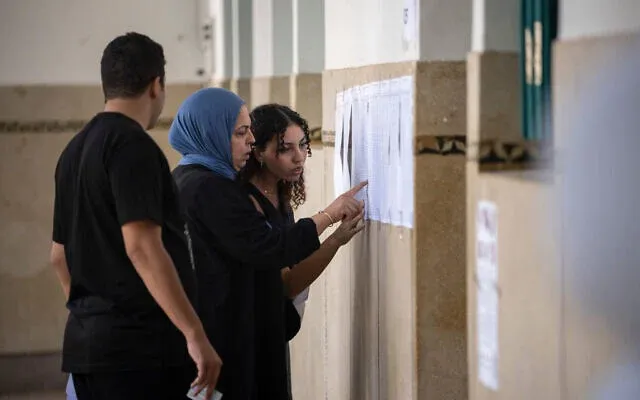
While the recent crisis in Ceuta may not have been central to the electoral campaign, the underlying issues that fueled it certainly shaped public discourse. Many voters expressed cynicism about the political process, with individuals like Majda Bakatir, 59, voicing a complete loss of trust in politicians who seem disconnected from the pressing issues affecting citizens' lives. Conversely, some voters, like Karim Ennaciri, 55, view the electoral process as an opportunity for potential renewal within political parties.
The new Prime Minister will be appointed from the winning PAM party and tasked with forming a coalition government for the next five years, although significant strategic sector decisions will remain under the monarch's authority. The PAM, founded in 2008, aims to serve as a counterbalance to Islamist influences in Moroccan politics, although its founder, Fouad Ali El Himma, distanced himself from leadership during the Arab Spring amidst accusations of striving for political dominance. The PAM has promised economic growth and job creation, rallying popular figures like Fouzi Lekjaa and potentially paving the way for Fatima Ezzahra Mansouri to make history as the first female head of government in Morocco, while the outgoing Prime Minister continues to defend his tenure despite facing scrutiny over potential conflicts of interest.
As reported by fr.timesofisrael.com.