
Moroccan Parliamentary Elections: A Test of Political Confidence
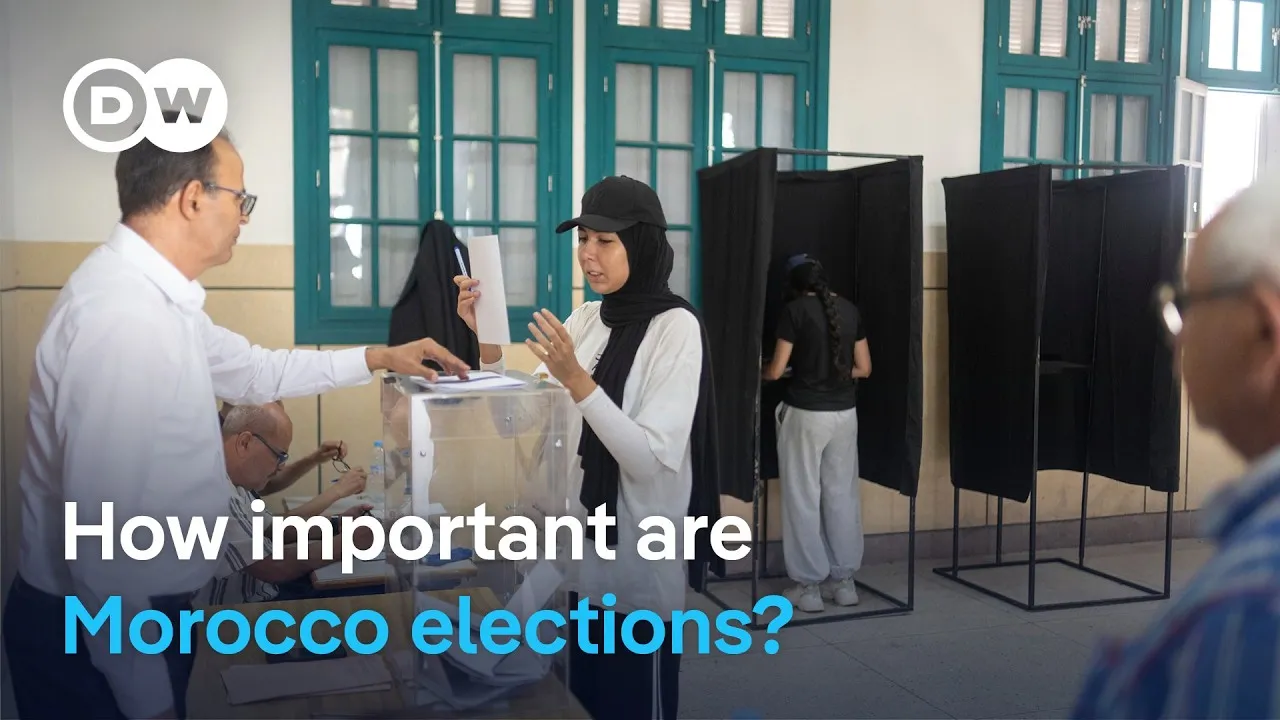
In the context of rising political disillusionment, nearly 16 million Moroccans are set to cast their votes in the parliamentary elections, a critical moment that is anticipated to gauge the public's trust in the political system of the country. With many voters voicing concerns over pressing issues such as unemployment, stagnant wages, and the quality of public services, the scene is set for what could be a pivotal electoral moment. Observers are particularly focused on voter turnout, which is expected to reflect the level of engagement and frustration among the populace regarding the current political climate. The elections are unfolding against a backdrop of increasing skepticism towards traditional political structures, prompting many citizens to question the effectiveness of their elected representatives.
Challenges Faced by Voters in Morocco
As citizens prepare to participate in these elections, the sentiment of disenchantment with politics is palpable. Many voters feel that their voices have been marginalized over the years, leading to a sense of apathy towards the electoral process. This situation is exacerbated by ongoing economic challenges, which have had a direct impact on the everyday lives of Moroccans. As they approach the polls, voters are navigating a complex landscape marked by their desire for change, yet tempered by a pervasive sense of doubt about the potential for real reform. Analysts suggest that the outcome of this election could be crucial not only in shaping Morocco's immediate political landscape but also in influencing the broader dynamics of governance and representation in the region. The implications of these elections extend beyond just political parties; they resonate deeply with the aspirations and frustrations of the Moroccan people.
As reported by youtube.com.