
Moroccan Voters Head to the Polls Amidst Youth Frustration
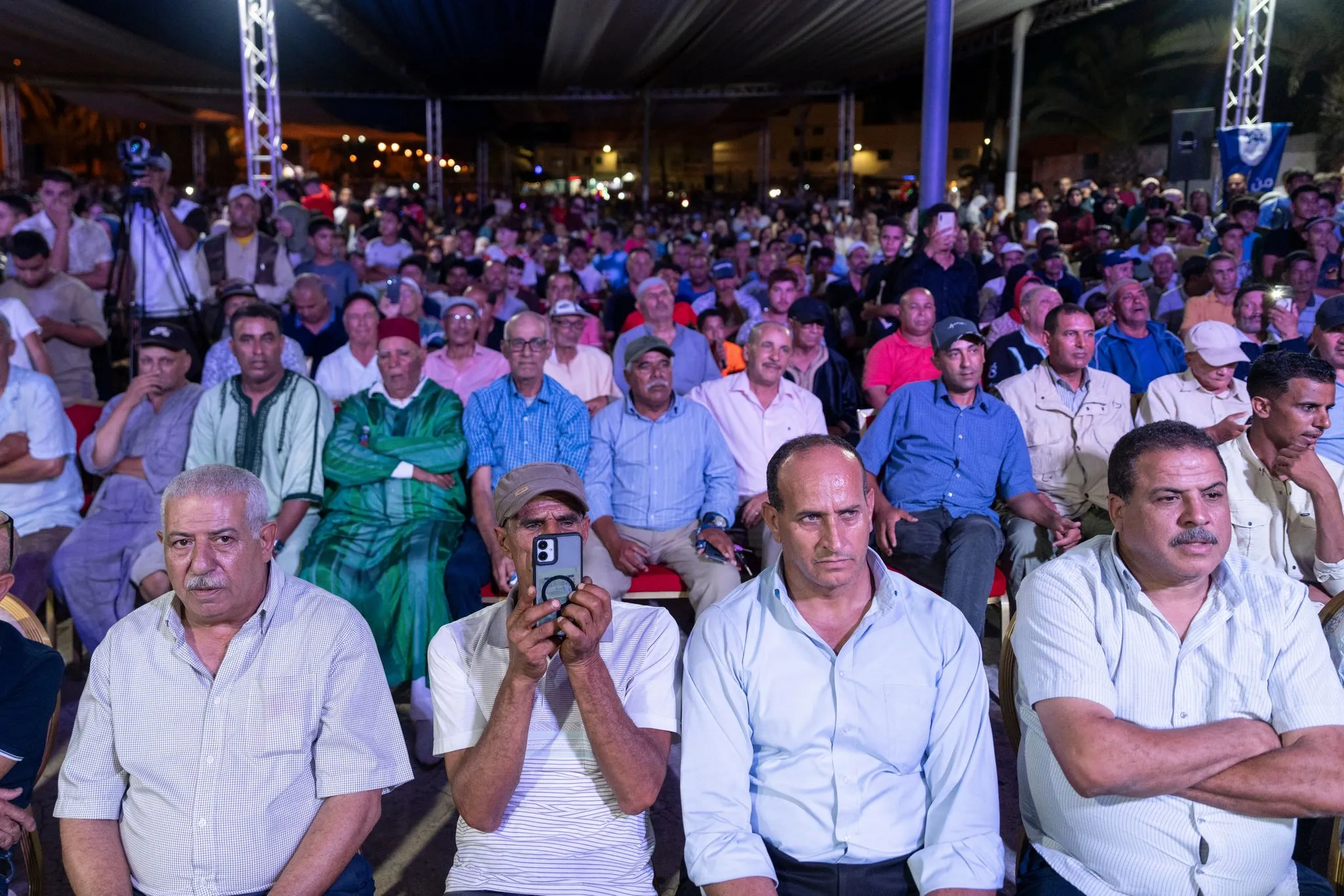
As Morocco embarks on a critical journey towards a new parliamentary structure, voters are casting their ballots in an election that reflects the palpable frustration among the youth, soaring unemployment rates, and a pressing demand for improvements in education, healthcare, and housing. This election, occurring on a Wednesday, is significant as it marks a pivotal moment for nearly 16 million registered voters who are eligible to partake in selecting representatives for the 395-seat House of Representatives. The voting centers will be open from 8 a.m. to 7 p.m. local time, allowing ample opportunity for citizens to engage in the democratic process.
In the backdrop of this electoral exercise lies a complex landscape shaped by the aspirations and grievances of a generation that has often felt sidelined. Young Moroccans, facing a paradox of a growing economy yet persistent unemployment, have expressed their discontent through street protests. Many have begun to question the efficacy of political participation, with some opting to abstain from voting altogether or considering emigration as a viable escape from their grievances. The recent protests, which were predominantly youth-led, underscored the urgency for the government to address the everyday concerns of its citizens, particularly in job creation and cost of living adjustments.
The Need for Collective Action and Reform
This election is not merely about choosing a new government; it is a litmus test for the monarchy’s willingness to listen and adapt to the needs of its populace. The Moroccan Constitution mandates that the king appoint the head of government from the party that secures the most seats in these elections. However, given the fragmented nature of the political landscape, where no single party is anticipated to achieve an outright majority, coalition-building will be essential for effective governance. Voters will have the option to select from 7,288 candidates representing 27 different political parties, making this election a diverse and competitive arena.
The current political climate is further complicated by calls from certain factions to boycott the elections, alleging that they do not meet the basic standards of democratic governance. For instance, the far-left party, The Democratic Path, and the Islamist group Al-Adl Wal Ihsane, while not officially recognized, have voiced their dissent regarding the electoral integrity. This skepticism reflects a broader sentiment among the youth that without substantial reforms, the political process may yield little in terms of meaningful change.
As the voting concludes, the results are expected to be announced on Thursday, and the implications of this election could resonate well beyond the political sphere. With Morocco gearing up to co-host the 2030 FIFA World Cup, the new government will be tasked with overseeing significant investments and infrastructure development, often referred to as the "World Cup government." However, the pressure to address pressing socio-economic issues remains paramount, as citizens seek tangible improvements in their daily lives.
As reported by greenwichtime.com.