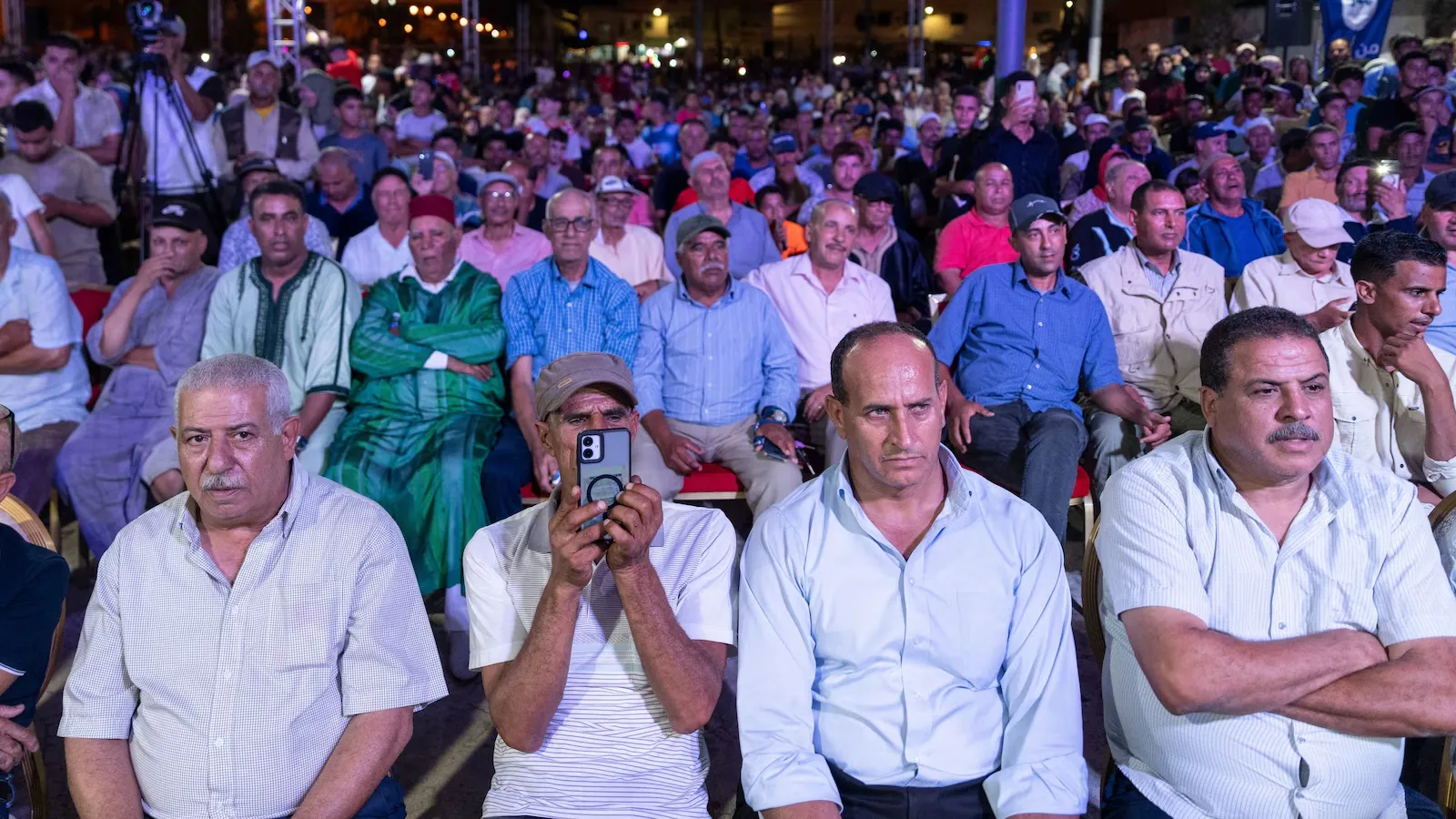

In Casablanca, Morocco, citizens are gearing up for a pivotal electoral moment as they prepare to cast their votes for a new parliamentary government. The prevailing issues at the forefront of Moroccans' minds include the urgent need for job creation, the promise of higher wages, the quest for reduced inequality, and the demand for improved public services such as housing, education, and healthcare. These priorities reflect a growing discontent among the populace, especially among the youth, as they look for tangible solutions to their everyday challenges.
The upcoming elections hold significant weight, not only because they are the first since the tragic protests led by the younger generation last year but also due to Morocco's strategic position as a co-host of the 2030 FIFA World Cup. This monumental event has led some to dub the incoming government as the “World Cup government,” with speculation surrounding potential candidates, including influential figures from the world of soccer, for the prime ministerial role. However, the new political leadership will face the daunting task of addressing pressing social and economic issues while navigating the complexities of a monarchy that retains considerable power over crucial decisions.
The economic landscape in Morocco is evolving, with increasing foreign investments and the emergence of new industries. Nevertheless, challenges persist, as economic growth has not translated into sufficient job opportunities for the populace. Alarmingly, a significant portion of the population, approximately 12.7%, is still living in relative poverty. Despite the kingdom's status as a favored tourist destination and its strategic alliances, including strong ties with the United States and diplomatic relations with Israel, the disparities in development continue to fuel discontent among citizens.
As Moroccans head to the polls, candidates from 27 political parties are vying for 395 parliamentary seats, each presenting their visions for addressing the country’s pressing issues. The RNI party, part of the current ruling coalition, has pledged a monthly minimum wage of 5,000 dirham (approximately $525) and the creation of one million jobs. In contrast, the PAM party, another coalition member, has proposed tax exemptions for salaries below 15,000 dirham ($1,575) and promised 100,000 housing solutions targeted at the youth. Other parties, such as the Istiqlal Party and the opposition leftist PPS, are advocating for improvements in public healthcare and education, respectively. The moderate Islamist PJD party aims to bridge economic disparities between urban and rural areas, reflecting a broader commitment to inclusive growth.
Historically, the king of Morocco appoints the prime minister from the party that performs best in the elections. However, with no single party expected to secure an outright majority, coalition-building will be essential. While the power dynamics suggest that the royal palace will retain control over significant portfolios, including defense and foreign affairs, analysts highlight that the overarching policies are often dictated by a close circle of advisers to the king. This intricate balance of power poses unique challenges for the incoming government, particularly in addressing the voices of the youth who are increasingly disillusioned with political processes.
As the electoral process unfolds, the potential for change remains a hot topic among younger voters. With youth unemployment rates soaring to 37% and millions of young Moroccans disengaged from education, employment, or training, many express skepticism towards the political system. Some, like Ayoub Lasli, have chosen to abandon the electoral process altogether, while others, such as Ayoub Belaidi, hold out hope that the recent activism of the Gen Z movement might lead to meaningful change. With approximately 15.8 million registered voters out of 26.7 million eligible citizens, voter registration remains a bureaucratic hurdle for many, further complicating civic engagement. Observers anticipate that turnout could be low, reflecting a broader trend of public disengagement from state processes, a vital indicator of the health of Morocco’s democracy.
As reported by abcnews.com.