
Morocco's Legislative Elections: PAM Leads Amidst Historical Low Voter Turnout
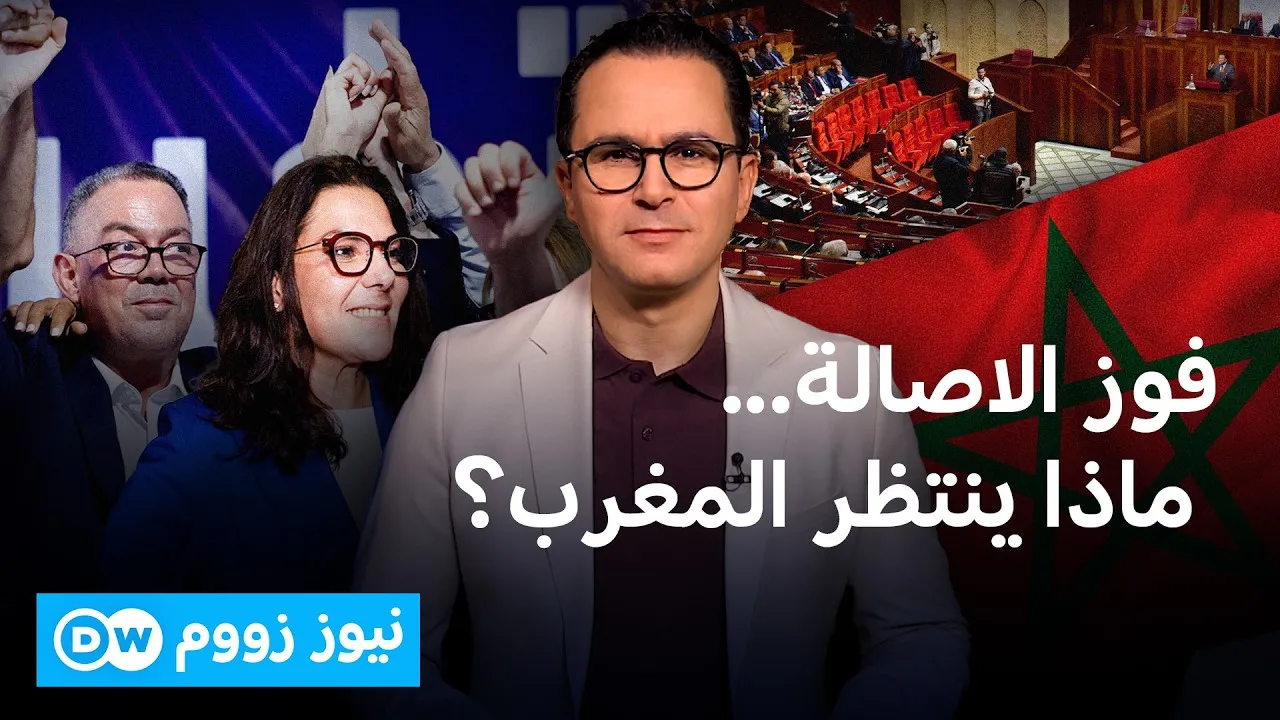
The recent legislative elections in Morocco have marked a significant shift in the political landscape, with the Party of Authenticity and Modernity (PAM) emerging as the leading political force. According to preliminary results announced by Interior Minister Abdelouafi Laftit, PAM has secured 97 out of 395 seats in the Chamber of Representatives, indicating a notable success for the party, which is part of the current governing coalition. This electoral process, however, has been overshadowed by an alarming trend of voter apathy, with participation rates plummeting to a staggering 38.08%, the lowest recorded in nearly two decades.
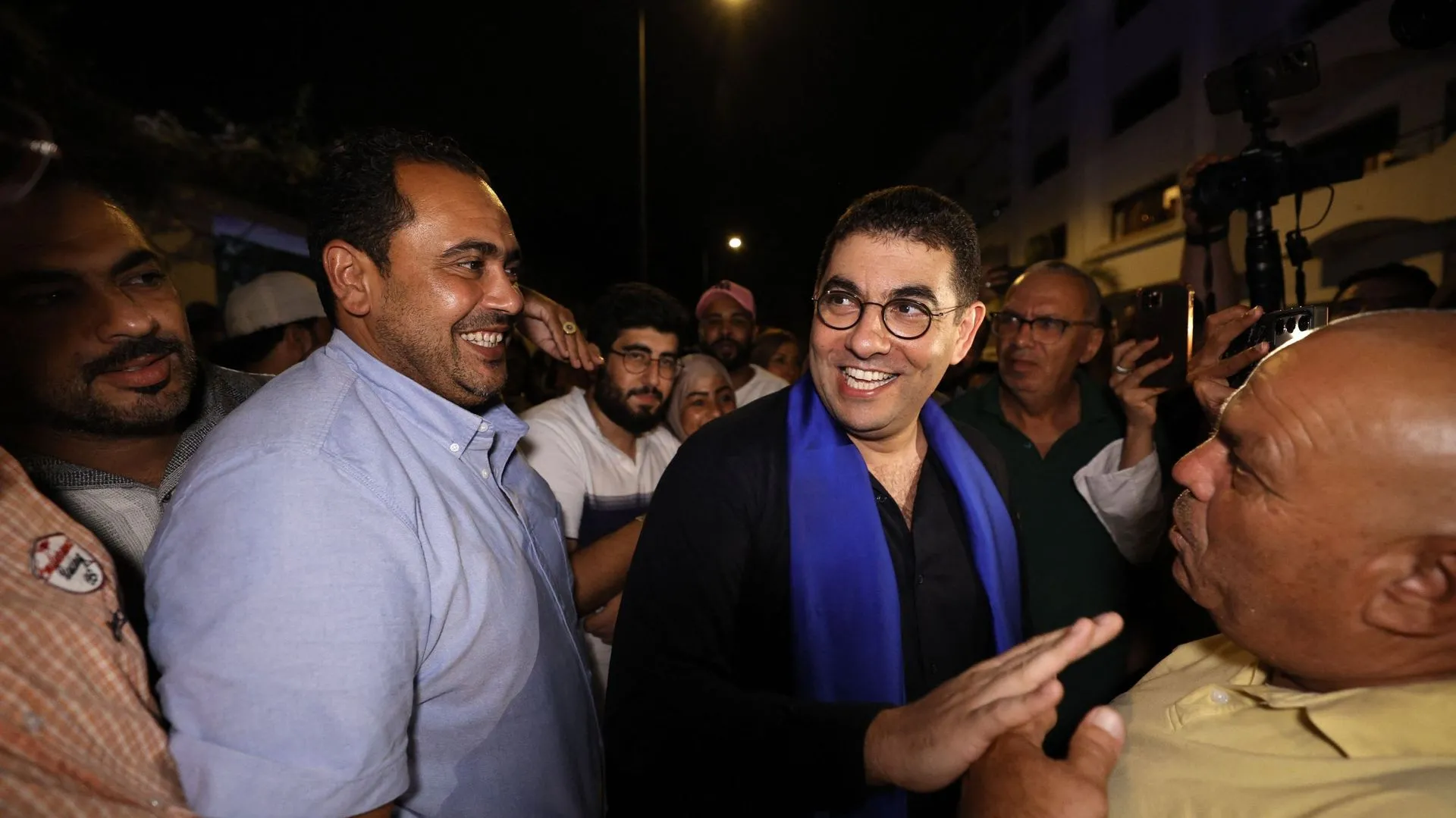
The elections, held against a backdrop of social unease and political distrust, saw the National Rally of Independents (RNI), led by current Prime Minister Aziz Akhannouch, fall to second place with only 66 seats, losing approximately thirty seats compared to the previous elections in 2021. The Istiqlal Party, also a member of the ruling coalition, followed closely with 65 seats. In a surprising turn, the Islamist Justice and Development Party (PJD) made a comeback, increasing its representation from 13 to 54 seats, largely campaigning on an anti-corruption platform.
This electoral outcome reflects a growing disillusionment among the electorate, particularly the youth, who have expressed concerns regarding unemployment and social inequalities. The elections occurred shortly after a migratory crisis in Ceuta, which highlighted the dire prospects faced by many young Moroccans despite the country’s economic growth and substantial investments in infrastructure in preparation for the 2030 World Cup, which Morocco will co-host with Spain and Portugal. Critics, including independent researcher Lamia Elfehaim, have pointed out that the financial commitments for the World Cup appear misaligned with the immediate socio-economic priorities of the nation, such as the need for improved public services and rural development.
The newly elected government will be led by a Prime Minister from the PAM party, who will be appointed by King Mohammed VI and tasked with forming a coalition government for a term of five years. However, it is crucial to note that the overarching strategic decisions regarding key sectors will remain under the purview of the monarchy, indicating a continuation of traditional power dynamics within Morocco's political framework.
As reported by rtbf.be.