
Significant Developments in Morocco's Electrification Efforts
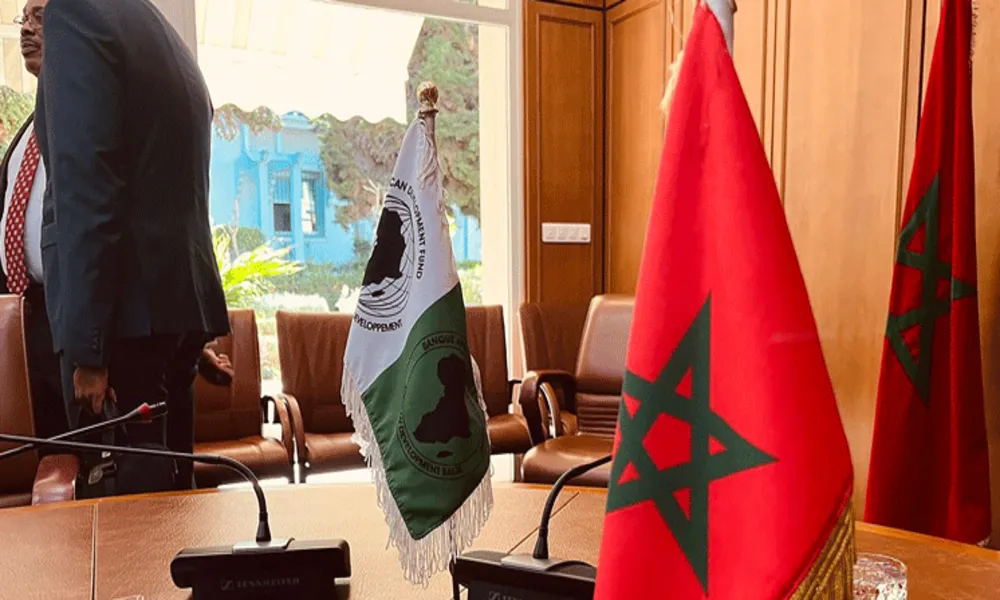
The Electricity Transmission Network Development and Rural Electrification Program (PDRTE-ER), spearheaded by the Moroccan National Office of Electricity and Drinking Water (ONEE) with the invaluable support of the African Development Bank (AfDB), has reported impressive outcomes that range from “satisfactory” to “very satisfactory” in its latest evaluation. This assessment, conducted by the pan-African institution, sheds light on the considerable advancements made in operational capacities, significantly driven by robust investments in transmission infrastructure.
One of the standout achievements of this initiative is the construction of a substantial 254 kilometers of high-voltage transmission lines, including an impressive 244.85 kilometers operating at 400 kV. Additionally, the commissioning of a new 225/60 kV substation has bolstered the stability of Morocco's national grid, particularly benefiting the regions of Casablanca Central and the South. The AfDB underscores that these infrastructural enhancements are pivotal in facilitating the integration of renewable energy sources, which is essential for the nation’s strategic energy transition goals.
Rural Electrification: A Key Indicator of Progress
Rural electrification has emerged as one of the most prominent indicators of Morocco's progress in energy accessibility. The connection of 937 villages—surpassing the initial target by an impressive 30%—and the provision of electricity to nearly 20,000 households are testaments to Morocco's commitment to achieving near-universal electrification, currently standing at an astounding 99.91% coverage rate. This expansive deployment is supported by an extensive network comprising 1,261 kilometers of medium-voltage lines, 3,898 kilometers of low-voltage lines, and 719 substations, which together contribute to enhanced living conditions and the facilitation of local economic activities.
The macroeconomic and sectoral impacts of this electrification initiative are corroborated by data consolidated by the African Development Bank. Notably, the share of renewable energy in Morocco's installed capacity has surged to 45.5%, up from an earlier figure of 33.84%, which underscores the nation's commitment to transitioning towards a more sustainable, lower-carbon energy mix. Furthermore, the peak capacity of the national grid has reached 7,580 megawatts, exceeding initial targets, while net energy demand has escalated to 45,713,104 GWh, reflecting a significant ramp-up of the national electricity system. These advancements not only enhance the security of supply for industries but also contribute to the overall attractiveness of various regions within the country.
Beyond mere infrastructural improvements, the program has also generated tangible economic benefits, with the creation of 243 permanent jobs and an additional 744 temporary positions, highlighting its contribution to the local job market. The report notes a commendable contract commitment rate of 93.60% and a disbursement level of 45.23%, which further affirms the project's solid progress. Classified as “not potentially problematic,” this program enhances Morocco's standing with international donors, strengthening the country’s credibility on the global stage.
However, some challenges remain, particularly concerning the 225 kV “Laawamar Oulad Haddou” line, which has faced technical and procurement obstacles. The AfDB has observed that corrective measures are being implemented by ONEE to ensure that the disbursement deadline of June 30, 2028, is met. Despite these challenges, the institution remains optimistic that the program is on course to achieve its objectives, solidifying Morocco’s position as a regional leader in electrification and energy transition.
As reported by apanews.net.