
Over the past few decades, Morocco has established a growing influence over Spain in various fields, including migration control, drug trafficking prevention, and counter-terrorism cooperation. However, a lesser-known yet particularly significant aspect of their relationship is the energy dependence that Morocco has on Spain, which revolves around electrical and gas interconnections. These interconnections make Spain a strategic player in ensuring energy supply for the Moroccan population, with approximately 25% of its electricity and 100% of its gas sourced from Spain. This might come as a surprise to many in Spain, who often perceive the relationship as a one-sided strategic dependence favoring Morocco. Ignacio Urbasos, an Associate Researcher at the Center for Global Affairs & Strategic Studies (GASS) at the University of Navarra, highlights this asymmetric dependency of Morocco on Spain. He notes that all the gas purchased by Morocco on the international market must first arrive at Spanish regasification terminals since there are none in the Maghreb region.
The relevance of this energy interdependence is further illustrated by the underwater electrical connections between the two countries, which have been operational since the late 1990s. According to Red Eléctrica (REE), Spain currently possesses a commercial capacity to export up to 900 MW of electricity to Morocco, while it can import 600 MW. These connections are not only vital for the volume of electricity exchanged but also play a crucial role in synchronizing Morocco's electrical network with the European system, ensuring frequency stability and the ability to absorb variations in a grid increasingly reliant on renewable energy sources. Historical data indicates that Morocco's dependence on Spanish electricity has intensified over the years. By 2025, it is projected that around 90% of the electricity flowing through these interconnections will be from Spain to Morocco, with recent figures suggesting that this percentage has already climbed to over 97%. This electrical flow has accounted for approximately 8% to 15% of Morocco's total electricity demand, and when considering gas imports, this figure rises to 25%.
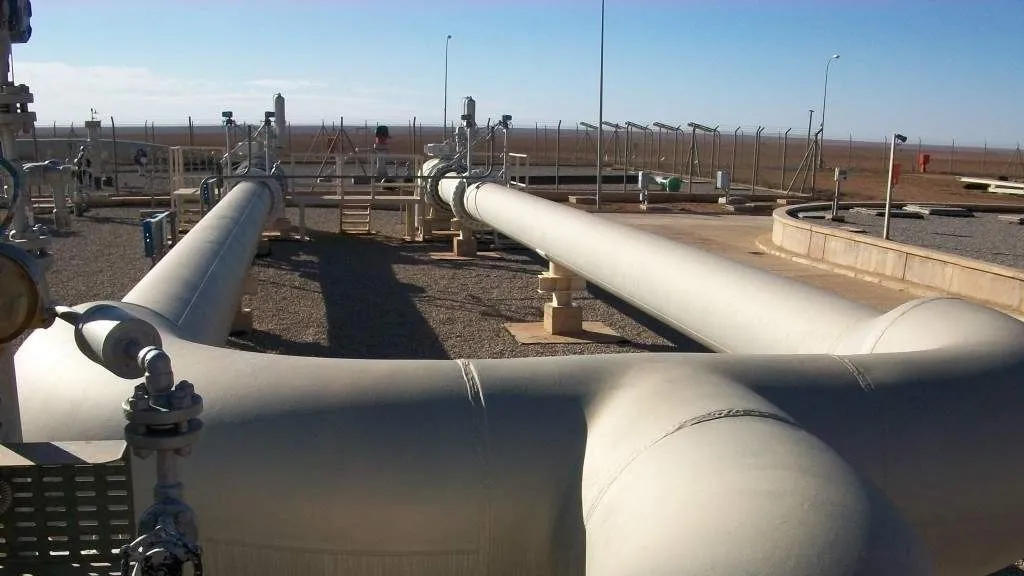
Moreover, the energy dependency does not end with electricity. The breakdown of energy relations between Morocco and Algeria in 2021 led to the closure of the Maghreb-Europe Gas Pipeline on the Algerian side, which had previously transported Algerian gas to Spain via Morocco while also supplying Morocco itself. Since then, Morocco has turned to the international liquefied natural gas (LNG) market. The LNG acquired by Morocco is regasified at Spanish facilities before being sent back to Morocco through the previously mentioned pipeline, utilized in reverse. This situation creates a dual dependency, as both electricity and gas travel through Spain before reaching Morocco's energy system. From Spain's perspective, however, this interconnection is not essential for energy supply security.
In response to its dependence on Spain, Morocco has been actively pursuing new energy connections. In 2019, Spain and Morocco agreed to explore a third electrical interconnection with a planned capacity of 700 MW, aiming to enhance exchanges and promote the integration of renewable energies. Additionally, Morocco is seeking to diversify its energy entry points by proposing various regasification terminal projects while also increasing solar and wind generation and gradually reducing its reliance on coal. In July 2026, Morocco and Portugal agreed to revive plans for a direct electrical interconnection between the two countries and to seek European funding for the project. Ironically, while Morocco aspires to become a renewable energy powerhouse capable of exporting electricity to Europe, it currently maintains a significant dependence on Spain to ensure the stability and partial supply of its own electrical system.
As reported by elespanol.com.