
Over the past twenty-seven years, Morocco's African policy has undergone a significant transformation in vision, objectives, and methodologies. Since King Mohammed VI ascended to the throne in 1999, Africa has taken a central role in the Kingdom's foreign policy. It is no longer viewed merely as a geographical expanse for diplomatic outreach but rather as a strategic space where economic, developmental, security, and humanitarian interests converge, shaping a new regional order. This vision signifies a shift from traditional diplomatic relations to a proactive diplomatic approach characterized by initiatives, projects, and partnerships, establishing Morocco as one of the most prominent African players in South-South cooperation over recent years.
Rejoining the African Union: A Return to the Natural Home
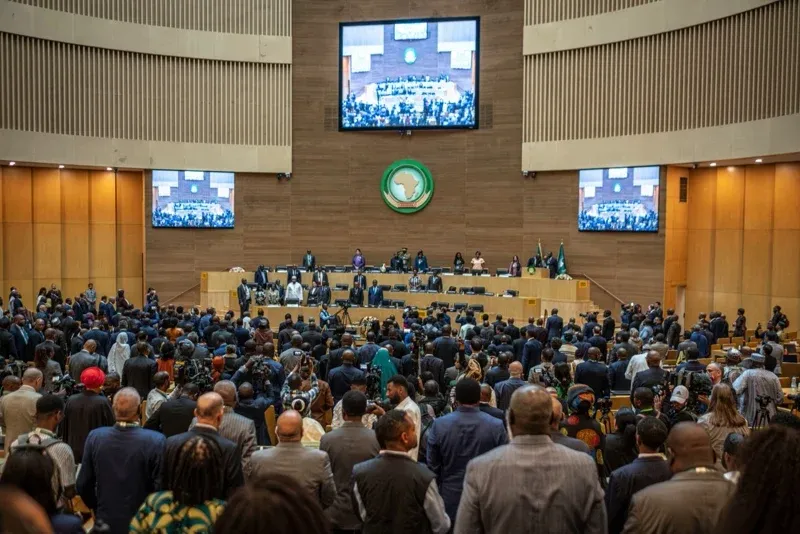
The return of Morocco to the African Union in 2017 marked a pivotal moment in reshaping its policy towards the continent. After decades of absence from the African organization, Morocco chose to return to its 'African home,' as articulated by King Mohammed VI, with the intent to work from within the Union's institutions to advocate for its interests and contribute to issues that concern not only Moroccan strategic interests but also the future of the entire continent. This return was not merely a diplomatic maneuver; it served as a gateway for Morocco to enhance its presence and effectiveness within the African framework. Following the resumption of its membership in the African Union, Morocco engaged in numerous priority issues on the continent, such as security, counterterrorism, sustainable development, migration, climate change, and economic and trade cooperation. Furthermore, the Kingdom bolstered its presence within African institutions and mechanisms, particularly in the African Union's Peace and Security Council.
This active engagement allowed Morocco to transition from a diplomatic participation role to a more prominent position in discussions related to collective African security, especially in light of the challenges facing the Sahel and Sahara regions, including rising terrorist threats, transnational crime, and political instability in various African nations. Consequently, Morocco has solidified its status as an African actor capable of contributing to the continental agenda, defending its approaches and interests, and forging multilateral partnerships with African countries and institutions. From this perspective, Morocco's African identity has evolved into a strategic choice based on the fundamental idea that the prosperity of Morocco is significantly linked to the prosperity of its African surroundings.
From Cooperation to Economic Partnership
One of the most notable aspects of Morocco's evolving African policy is the increasing presence of Moroccan enterprises and investments across various countries in the continent. Sectors such as banking, telecommunications, insurance, industry, agriculture, energy, services, logistics, and training have established a foothold in numerous African markets. This presence has facilitated the creation of new economic networks that connect Morocco with its African depth, allowing for the transfer of expertise, experiences, and human resource training, which reflects a vision of cooperation that transcends temporary aid towards producing sustainable partnerships.
This approach is particularly significant as it positions investment as a tool for achieving mutual development and creating long-term partnerships rather than merely serving Moroccan economic interests. Morocco's economic involvement in Africa extends beyond trade exchanges or direct investments, rooted in a vision focused on knowledge transfer, sharing experiences, and contributing to building local capacities. In this context, Morocco has engaged in projects and programs related to agriculture and food security, enhancing productivity, developing agricultural technologies, and strengthening African countries' capacity to tackle food security challenges. Additionally, cooperation has expanded into human and institutional domains, encompassing the training of African students, clerics, and religious guides, underscoring the importance of the human and cultural dimension in Morocco's policy toward the continent.
In recent years, Morocco's vision has taken on a more ambitious scope with the launch of the Atlantic Initiative aimed at enhancing the access of Sahelian African countries to the Atlantic Ocean. This initiative encompasses economic, geopolitical, and developmental dimensions, proposing the establishment of an African Atlantic space capable of enhancing trade exchanges, logistical connectivity, and opening new horizons for landlocked African countries. Moreover, the initiative reflects a Moroccan perspective that views the Atlantic Ocean as a space for African integration, rather than simply a maritime façade. The dynamic involving Atlantic African countries has garnered increasing appreciation and interaction as a platform for cooperation, stability, and shared prosperity.
The Nigeria-Morocco gas pipeline project stands as one of the most illustrative examples of the transformation in Morocco's policy towards Africa. This initiative is not merely about gas transportation; it is linked to a broader vision of economic integration, energy security, and industrial development in West Africa. Spanning approximately 6,800 kilometers, the project aims to transport natural gas from Nigeria to Morocco, with potential future connections to the European gas network. In July 2026, a significant institutional milestone was achieved as member countries of the Economic Community of West African States (ECOWAS) signed the intergovernmental agreement for the project during the organization's summit in Freetown on July 19.
The importance of this project lies in its potential to transform not only the transportation of natural gas but also to serve as a comprehensive corridor for development and regional economic integration, linking African economies and opening broader prospects for trade and investment. By providing a more reliable energy supply, the project can enhance energy security for the countries it traverses and reduce some bottlenecks that hinder the growth of economic and industrial activities, particularly in nations with limited energy infrastructure.
In conclusion, the achievements of twenty-seven years of leadership reveal that Morocco's African policy has transcended reactive measures or isolated initiatives; it has evolved into an integrated strategic vision encompassing diplomacy, economics, investment, development, and infrastructure. From rejoining the African Union to expanding economic partnerships, through the Atlantic Initiative and energy projects, it becomes clear that Morocco aims to establish a new position within Africa: that of a partner investing in a shared future based on an equitable win-win partnership, rooted in the conviction that Africa is not only a strategic depth for Morocco but also a space for crafting a shared future. Thus, it can be asserted that one of the most significant features of the African policy during King Mohammed VI's reign is the redefinition of the relationship between Morocco and Africa based on presence, partnership, projects, and mutual interests; an approach that positions South-South cooperation as a strategic choice and Africa as a fundamental pillar for Morocco in shaping its regional and international standing in the decades to come.
As reported by hespress.com.