
Morocco's Infrastructure Investment and Economic Challenges
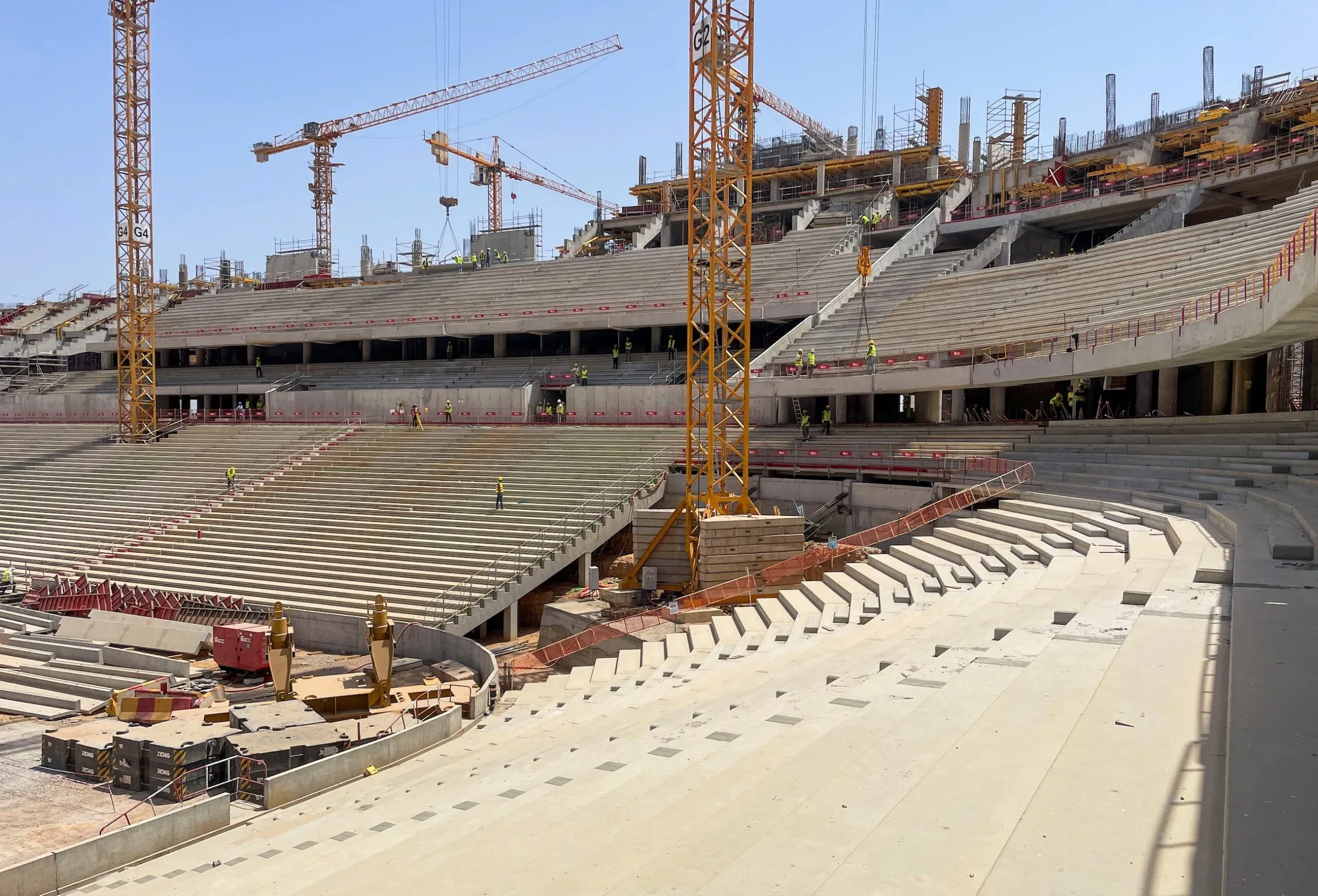
In light of the upcoming 2030 FIFA World Cup, Morocco's public finances are under scrutiny due to the potential for significant cost overruns associated with the extensive infrastructure projects being undertaken. As reported by global rating agency Fitch, the nation, which is set to co-host the tournament alongside Spain and Portugal, has initiated a monumental infrastructure program that is primarily financed by state-backed companies, public-private partnerships, and off-budget entities, amounting to an astounding investment of $41 billion. This ambitious spending plan aims to bolster the country's infrastructure in anticipation of an influx of tourists, with the government projecting an increase in annual visitors from 17.5 million in 2026 to 26 million by 2030.
However, Fitch warns that the risks to public finances are substantial. The agency emphasizes that any cost overruns could necessitate increased government support or lead to the formation of contingent liabilities that might eventually impact the sovereign balance sheet. The anticipated fiscal deficit is expected to widen to 4 percent of GDP in 2026, up from 3.5 percent in the previous year, largely attributed to temporary spending pressures stemming from geopolitical tensions, particularly the ongoing crisis in the Hormuz Strait. While the fiscal gap is projected to stabilize at an average of 3.4 percent of GDP in 2027-2028, capital spending is expected to remain elevated at around 7.5 percent of GDP, driven by preparations for the World Cup.
Economic Growth and Future Projections
Furthermore, real GDP growth is projected to decelerate to 4 percent in 2026, a decline from the 4.9 percent growth recorded in the prior year. This moderation in growth is attributed to the rising costs of energy and transportation, which have been exacerbated by weakened external demand, particularly from Europe. Despite these challenges, Fitch has affirmed Morocco’s long-term issuer default ratings at BB+ with a stable outlook, citing the country's sound macroeconomic policies and sufficient external liquidity buffers as positive indicators for the future. The Moroccan government’s commitment to enhancing infrastructure in preparation for the World Cup reflects both an ambitious vision and a significant risk, making it imperative for stakeholders to monitor the evolving financial landscape closely.
As reported by agbi.com.