
Morocco's Commitment to Ceuta and Melilla
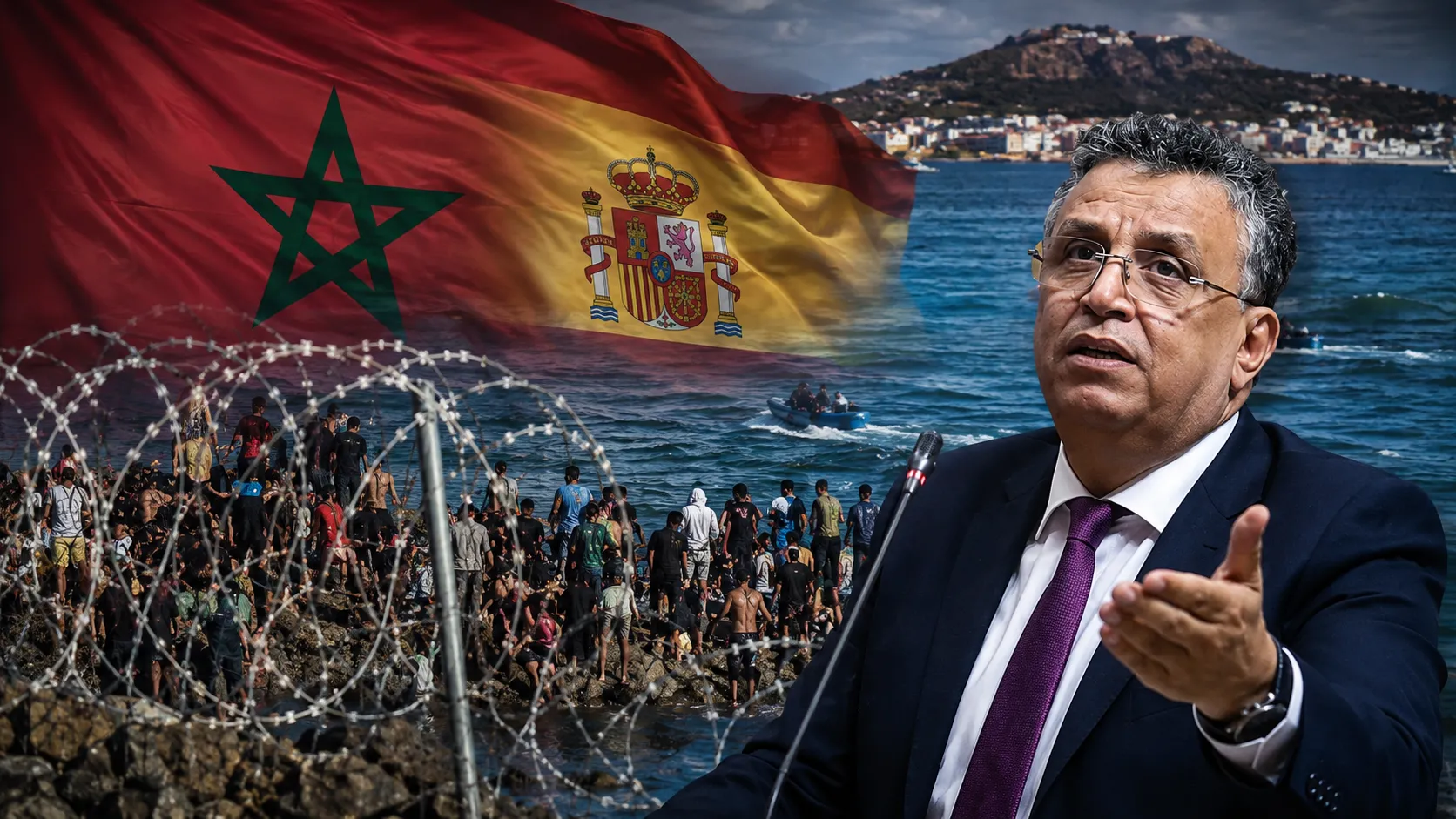
In a recent statement, Morocco's Minister of Justice, Abdellatif Wahbi, reaffirmed the country's unwavering commitment to reclaiming its historical and geographical rights concerning the cities of Ceuta and Melilla. He emphasized that the status of these two cities will remain a topic of ongoing dialogue between Morocco and Spain. This assertion is coupled with Morocco's priority to address the situation of unaccompanied Moroccan minors currently residing in Spain, especially in light of the recent surge of mass entries into Ceuta.
Focus on Unaccompanied Minors
During an interview on Channel Two, Minister Wahbi articulated that the issue of unaccompanied minors holds "paramount importance" for Morocco. He underscored the Kingdom's readiness to facilitate the return of these children to their families and homeland, while also collaborating with Spanish authorities to find a comprehensive and lasting solution to this pressing issue. The Minister stated that Morocco is actively engaged in addressing the situation of these minors through official communication channels between Moroccan and Spanish officials, denying the accuracy of information circulated on social media or unofficial platforms regarding this matter.
Wahbi highlighted that communication between Rabat and Madrid is not only ongoing but also fruitful, aimed at resolving the issue in a manner that transcends temporary solutions. He mentioned Morocco's willingness to provide the necessary resources and means to facilitate the minors' return, including dispatching buses and offering various forms of essential support for this operation.
This stance is particularly relevant amid the ramifications of the recent wave of mass migration toward Ceuta, which has seen a significant influx of migrants, including minors, prompting Spanish authorities to seek solutions for their accommodation and management. Minister Wahbi reiterated that unaccompanied minors should be regarded as "victims rather than criminals," emphasizing Morocco's commitment to ensuring their safe return to their families. He argued that addressing this issue necessitates close coordination among Morocco, Spain, and the European Union to arrive at a long-term solution that alleviates the humanitarian and social consequences of this phenomenon.
In this context, Wahbi elaborated on Morocco's efforts to combat irregular migration, revealing that Moroccan authorities thwarted 79,000 attempts at illegal migration in 2024 and 74,000 in 2025. Additionally, they dismantled 632 human trafficking networks and rescued approximately 32,000 individuals at sea during the same period. Regarding Ceuta and Melilla, Wahbi confirmed that these cities will continue to be a subject of continuous dialogue between Rabat and Madrid, with Morocco steadfast in its historical and geographical claims, calling for deeper Moroccan-Spanish-European discussions and the establishment of dialogue spaces that contribute to reaching definitive solutions rather than merely managing crises temporarily.
As reported by al3omk.com.