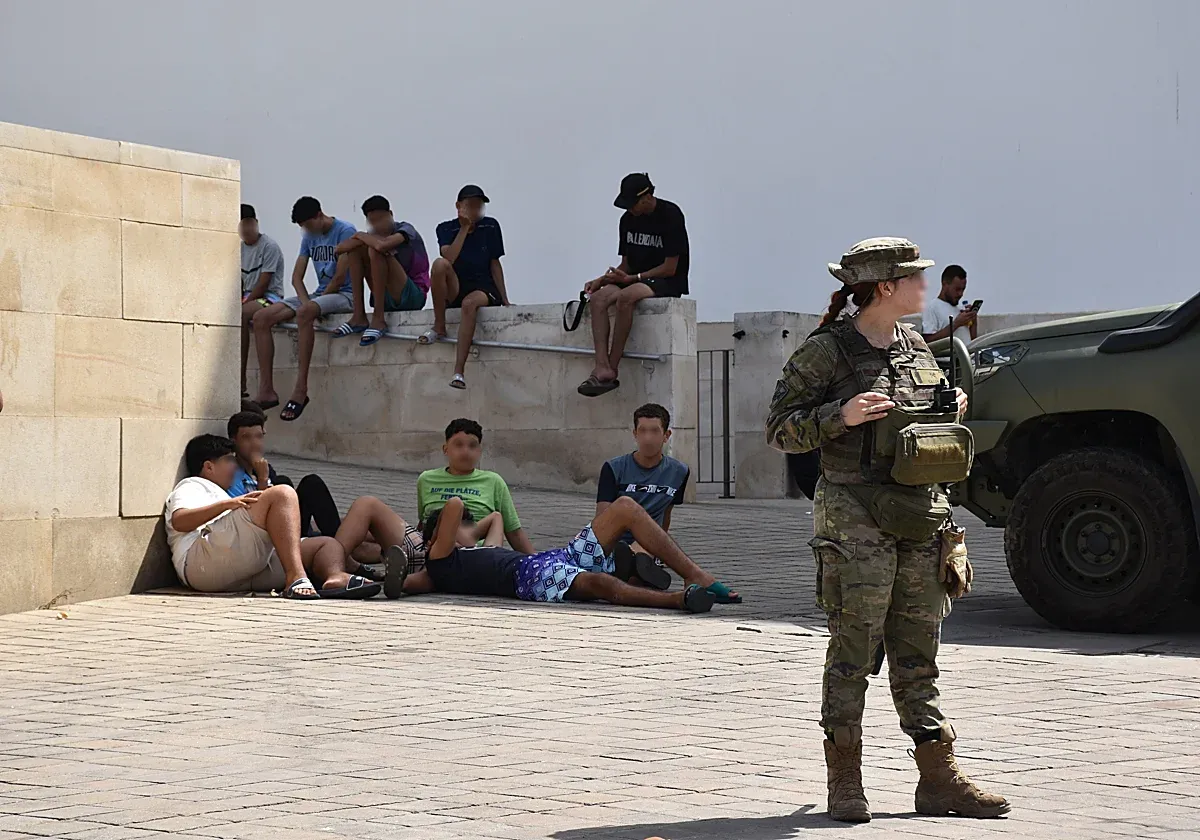

On Monday evening, Moroccan Justice Minister Abdelatif Ouahbi asserted in an interview with the digital platform 'Hespress' that, "Morocco is not willing to abandon its children, youth, and adolescents." This declaration reflects the country's unwavering commitment to the immediate return of approximately 1,400 unaccompanied minors currently residing in Spain, as reported by the government of Pedro Sánchez late Sunday. Ouahbi emphasized that Morocco will demand the return of its children, both legally and politically, a directive reportedly issued by King Mohammed VI, as diplomatic sources informed Efe last week.
During the interview, Ouahbi did not clarify what he meant by "both legally and politically." However, it is evident that more than ten days after the mass entry of at least 72,000 individuals into Ceuta, Rabat is publicly calling on Madrid to repatriate its minors, directly blaming Spanish authorities for what it describes as "judicial and administrative obstacles" that hinder the processes involved.
This narrative has been readily embraced by Sánchez's government, which has sought to absolve Rabat of any responsibility since the onset of the migration crisis that unfolded on July 30 and 31. While the Spanish president characterized the situation as a "threat to our territorial integrity," the government insists that misinformation on social media has distorted the implications of a Supreme Court ruling from June 29, which prohibited the immediate deportation of irregular migrants who arrive by swimming to Spain's shores.
Albares: Morocco's Cooperation and Commitment
The Spanish Foreign Minister, José Manuel Albares, further highlighted Morocco's commitment during a press conference following his meeting with Juan Jesús Vivas, the president of Ceuta. Albares confirmed that the Moroccan administration seeks the immediate return of all its minors and youth, stating, "This is Morocco's intention." This visit marked the first official trip by a Spanish Foreign Minister to the Spanish enclave in North Africa since the establishment of contemporary democracy.
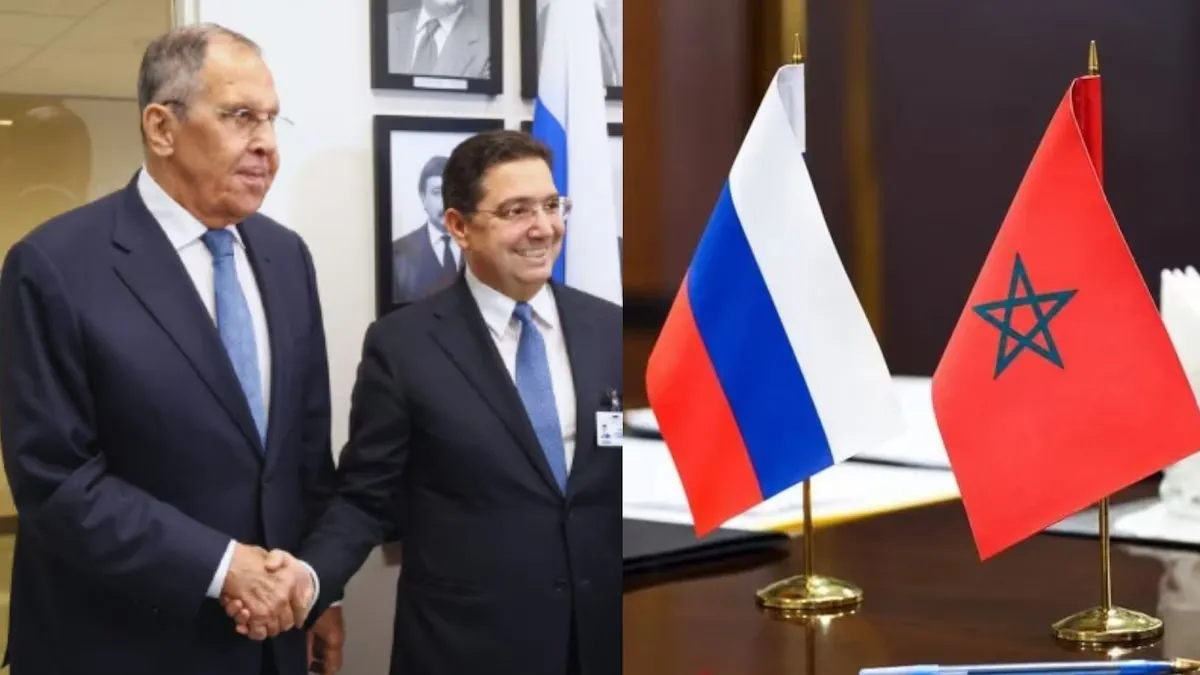
Albares commended Morocco's willingness to facilitate the return of over a thousand minors who crossed into Spanish territory ten days prior, noting that this cooperation occurred without Morocco demanding any concessions in return. He praised the "excellent and fluid dialogue" between the two administrations, claiming to communicate with his Moroccan counterpart, Burita, daily. Furthermore, he acknowledged the potential delays in the process due to existing Spanish judicial rulings and legislation that must be respected.
Historically, Morocco has refrained from demanding the return of these minors. In 2024, during a visit by the President of the Canary Islands, Fernando Clavijo, Burita reiterated Morocco's willingness to accept its unaccompanied minors from European Union countries. In that discussion, he also pointed out the "gaps" in European legislation and procedures as significant obstacles to their repatriation.
Challenges in Repatriation Process
According to the latest figures from the Annual Report of the Public Prosecutor's Office for 2025, as of December 31, 2024, there were 16,041 individuals registered as Unaccompanied Foreign Minors, of which 4,393 were from Morocco. Despite these numbers, only eight minors were repatriated, none of whom were Moroccan. The report highlighted the "impossibility of initiating any repatriation proceedings concerning Moroccan minors due to a lack of response from their authorities." This inaction from Rabat has been corroborated by sources involved in the return processes.
The repatriation process for these minors is not as straightforward as Morocco would like to portray. The country cannot simply demand that minors return; the procedure must first assess whether the return is in the best interest of the child. Representatives from the immigrant and refugee association Accem explain that Spain must request information from Morocco, which then needs to provide details about the child's family. Subsequently, Spain must investigate the minor's situation before the repatriation can commence, ultimately falling under the jurisdiction of the government delegate or subdelegate. However, the child has the right to defend themselves and can present objections to their return. Ultimately, the final decision rests with the Public Prosecutor's Office and the Government Delegation, considering the child's best interest.
The Public Prosecutor's Office has emphasized the challenges in repatriating Moroccan minors in 2024 due to a lack of response from Moroccan authorities. Voices from the Ministry of Youth and Childhood, led by Sira Rego, have further explained that while family reunification is a priority, it is often unfeasible, as many minors lack a family unit to return to. Moreover, as established by law, the best interest of the minors takes precedence, and in most cases, returning to their country of origin does not align with their wishes.
As reported by abc.es.