
The Rise of the Atlas Lions in African Football
Morocco's emergence as a formidable force in continental football is the result of years of diligent behind-the-scenes efforts, fueled by passion and perhaps a touch of naivety. It has been half a century since the prophetic words echoed in European and South American football circles: "When Africa awakens, it will be the future of football." The Moroccan national team's journey began in earnest in 1986 when it made history by reaching the knockout stage of the World Cup for the first time. Today, that future has transformed into the present, with a contingent of ten African nations participating in the latest World Cup, including Algeria, Cape Verde, Ivory Coast, DR Congo, Egypt, Ghana, Morocco, Senegal, South Africa, and Tunisia. This record participation marks a significant milestone for African football, raising the bar for expectations and aspirations across the continent.
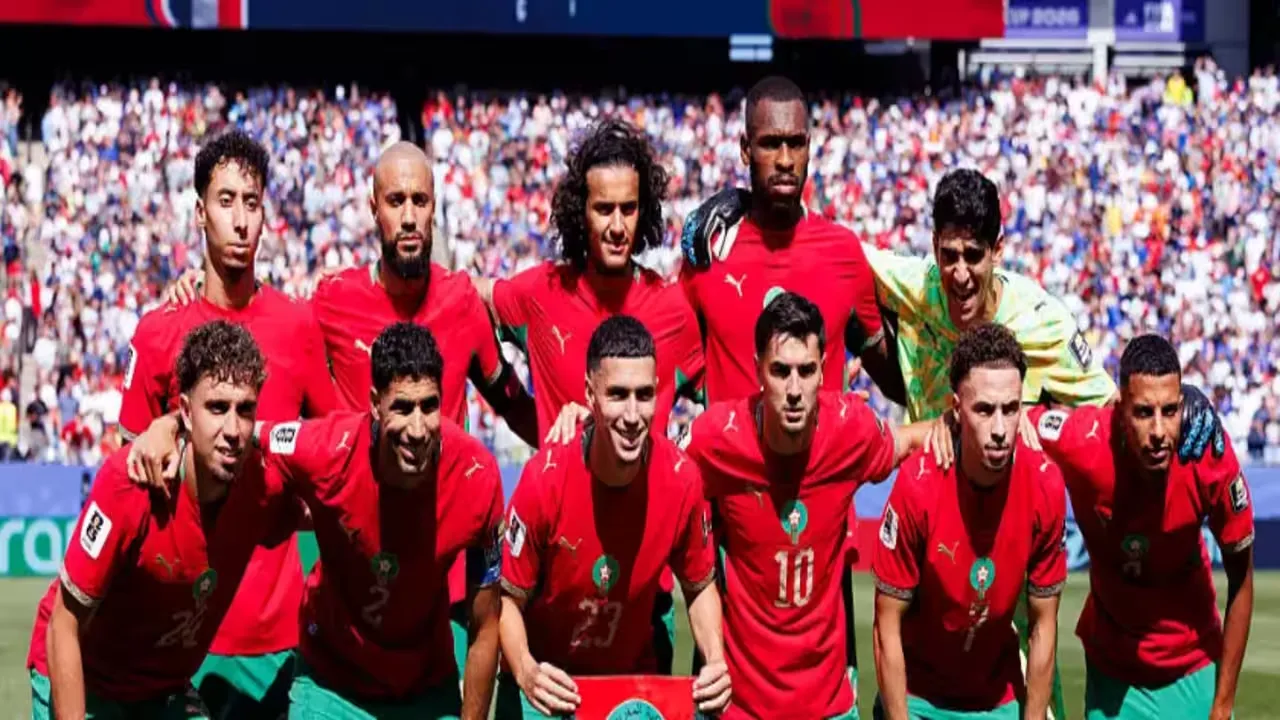
The Moroccan team, known as the Atlas Lions, emerged as a strong contender to surpass Africa's best World Cup performance—reaching the semi-finals in Qatar—demonstrating their growth and potential. However, the team faced formidable opponents in France, who once again proved to be a class above Morocco and the other competitors. Despite their exit in the quarter-finals, the Atlas Lions showcased their resilience and skill, indicating that their success is far from a fleeting moment.
A Bright Future Ahead
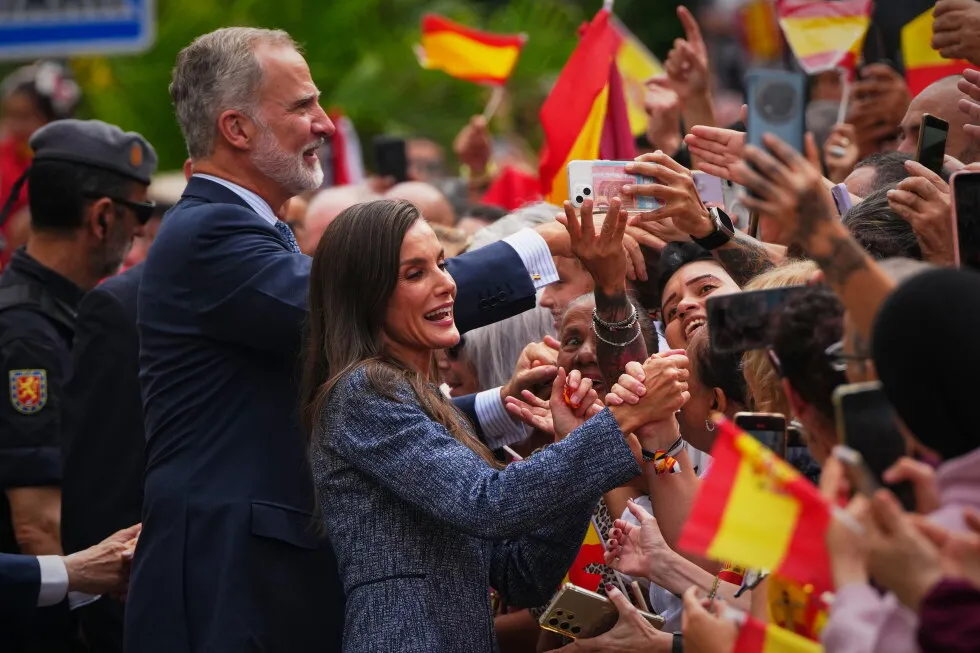
While the current leadership of the Moroccan squad may evolve by the next World Cup, there are promising young talents like 18-year-old Ayoub Bouaddi, who embody the hope and excitement for the future of Moroccan football. The anticipation builds as Morocco prepares to co-host the 2030 World Cup alongside Spain and Portugal, marking a historic transcontinental initiative. This presents a golden opportunity for Morocco to shine on the global stage, showcasing its rich culture and hospitality to the world.
Reflecting on the past four years, the bond between the Atlas Lions and the Moroccan people has grown stronger, as evidenced by the national pride displayed during their World Cup performances. Morocco's leadership role in African football has been bolstered by its recent re-engagement with the African Union and record-breaking investments across the continent. The kingdom’s commitment extends beyond sports, as it embraces cultural and religious initiatives to foster connections within Africa, moving away from its historical ties to Europe and North America.
The remarkable performances of the Moroccan team are attributed to the relentless efforts of countless coaches and trainers dedicated to developing football talent in the country since 2010. The celebrations witnessed in cities like Casablanca and Rabat highlight that football transcends mere competition; it serves as a symbol of hope and pride for a resilient nation.
However, the World Cup journey also serves as a reminder of humility. The reality remains that only one nation can claim victory, and the prowess of teams like France should not be underestimated. Moreover, the impact of football on broader societal issues, such as democracy and public welfare, remains limited, and recent comments regarding player identities underscore the importance of embracing multiculturalism in today’s global landscape. As Morocco continues to integrate talents from diverse backgrounds, it must recognize that the future of football—and indeed, the nation—lies in unity and inclusivity.
As reported by timesofindia.indiatimes.com.