
Morocco Imposes Export Restrictions on Frozen Sardines
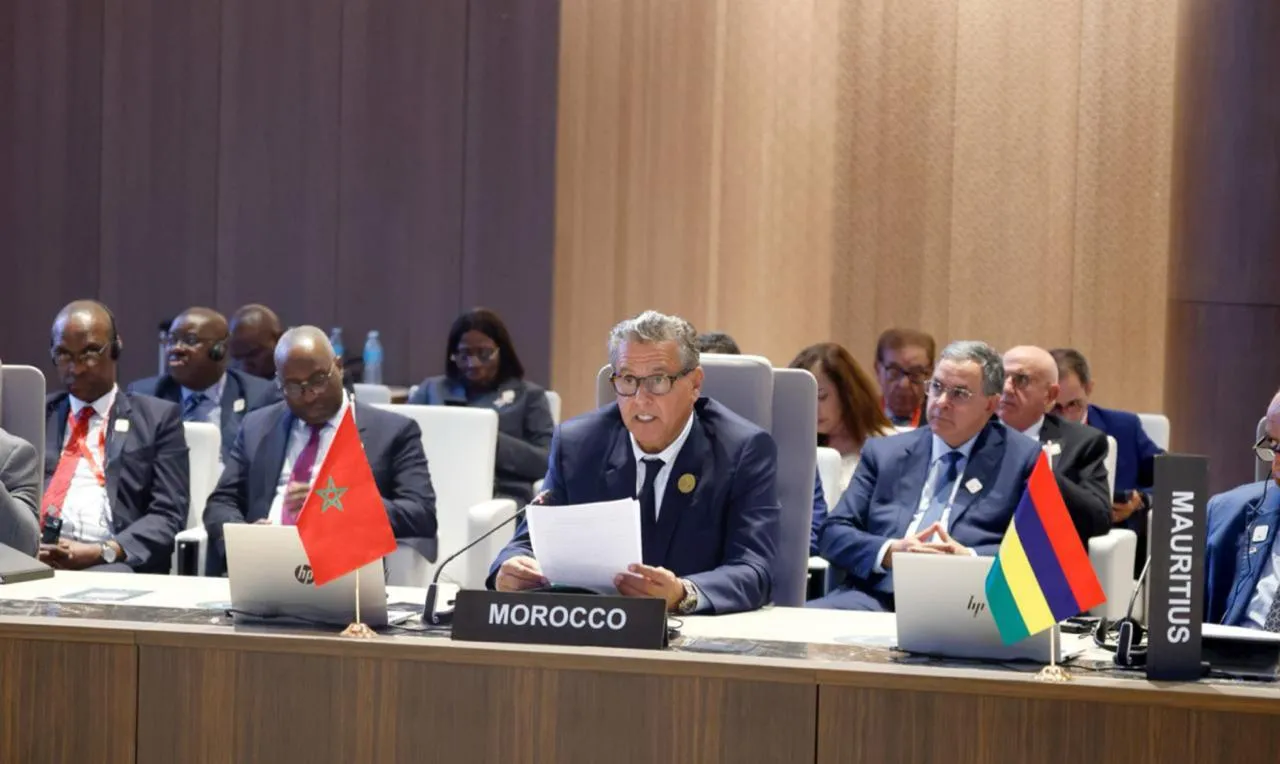
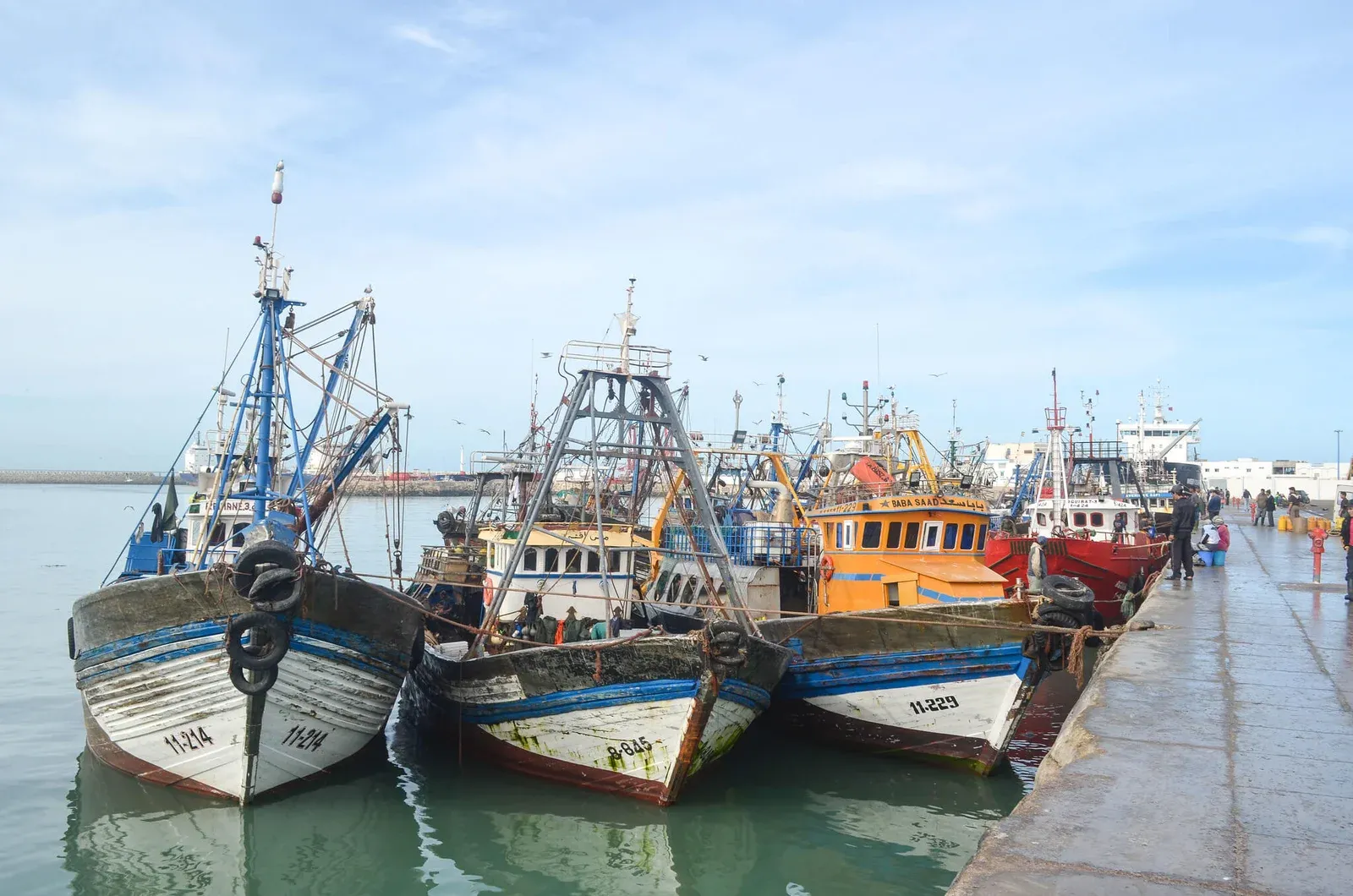
The recent decline in sardine availability in the Atlantic waters off the coast of Western Sahara has compelled the Moroccan government to implement restrictions on the export of frozen sardines. This significant measure, enacted in January by Ryad Mezzour, the Moroccan Minister of Industry and Trade, aims to address the scarcity of this vital pelagic species in areas exploited by the nation's fishing fleet. This decision has far-reaching implications for companies operating in the sector, particularly for the Copelit group, which operates freezing facilities in El Aaiún, within the occupied territory of Western Sahara.
From these facilities, frozen fish is exported to various international markets, including Spain, France, Brazil, and South Africa, underscoring the strategic importance of the Saharan fishing bank within the global seafood trade. However, alarming scientific data from the National Institute of Halieutic Research of Morocco highlights a concerning situation regarding the sustainability of this resource. In the so-called Zone C, which stretches from Boujdour to La Güera—off the coast of Western Sahara—only about 10% of captured fish have reached maturity. A healthy fish stock should ideally consist of at least 40% adult specimens capable of reproduction.
Ecological Implications and Future Measures
Simultaneously, approximately 75% of the sardines recorded in this area are juveniles, predominantly concentrated in the coastal strip within twenty nautical miles. The intensive capture of these fish before they reach reproductive age poses a serious threat to the regeneration of the resource and jeopardizes the balance of one of the most productive marine ecosystems in the eastern Atlantic. In light of this crisis, Moroccan fishing authorities are considering the temporary closure of certain fishing sub-zones until summer 2026 to promote the reproduction of pelagic species and help restore part of the biomass.
Beyond the immediate fishing situation, this episode underscores the significance of the Saharan fishing bank, one of the region's most valuable natural resources. For decades, these waters have been a central element in the regional fishing economy and have been subject to trade agreements, fishing licenses, and legal controversies concerning the exploitation of Western Sahara's resources. The territory remains listed as a non-autonomous territory pending decolonization by the United Nations, and various rulings from the Court of Justice of the European Union have reiterated in recent years that the resources of Western Sahara cannot be exploited without the consent of the Sahrawi people, who hold the right to self-determination over the territory.
In this context, the increasing pressure on sardine populations not only highlights an ecological and economic issue but also underscores the ongoing political and legal debate regarding who has the right to decide on the exploitation of Western Sahara's natural resources. As reported by noteolvidesdelsaharaoccidental.org.