
The Rise of Moroccan Futsal: A Journey to the Top
In 2016, Morocco marked a significant milestone in its sporting history by clinching its inaugural Futsal Africa Cup of Nations (AFCON) title, thereby breaking Egypt's long-standing dominance over the continental futsal landscape. Fast forward ten years, and the Moroccan national team, known as the Atlas Lions, is poised to defend its title, aiming for an unprecedented fourth consecutive championship. Currently ranked sixth in FIFA’s global standings, Morocco trails only behind heavyweight teams such as Brazil, Portugal, Spain, Argentina, and Iran, while their closest African rival, Egypt, sits at 41st place. This substantial gap in rankings reflects a remarkable evolution over the past decade, wherein Morocco has not only excelled on the African stage but has also established itself as a formidable contender in international competitions.
The upcoming tournament, set to kick off on October 12 in Rabat, will see Morocco competing against Algeria, Zambia, and Libya in Group A. A victory in this tournament would elevate Morocco to record status, surpassing Egypt as the all-time leaders in AFCON titles, a testament to their growth and determination in the sport.
A Transformational Leadership
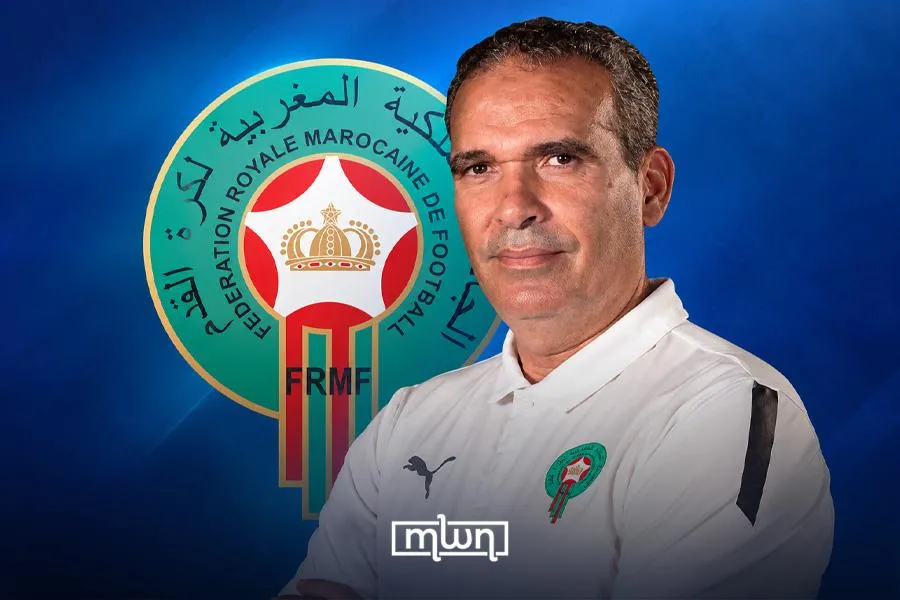
At the heart of this transformation is Hicham Dguig, who has played a pivotal role in the evolution of Moroccan futsal since he took the helm of the national team in 2010. During his early years, the futsal structure was relatively informal, characterized by sporadic training camps and competitions. However, a turning point was reached in 2016 when Morocco triumphed over Egypt with a narrow 3-2 victory in Johannesburg, a win that catalyzed a shift towards a more professional and structured approach to the game. Dguig noted that post-2016, the national team began to engage in international matches more regularly, which significantly enhanced their competitive edge.
Morocco's first appearance at the FIFA Futsal World Cup in 2012 highlighted the disparity between them and established futsal nations, as they faced defeat in all three group matches. Despite this setback, the Moroccan setup utilized these experiences as learning opportunities rather than mere failures. By 2021, Morocco had transformed its fortunes, illustrating a remarkable progression by reaching the quarterfinals of the World Cup for the first time, following victories against formidable opponents. Their journey continued with another quarterfinal finish in the 2024 World Cup, cementing Morocco's reputation as a rising power in futsal.
The development of Moroccan futsal extends beyond the senior national team, with a robust structure in place at the youth level. The national futsal championship operates across two senior divisions and integrates regional competitions. This emphasis on youth development was evident when Morocco’s U17 futsal team faced top-tier nations in Spain and is set to represent the nation at the Dakar 2026 Youth Olympic Games.
Players like Soufiane El Mesrar and Bilal Bakkali exemplify the pathway from Moroccan futsal to international success, having honed their skills locally before making strides in European leagues. The continuity within the team, fostered by Dguig’s long-term vision, has cultivated a recognizable playing style characterized by rotation and positional flexibility, allowing players to contribute both offensively and defensively.
As Morocco prepares for the 2026 AFCON, the pressure has shifted; they are no longer the underdogs but rather the frontrunners in the competition. A fourth consecutive title would not only solidify their dominance in African futsal but also signify their aspirations on the global stage, where reaching the semifinals of the World Cup is now the next milestone. The transformation from a fledgling team in 2012 to a globally respected powerhouse underscores the remarkable journey of Moroccan futsal, reflecting years of dedication, strategy, and an unwavering ambition to compete at the highest levels of the sport.
As reported by moroccoworldnews.com.