
Unfolding Political Dynamics in Morocco
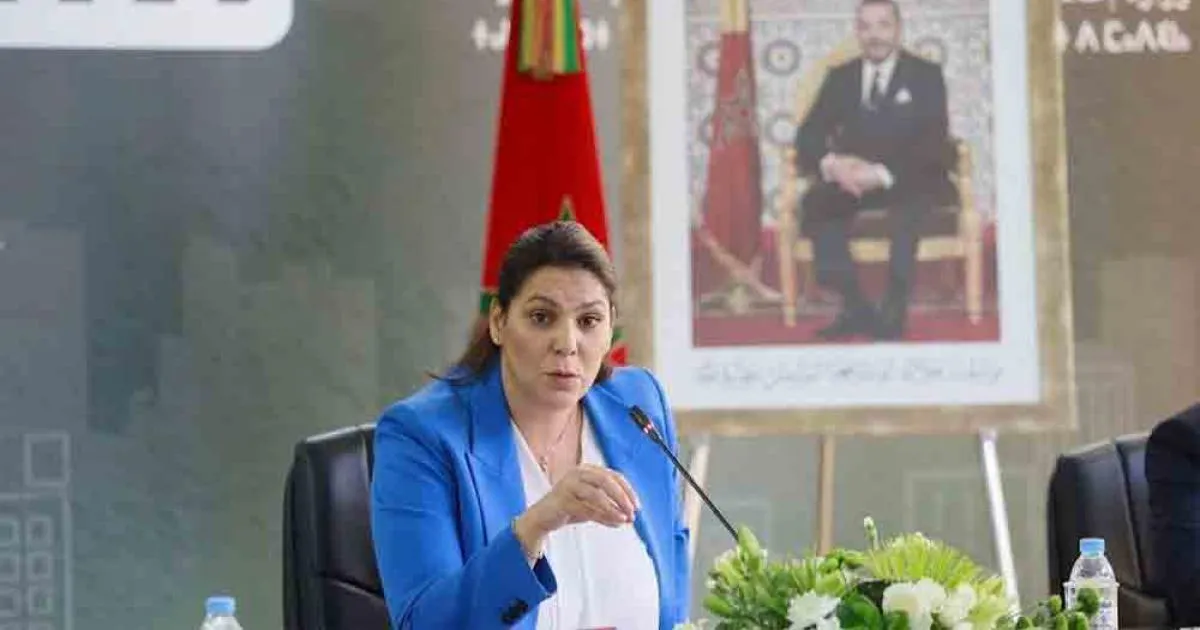
In Morocco, the process of forming the next governing majority is ongoing amidst a backdrop of uncertainty surrounding the coalition framework that will ultimately shape the new government. The Authenticity and Modernity Party (PAM), which secured a leading position in the parliamentary elections with 97 seats, is keen on maintaining open channels of negotiation with all pertinent political parties while avoiding premature decisions on alliances. This approach is particularly critical given the diverse stances among political factions regarding their willingness to either join the cabinet or transition into opposition. To facilitate these discussions, PAM has appointed Prime Minister Fatima Ezzahra El Mansouri as the coordinator of its collective leadership, underscoring the party's strategic intent to engage in flexible negotiations that allow for an exploration of various factional interests before finalizing the coalition's structure.
Strategic Negotiations and Coalition Scenarios
The significance of PAM's strategy is further accentuated by the National Rally of Independents (RNI), which has publicly indicated a preference for opposition, aligning with the stance of the Justice and Development Party (PJD). However, PAM's willingness to keep the door open for potential RNI participation injects a degree of fluidity into the political landscape, providing the election-winning party with a strategic advantage in its negotiations with the Istiqlal Party and other factions interested in joining the cabinet. The possibility of RNI’s involvement could serve as a critical bargaining chip, particularly if other parties begin to assert demands concerning ministerial roles and their influence within the governing majority. This strategic flexibility allows PAM to navigate negotiations without being confined by pre-existing alliances, thus preserving a range of options as discussions progress.
It's essential to note that RNI's participation is not guaranteed; rather, PAM is strategically positioned to avoid giving any party undue certainty regarding the government’s composition. The ability of RNI to shift from an opposition role to potential participation hinges on its political calculations and the nature of the propositions made by the prospective governing majority. Meanwhile, the Istiqlal Party plays a crucial role in shaping the cabinet's composition, given the need for a stable parliamentary majority in the ongoing negotiations. Istiqlal has sought to utilize RNI’s inclination towards opposition to strengthen its own negotiating position. However, PAM's decision to keep options open for RNI prevents any party from concluding that all alternatives are exhausted.
As various scenarios unfold, the primary possibilities include forming a majority that consists of PAM and Istiqlal, along with other parties to ensure a solid parliamentary foundation. Another scenario involves reopening negotiations with RNI should discussions with other partners encounter difficulties, while the expansion of the majority or reconfiguration of its members remains a viable option depending on how the consultations develop. These dynamics suggest that PAM's strategy transcends merely achieving a numerical majority; it also aims to maintain a favorable position in shaping the future cabinet and allocating decision-making authority and ministerial responsibilities. Thus, the ongoing negotiations appear to reflect a calculated tactical approach rather than mere indecision, providing PAM with the maneuverability to explore various alternatives and preventing potential coalition partners from taking the initiative until the broader political landscape is fully established.
These developments occur as the second round of government formation discussions progresses in Rabat, following a series of meetings involving the Prime Minister-designate and leaders from various political parties. Recently, El Mansouri met with Mohamed Ouzzine, the Secretary-General of the Popular Movement (MP), at PAM’s headquarters to continue discussions regarding the composition of the upcoming cabinet. Earlier that same day, she also engaged with Mohamed Joudar, Secretary-General of the Constitutional Union (UC), and Abdessamad Archane, Secretary-General of the Social Democratic Movement (MDS).
As reported by middle-east-online.com.