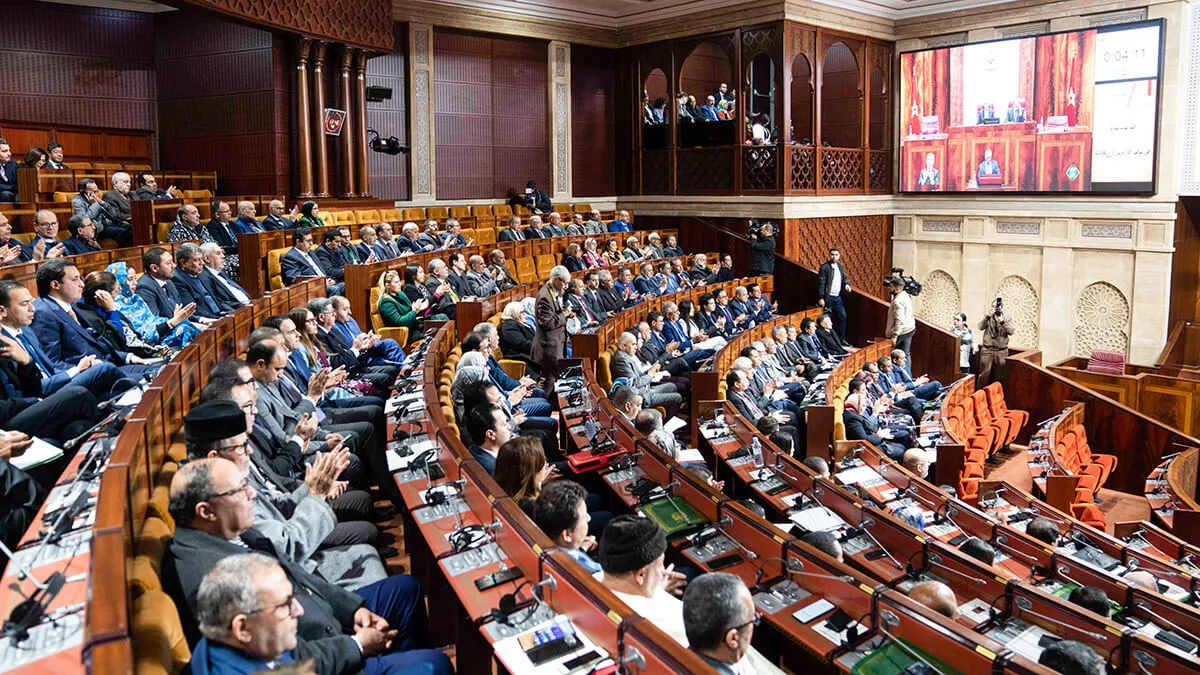

The Kingdom of Morocco is taking significant strides in reshaping its electoral framework to bolster female representation within its Parliament and to enhance women's active participation in political decision-making processes. The newly implemented measures focus on designating regional electoral constituencies specifically for female candidates while ensuring a more equitable gender balance in the foundational charters and executive bodies of political parties. These reforms align with international standards promoted by the United Nations and UN Women, reflecting Morocco's commitment to gender equality in governance.
As the nation gears up for the upcoming 2026 general elections, the reform of electoral governance has emerged as a pivotal component of Rabat's domestic reform initiatives, demonstrating the government's dedication to modernizing its institutions and enhancing democratic practices.
Electoral Reform as a National Institutional Priority
The comprehensive revision of the electoral code is aimed at improving procedural transparency, increasing civic engagement, and ensuring a more balanced representation of genders in the House of Representatives. These legislative changes build on previous achievements and aim to secure a more prominent role for women in elected bodies. Strengthening women’s leadership in high-level governance positions remains a crucial aspect of the reform agenda led by King Mohammed VI. The ultimate goal is to elevate women's involvement in civic matters and to foster a representative governance model, both within state institutions and political parties, in alignment with governance criteria endorsed by the European Union.
A key feature of the new legislation governing the House of Representatives is the reservation of regional electoral constituencies exclusively for female candidates. This means that women will directly occupy 90 out of the 395 seats in the lower house, establishing a foundational representation of 22.8% prior to the results of local constituency elections. Furthermore, the new statute ensures the continuity of seats held by female parliamentarians in cases of by-elections or substitution processes, effectively closing legal loopholes and preventing the reassignment of these seats to male candidates. This legislative move underscores Morocco’s long-term strategy to enhance female representation in decision-making roles.
Aligning the constitutional and electoral frameworks with contemporary civic expectations is essential to Morocco’s broader governance model, which seeks to strike a balance between institutional stability, parliamentary evolution, and increased civic engagement.
Targeted Incentives and Quotas for Young Candidates and Emerging Parties
The structural guarantees provided by the new reforms do not hinder women from independently contesting elections in open local and district-level constituencies. Instead, the regional list system is designed as a preparatory platform, allowing female candidates to gain campaigning experience and build their national profiles before entering more competitive electoral contests. In addition, legal protections are bolstered by public campaign subsidies aimed at funding female-led candidate lists in regional districts, enhancing their ability to compete against established political entities.
These financial supports are contingent upon strict compliance criteria: candidate lists must consist entirely of women under the age of 35 and be associated with registered political parties or accredited independent coalitions. This mechanism is intended to promote generational renewal by engaging young professionals in parliamentary governance. Additionally, the legal framework mandates that new political parties include a minimum of four women in their founding executive bodies, while at least 20% of their statutory founding signatories must be women—resulting in a requirement for 400 women out of a total of 2,000 constituent members.
Political Representation: Current Indicators and Structural Challenges
Despite the constitutional commitment to gender parity established fifteen years ago, the representation of women in elected national offices in Morocco still falls short of the legal targets. Currently, women hold 95 seats in the House of Representatives, which accounts for 24.3% of the total, while their presence in the House of Councillors (the upper chamber) ranges between 11% and 12%. This disparity is mirrored in the governance structures of political parties, where female representation on national executive boards is between 8% and 9%, despite women making up more than half of the national electoral roll. The gap between female electoral turnout and access to decision-making positions within parties remains a significant obstacle to the advancement of women's leadership.
Organizations like the Democratic Association of Moroccan Women (ADFM) emphasize that the guarantees of constitutional parity necessitate stronger administrative enforcement to combat the entrenched party hierarchies that hinder genuine gender equity. The results from the 2021 elections reveal the extent of these structural obstacles: female-led candidacies represented only 29.87% of municipal candidate lists, while women constituted 39.79% of nominees in regional council elections. In parliamentary contests, the success rate for female candidates in open local districts was below 2%, with the majority of female MPs entering the legislature via reserved regional quotas. This heavy reliance on protected lists highlights the ongoing systemic barriers that prevent women from competing on equal ground in standard local elections, underscoring the urgent need for structured electoral reforms.
As reported by atalayar.com.