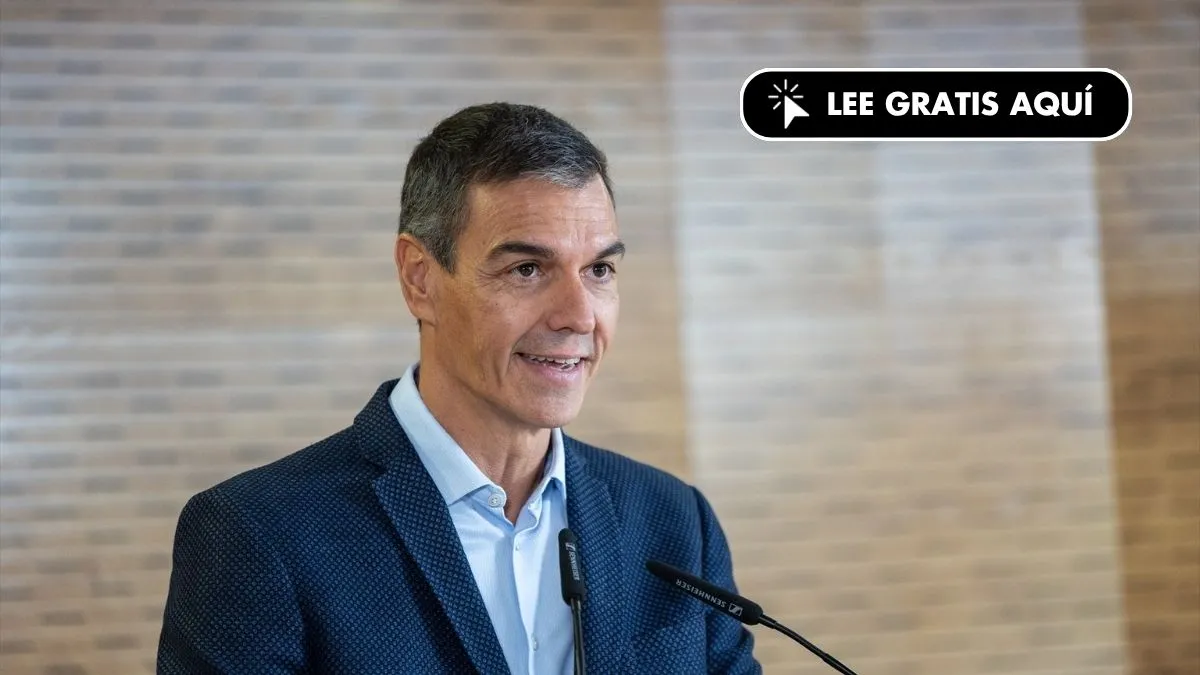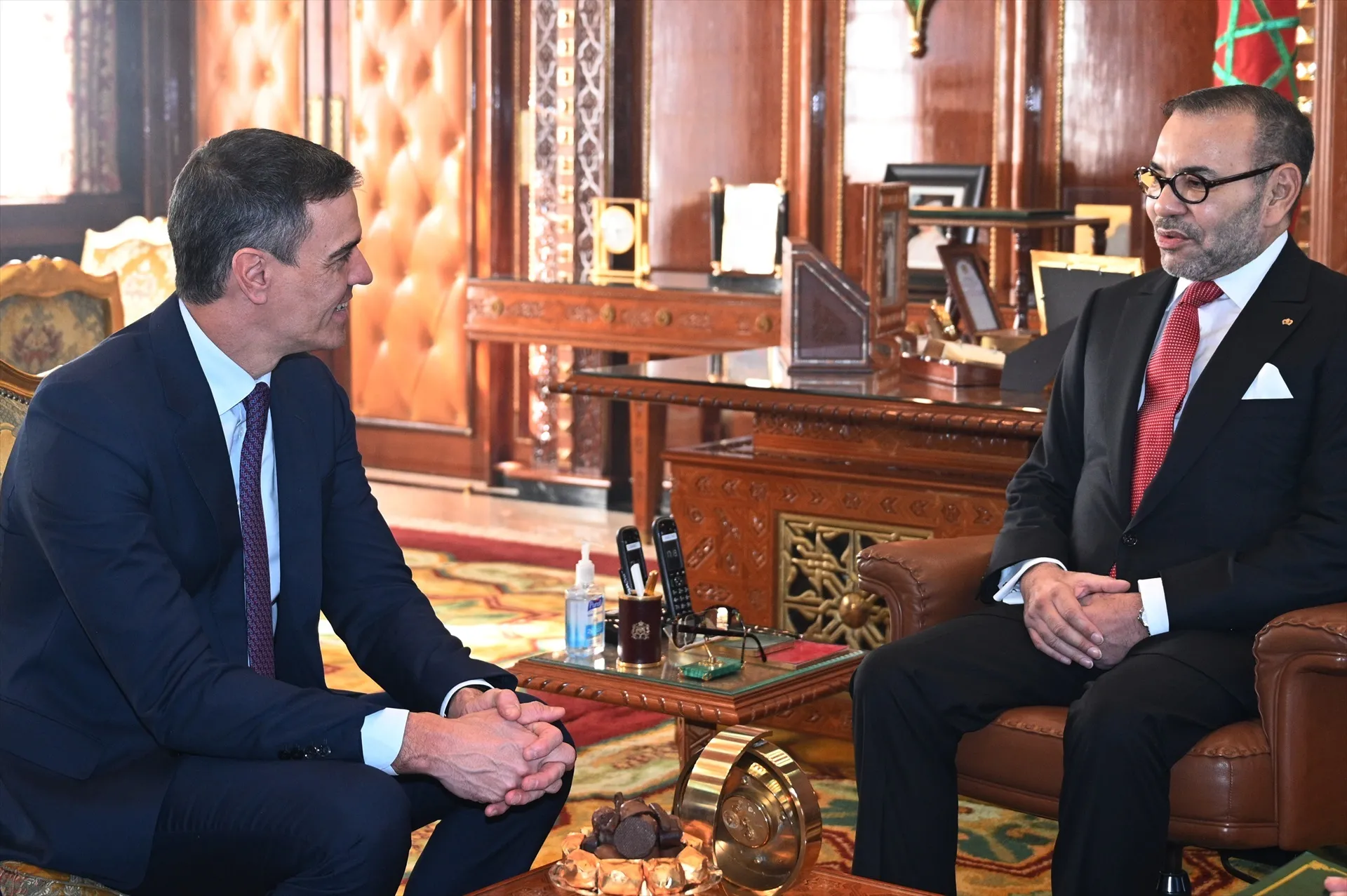

Morocco is not satisfied with the continuous humiliations inflicted upon Spain, as Spanish Prime Minister Pedro Sánchez appears to have yielded to the interests of King Mohammed VI on several occasions. However, Rabat's ambitions extend further, and it has been reminding Sánchez of its desires for quite some time. In March 2022, following the revelation that Morocco had spied on Sánchez's mobile phone, the Spanish president altered the traditional stance of Spain regarding Western Sahara, accepting the integration of this territory into Morocco. Nevertheless, four years have elapsed since that pivotal moment, and Sánchez's decision has lacked the backing of both the Parliament and his own Council of Ministers. Consequently, Morocco is acutely aware that a change in government in Spain could potentially revert the status of Western Sahara to its previous state, and it has been sending signals to the Sánchez administration for months—prior to even the invasion of Ceuta—demanding further advancements in their negotiations. This has culminated in one of the most significant affronts Morocco has posed to Spain in recent memory.
Within the European Union, there is a growing recognition that Spain's foreign policy has sparked issues that have reverberated throughout the entire Union. Observers are increasingly concerned about the chaotic border situation in Spain and Sánchez's apparent weakness, which they understand stems from serious roots: from the espionage of the presidential mobile to Sánchez's subservience to Moroccan demands that have effectively rendered the European border non-existent.
Morocco has been relentless in communicating its demands for more significant strides towards a scenario that would force Sánchez to propose parliamentary support for the transfer of Western Sahara to Rabat, a move that could obliterate the remaining support from the left. This is not the only demand on the table. Several Moroccan ministers have recently made explicit their aspirations for what they term the Great Morocco, a concept that threatens Spain's territories of Ceuta, Melilla, and even the Canary Islands, all while solidifying their control over Western Sahara.
Morocco is keenly aware that Sánchez's time in La Moncloa may be running out, especially amid various corruption cases surrounding his administration. It desires that Spain's position on Western Sahara be officially endorsed through acts of legal significance rather than mere statements. The historic shift in the Spanish government's position regarding Western Sahara materialized in March 2022 when Pedro Sánchez sent a letter to King Mohammed VI, aligning with Rabat's interests. In this correspondence, Spain acknowledged the Moroccan king's proposal for a supposed autonomous region within Morocco as the most 'serious, credible, and realistic' basis for determining the future of Western Sahara.
This radical shift did not occur in isolation; it was preceded by Morocco's espionage activities targeting the phones of Sánchez, Minister of the Interior Fernando Grande-Marlaska, and Minister of Defense Margarita Robles in May 2021. In fact, just after this hacking incident, the first invasion of Ceuta took place (May 2021), with Morocco allowing the entry of 10,000 invaders into Ceuta within hours as a protest against Spain's provision of medical attention to Brahim Ghali, the leader of the Polisario Front.
A year later, not only did Spain concede to Morocco's wishes regarding Western Sahara, but the Moroccan government itself announced the historical shift in policy by publicizing Sánchez's letter, inciting significant controversy within Spain. This decision had not been previously discussed in the Council of Ministers or the Congress of Deputies.
Morocco is now demanding additional steps, and following the leak of these requirements, it has dared to invade Ceuta in the face of Pedro Sánchez's complete inaction, as he did not even conclude his vacation despite the ongoing invasion of a Spanish city.
As reported by libertaddigital.com.