
Morocco's Strategic Military Enhancement with HIMARS
Marrakech – In a significant development for Morocco's defense capabilities, ten High Mobility Artillery Rocket System (HIMARS) launchers have now been officially included in the United States Army's logistics programming for the fiscal year 2027. This information comes from a draft Performance Work Statement (PWS) issued by the Army's Strategic and Operational Rockets and Missiles Project Office, indicating a robust commitment to enhancing Morocco's military readiness.
The draft document outlines the required Care of Supplies in Storage (COSIS) services for both the HIMARS and the Multiple Launch Rocket System (MLRS). It delineates the responsibilities of contractors tasked with staging, inspecting, and maintaining these advanced launchers at the Red River Army Depot (RRAD) in Texas. This provision is crucial not only for US forces but also for Foreign Military Sales clients, ensuring that both domestic and allied military personnel benefit from the highest standards of equipment maintenance and operational readiness.
The release of this draft is part of a broader market research initiative, which includes a Request for Information related to a follow-on contract. The current contract is set to expire on September 5, 2027, covering the fiscal year that spans from October 1, 2026, to September 30, 2027. Within this framework, Morocco’s ten HIMARS launchers will be contracted alongside similar systems for Australia, Italy, Taiwan, and the United Kingdom, reflecting a collective enhancement of allied military capabilities.
Comprehensive Support and Training for HIMARS Integration
Beyond mere storage, the PWS also outlines significant support measures, including scheduling two personnel from Morocco to participate in production unit tests at Lockheed Martin's facility in Camden, Arkansas, with each trip lasting two weeks. These experts are expected to possess extensive experience in inspecting and operating the HIMARS systems, particularly their sophisticated fire control systems, ensuring that Moroccan personnel are well-equipped to handle the advanced technology upon its arrival.
This programming initiative traces its roots back to April 11, 2023, when the US State Department authorized a potential sale of up to 18 M142 HIMARS launchers to Morocco. The Defense Security Cooperation Agency (DSCA) subsequently notified Congress, estimating the deal at approximately MAD 5.24 billion (around $524.2 million). Out of the 18 launchers, ten have already been contracted, marking a significant step in bolstering Morocco's military arsenal.
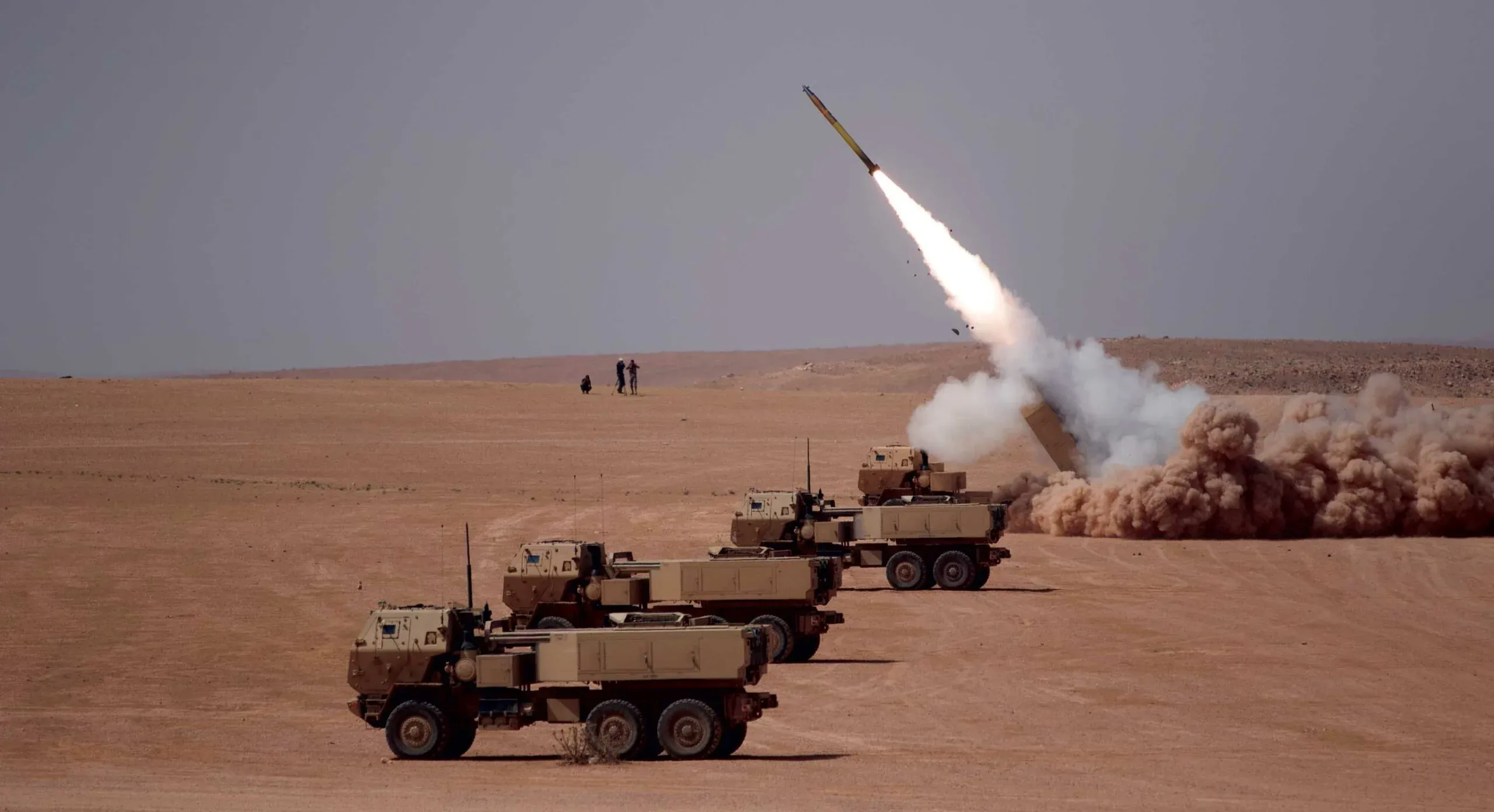
Moreover, the 2023 acquisition request encompassed a range of additional military assets, including 40 M57 Army Tactical Missile Systems (ATACMS), a significant number of Guided Multiple Launch Rocket Systems (GMLRS), as well as tactical data systems, radios, and essential training support. The HIMARS system is designed for operational efficiency, capable of launching guided rockets that can engage targets up to 70 kilometers away, with ATACMS missiles extending the reach to 300 kilometers, thereby enhancing Morocco's strategic military capabilities.
The HIMARS platform is particularly valued for its rapid deployment capabilities, mounted on a 6x6 truck and easily transportable by C-130 aircraft. This system enables “shoot-and-scoot” missions, allowing for quick strikes and immediate repositioning to evade counterattacks from adversaries.
In framing this sale, the DSCA emphasized Morocco's status as a Major Non-NATO Ally, underscoring that the transfer of these advanced systems would not only bolster Morocco's capacity to address current and emerging security threats but also enhance its border control capabilities. Furthermore, it aims to strengthen interoperability with US forces, which regularly collaborate with the Royal Armed Forces (FAR) in counter-terrorism efforts across the Maghreb and Sahel regions. Importantly, the agency noted that this sale is designed to maintain the existing military balance within the region, ensuring stability while enhancing Morocco's defense infrastructure.
As reported by moroccoworldnews.com.