
Fatima El Mansouri: A Landmark Appointment in Moroccan Politics
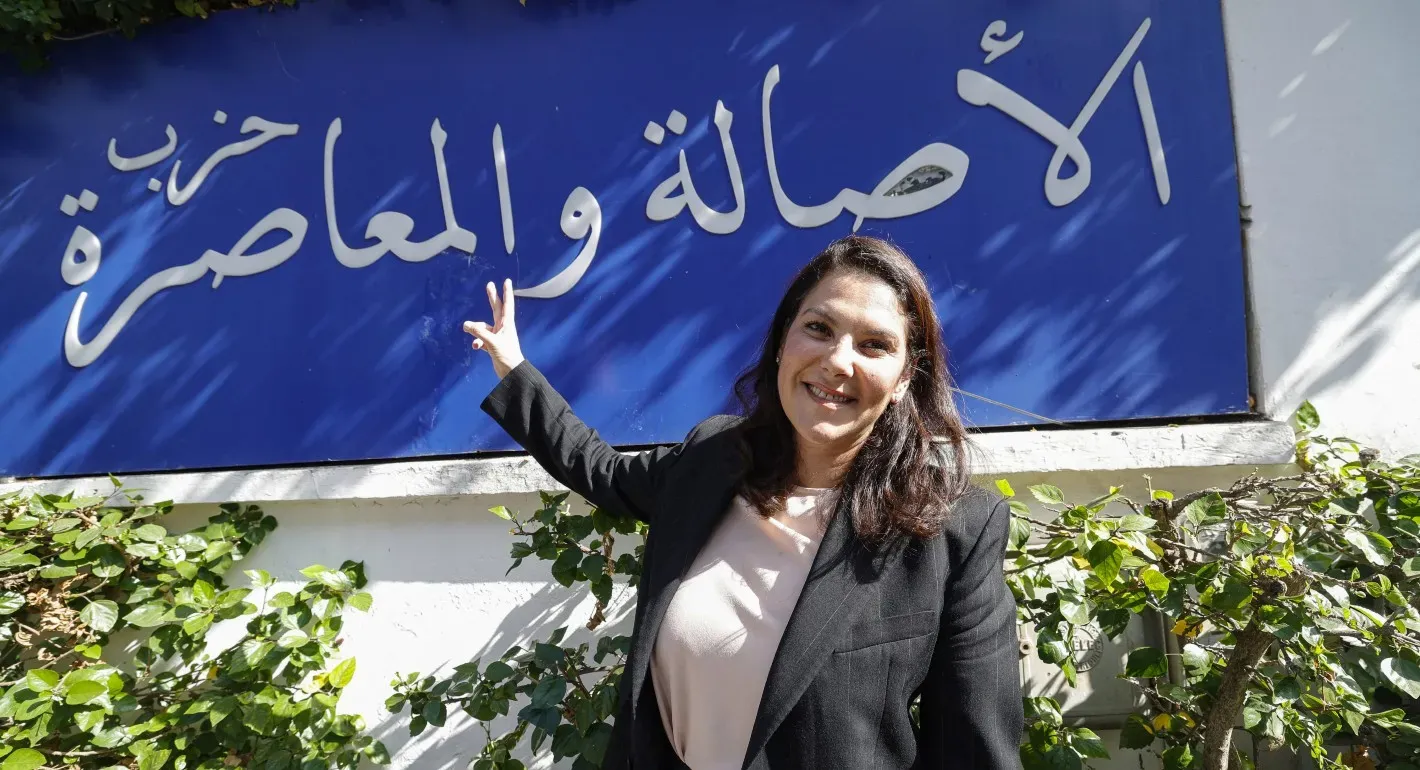
In a significant move for gender representation in politics, Fatima El Mansouri has been appointed as Morocco's first female prime minister. This historic appointment was made by the king following her party's triumph in the recent legislative elections, where they secured 95 out of 395 seats. El Mansouri's rise to power is especially notable as she becomes only the third woman in the Arab world to assume such a high office, following Najla Bouden of Tunisia and Sarra Zaafarani, the current head of the Tunisian government. However, her role as prime minister is largely ceremonial, echoing the experiences of her predecessors, with real political authority still residing with the monarchy.
Morocco operates as a constitutional monarchy, which means that while there is a parliamentary system and an independent judiciary, ultimate control rests with the king. The prime minister's responsibilities are limited, primarily involving the proposal of ministers for the Council of Ministers, which oversees important appointments and legislative decisions. However, the king, who presides over this council, retains the authority to veto these appointments, dismiss ministers, and even dissolve parliament, thereby influencing the prime minister’s ability to govern effectively. Given that El Mansouri's Party of Authenticity and Modernity (PAM) has close ties to the monarchy, it is anticipated that her administration will not deviate from the royal agenda.
The Challenges Ahead for El Mansouri's Administration
El Mansouri's political experience, including her tenure as the mayor of Marrakesh and her role as the minister of national spatial planning, urban development, and housing, positions her to address some pressing socioeconomic issues in Morocco. The country has been grappling with significant challenges, including inadequate healthcare and education systems, alongside rising unemployment and living costs, which have fueled mass protests. Despite her experience, her effectiveness in tackling these issues remains questionable, particularly in light of her previous handling of the aftermath of the 2023 Al Haouz earthquake, where many victims are still without adequate shelter and support.
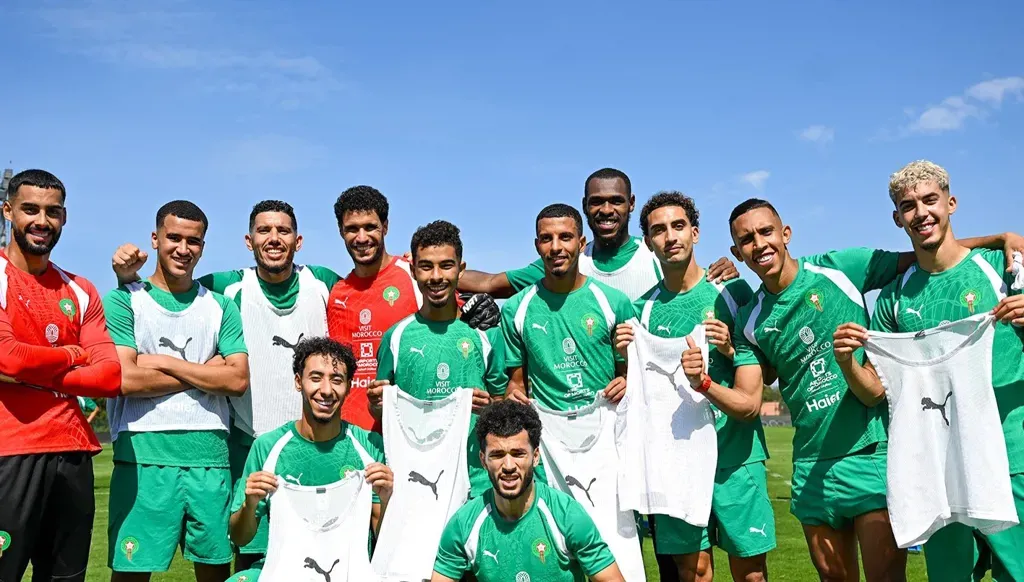
Moreover, El Mansouri’s government will need to navigate the complex landscape of Moroccan-Israeli relations, with the recent establishment of embassies between the two nations likely to be a contentious issue. One of her most pressing tasks will be preparing the nation for the 2030 World Cup, co-hosted with Spain and Portugal. This endeavor comes on the heels of widespread public discontent regarding government spending priorities, particularly after the backlash against perceived mismanagement during the Africa Cup of Nations preparations. The youth of Morocco have expressed dissatisfaction, prioritizing healthcare and education over lavish stadium constructions.
Additionally, El Mansouri faces the challenge of competing against the growing influence of the Islamist Justice and Development Party (PJD), which has seen a resurgence in its parliamentary presence. As she heads into coalition negotiations, the dynamics between her party and the PJD will be crucial in shaping her government’s policies and effectiveness.
El Mansouri’s appointment is framed as a progressive step for women in Moroccan society, yet skepticism remains. The socio-economic elite background from which she hails, coupled with allegations of corruption within her party, may undermine her image as a representative of ordinary Moroccans. With voter turnout for the elections at a mere 38%, largely due to youth disengagement, her government is poised to confront a populace that harbors significant mistrust towards its leadership.
As reported by carnegieendowment.org.