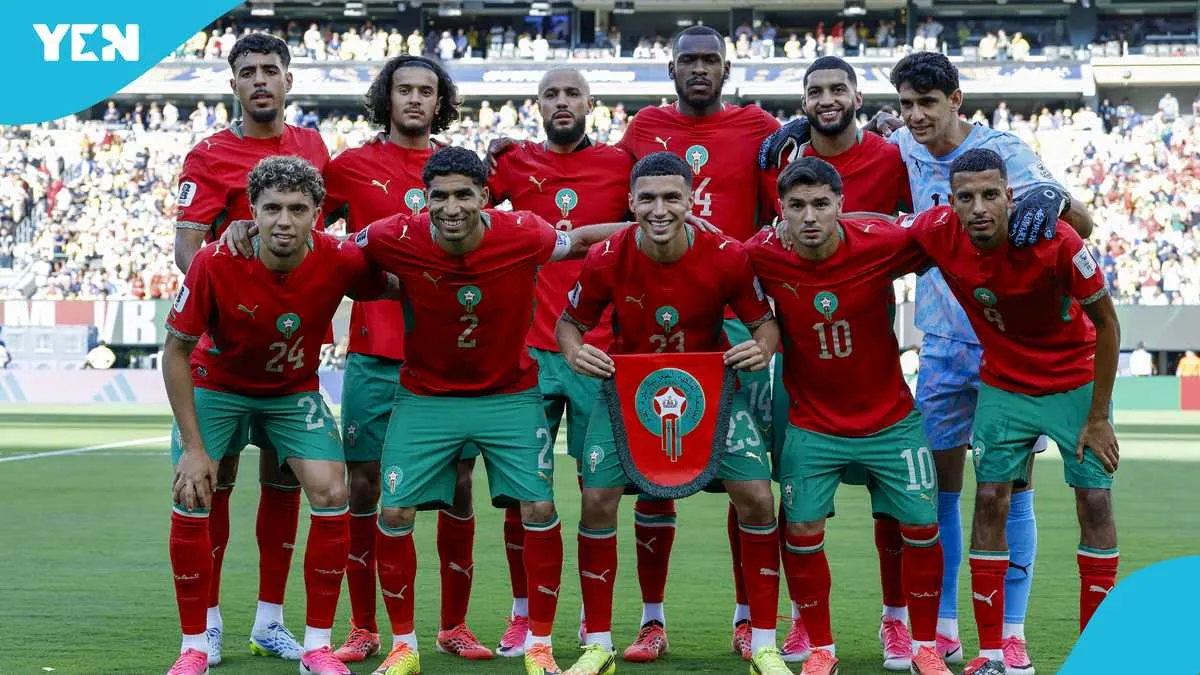
Morocco's Remarkable Performance Against Brazil
In a highly anticipated clash, Morocco's 1-1 draw with Brazil proved to be the most challenging encounter for both teams in Group C, fulfilling expectations with its intensity and drama. The Atlas Lions struck first in the 21st minute when Ismael Saibari found the net, aided by a clever pass from Brahim Díaz that cleverly dissected Brazil's defense. However, Brazil responded swiftly, with Vinícius Júnior equalizing just over ten minutes later, showcasing the high stakes and competitive spirit of the match. Throughout the game, Morocco exhibited impressive organization, speed, and composure, compelling Brazil to exert maximum effort in every facet of the play. This performance not only illustrated Morocco's capability to hold their ground against one of the tournament favorites but also emphasized their readiness to compete at the highest level on the world stage.
A Historic Milestone in World Cup History
Beyond the thrilling gameplay, the draw carried a significant historical milestone for Morocco. In a remarkable moment during the second half, the Atlas Lions achieved a feat that no other nation has accomplished since the inaugural World Cup in 1930. The pivotal moment occurred in the 65th minute when Azzedine Ounahi and Brahim Díaz were substituted out for Samir El Mourabet and Chemsdine Talbi. This substitution meant that Morocco had an entire starting eleven on the field comprised solely of players born outside of Morocco. This achievement makes Morocco the first team in almost a century of World Cup history to field a squad entirely composed of players not born in the country they represent, according to Centre Goals. Nevertheless, it is essential to recognize that a player's birthplace does not define their identity. Factors such as family, culture, and shared experiences contribute significantly to one's sense of belonging. This milestone also reflects the Moroccan Football Association's long-term strategy to cultivate strong connections with diaspora players, particularly those from France, Belgium, Spain, and the Netherlands. Ultimately, the draw against Brazil serves as more than just a commendable result; it acts as a powerful statement regarding the evolving nature of national teams, emphasizing heritage, structure, and a broader understanding of what it means to call a place home.
As reported by yen.com.gh.