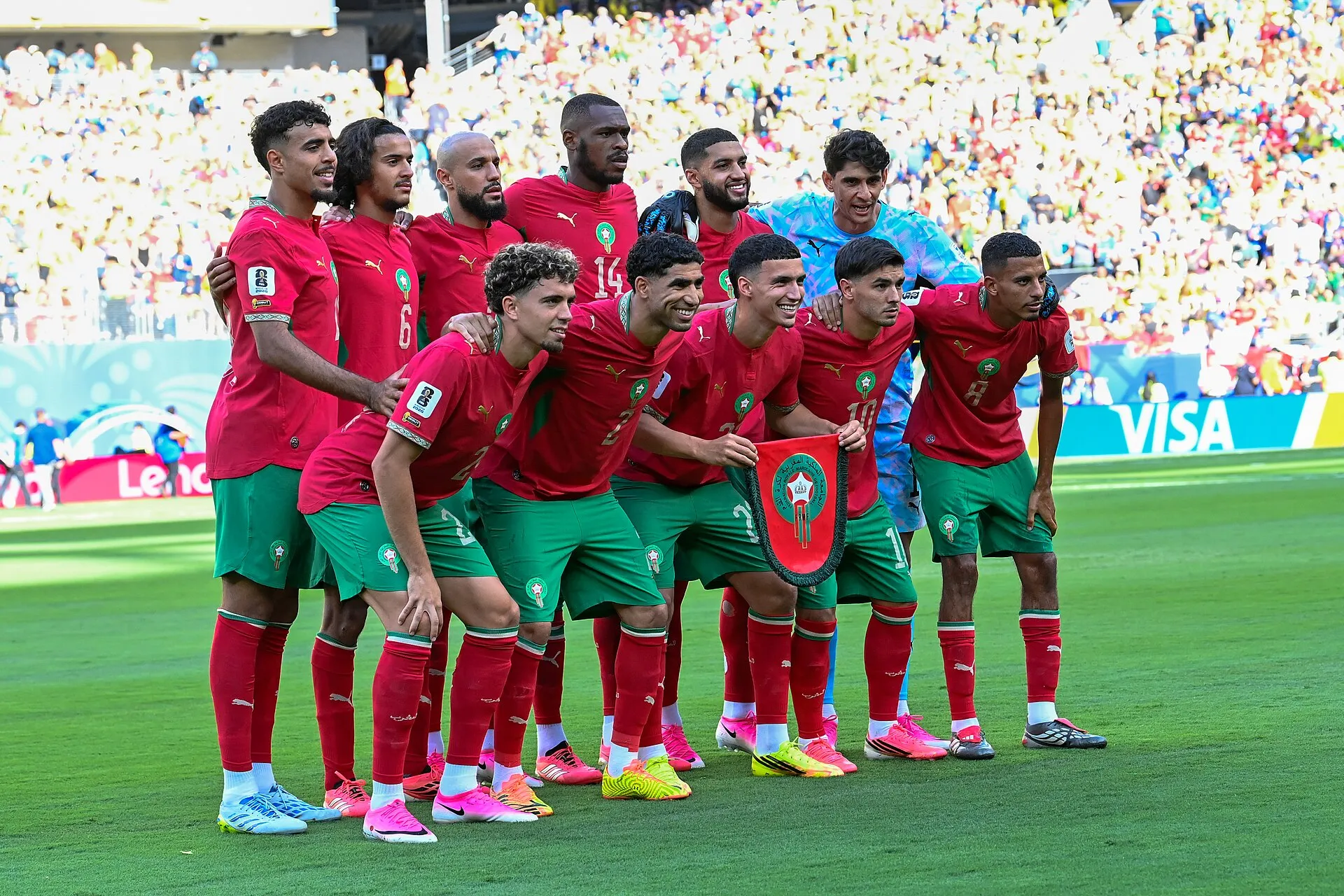

After being eliminated by France with a score of 2-0 in the quarter-finals, Morocco exits the 2026 World Cup with a sense of honor and accomplishment. Their journey included six matches, ten goals scored, a new head coach, and a markedly transformed playing style. This article reflects on the remarkable path that solidified the position of the Atlas Lions on the global stage while highlighting the challenges that lie ahead as they look to 2030.
Four years following their semi-final appearance in 2022, the Atlas Lions were once again under scrutiny, with the pressing question being whether they could build upon their surprising performance in Qatar. The answer came swiftly, as Morocco reached the quarter-finals for the second consecutive World Cup, a first for any African team. However, this time they showcased a distinctly evolved team, playing higher up on the pitch, prioritizing possession, and exhibiting greater ambition in their offensive tactics. Morocco has proven its capability to secure victories through varied strategies.
A Unique Journey Through Six Matches
Morocco participated in six matches, one more than in the previous World Cup format due to the tournament's expansion to 48 teams, which includes an additional knockout round. Their advancement to the quarter-finals in 2026 required them to navigate through two knockout stages rather than one, thereby presenting a more challenging journey compared to 2022. Placed in Group C alongside Brazil, Scotland, and Haiti, Morocco began their campaign with a draw against Brazil (1-1), followed by a narrow victory over Scotland (1-0) and a win against Haiti (4-2). Finishing second in their group, they proceeded to eliminate the Netherlands in a dramatic penalty shootout in the round of 16, and subsequently defeated Canada (3-0) before succumbing to France. Their overall record comprised three victories, two draws, and one defeat, with a total of ten goals scored and six conceded.
One of the most significant changes in this tournament was the appointment of Mohamed Ouahbi as head coach, succeeding Walid Regragui after the Africa Cup of Nations. Ouahbi, a 49-year-old native of Belgium, has a rich background in player development, notably at Anderlecht, and had previously led the Moroccan U20 team to a World Cup title in 2025. Although his early tenure with the senior team was undefeated, the true transformation lay in Morocco's style of play. Under Ouahbi's leadership, the team adopted a higher pressing approach, sought to dominate possession, and aimed to impose their gameplay, moving away from the defensive solidity that characterized their 2022 campaign.
Key Matches and Tactical Evolution
Several matches exemplified Morocco's tactical evolution. The opening match against Brazil set the tone, where Morocco took the initiative, pressing high and scoring first through Ismaël Saibari, demonstrating their ability to compete on equal footing against a five-star nation. In the round of 16 against the Netherlands, Morocco trailed until the dying moments when Issa Diop equalized, leading to a penalty shootout that showcased their mental resilience and tactical discipline. The match against Canada further highlighted their adaptability, where adjustments at halftime allowed them to dominate the second half, with Azzedine Ounahi scoring twice. However, the quarter-final against France exposed the limitations of their offensive strategy. Deprived of Saibari due to injury, Ouahbi opted for a more cautious formation, which ultimately stifled their attacking capabilities against a superior French side.
Throughout the tournament, key players emerged as pivotal figures. Ismaël Saibari, the team's leading scorer with three goals, made a significant impact until his injury. Azzedine Ounahi’s tactical repositioning proved crucial, and Yassine Bounou continued to embody the team's defensive strength with decisive saves. Achraf Hakimi, as captain, played a vital role in linking the squad's past with its future, while Issa Diop's late equalizer against the Netherlands proved to be a turning point in their campaign. Despite the disappointment in the quarter-finals, the overall performance of the Atlas Lions reflects a solid foundation and a promising future for Moroccan football.
Looking ahead, Morocco is poised to co-host the 2030 World Cup with Spain and Portugal, presenting an opportunity to build on their experiences from 2026. While challenges remain, including the need to strengthen certain positions and develop a more proactive style of play, their journey in the 2026 tournament has laid the groundwork for future aspirations. With the right adjustments and continued growth, Morocco aims to elevate their status beyond that of mere survival in the world of football.
As reported by latribunedemarrakech.com.