
Fatima Ezzahra El Mansouri: A Landmark Appointment
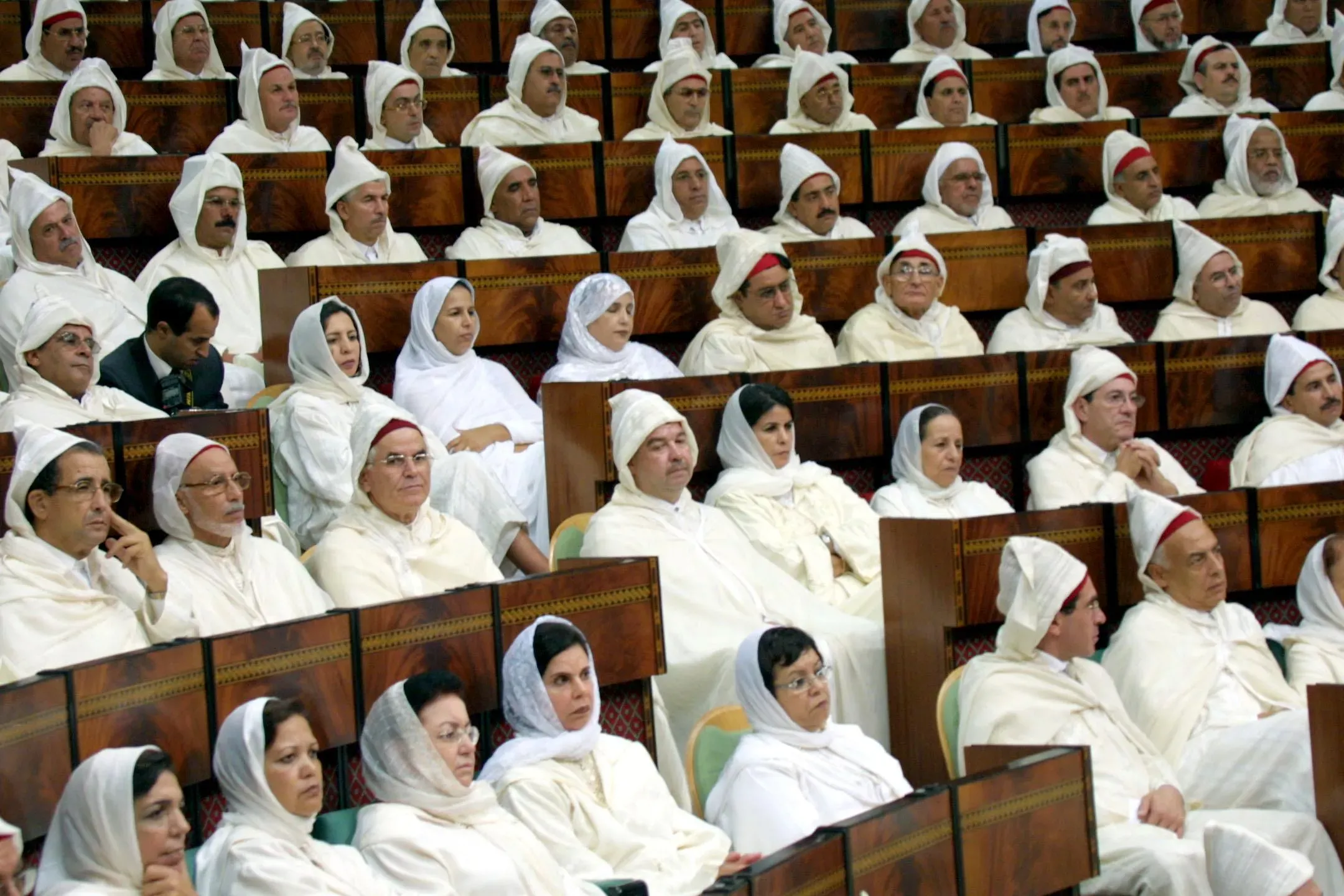
On September 29, Morocco witnessed a significant milestone in its political landscape with the appointment of Fatima Ezzahra El Mansouri as the first-ever female head of government. Her ascension not only marks a historic achievement for Morocco but also positions her as the third woman to hold such a prominent post in the Arab world. This groundbreaking change follows parliamentary elections and signals a potential shift in the dynamics of gender representation within Moroccan politics.
Shifting Attitudes Towards Gender Roles
In light of this historic appointment, a recent survey by the Arab Barometer reveals evolving Moroccan attitudes towards gender roles, highlighting a gradual move away from traditional views. Despite this progress, the survey indicates a paradoxical decline in support for policies aimed at enhancing women's political representation. Conducted nationally, the survey involved 1,210 participants from all twelve regions of Morocco, utilizing a multistage clustered sample with a margin of error of ±3 percentage points. Findings indicate that traditional perspectives on male leadership are weakening; for instance, 47% of respondents maintained that men are superior political leaders compared to women, a notable decrease of 10 percentage points from the previous survey period. Furthermore, the belief that men should have the final authority in family decisions also saw a significant drop, from 61% to 44%. This reflects a 17-point decline, suggesting a growing recognition of gender equality within familial structures.
However, support for gender quotas appears to be waning. The endorsement for reserving a minimum number of parliamentary seats for women fell from 71% to 51%, whilst backing for assigning a minimum number of cabinet positions for women decreased from 70% to 52%. These two declines represent the most considerable shifts in the survey, contradicting the overall trend toward liberalization regarding gender roles. Interestingly, support for equal opportunities in the workplace remained stable at 64%, indicating a persistent commitment to gender equality in professional environments.
When asked about obstacles to women's employment, respondents identified a variety of challenges without consensus on a single predominant issue. Social unacceptability and a lack of childcare were cited by 13% of those surveyed, while 12% pointed to inflexible working hours and biases in hiring practices. Other factors included a lack of relevant skills or job scarcity, drawing 10% each, while 9% mentioned low wages and inadequate legal protections. Notably, women were more inclined than men to identify childcare and job scarcity as barriers, whereas men frequently highlighted inflexible hours and social unacceptability.
Mixed perceptions regarding violence against women were also reported, with 16% of respondents indicating an increase in such violence over the last year, up from 13% the previous period. Meanwhile, 42% perceived the situation as unchanged, and 31% believed it had improved. Support structures for women facing abuse were identified, with 48% of respondents identifying a male family member as a potential source of support, and 38% citing a female relative. Local police were recognized by 35% as an avenue for assistance, while clinics and hospitals were mentioned by only 14%, and local organizations by a mere 6%. Alarmingly, 5% of respondents felt that women would be unable to find any help at all.
Despite a broad acknowledgment of harassment, reported instances have declined somewhat. A total of 71% of respondents described harassment by strangers in public spaces as prevalent, down 8 points from the previous survey, while 58% noted the same for workplace harassment, a drop of 7 points. Additionally, 36% viewed domestic harassment as widespread. Collectively, these findings illustrate a society that is gradually distancing itself from traditional notions of male authority while simultaneously expressing hesitance about state-driven initiatives for women's political integration. This juxtaposition of evolving beliefs arrives at a pivotal moment in Moroccan history, characterized by the unprecedented leadership of a woman at the helm of government.
As reported by moroccoworldnews.com.