
The Significance of Fatima Ezzahra El Mansouri's Appointment
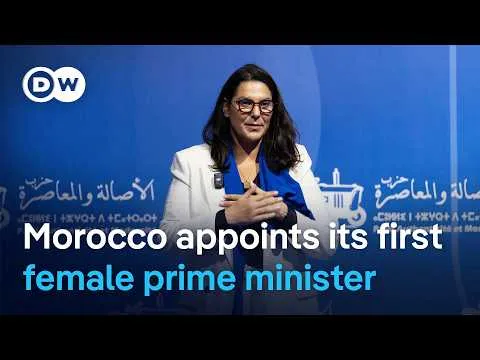
Morocco has recently made history with the appointment of Fatima Ezzahra El Mansouri as the country's first female prime minister. This landmark decision not only marks a pivotal moment in Moroccan politics but also resonates throughout the Arab world, where female leadership in such high-ranking positions remains a rarity. El Mansouri’s ascension to the prime ministership follows a significant electoral victory for her party, the Authenticity and Modernity Party (PAM), indicating a shift in the political landscape of Morocco. Her leadership is anticipated to inspire a new wave of political engagement and potentially lead to transformative changes within the government. However, the critical question remains: will her tenure usher in substantial political reform, or will it serve merely as a symbolic gesture in a historically patriarchal society?
Challenges and Opportunities Ahead
As Morocco's first female head of government, El Mansouri faces a daunting array of challenges. The expectations placed upon her are immense, as she not only embodies the potential for progress in gender equality but also carries the weight of her predecessors' legacies. Her appointment has brought forth discussions regarding the effectiveness of her policies and the real extent of her power as a leader. Many observers are keenly watching whether she can harness her position to promote women's rights and broader political reforms or if she will encounter resistance from entrenched political structures. This moment signifies much more than just a change in leadership; it reflects the evolving dynamics of political representation in the Arab world. The implications of her leadership could extend beyond Morocco, serving as a beacon for other nations in the region grappling with gender inequality in governance.
As reported by youtube.com.