
Unveiling Morocco's Ancient Surgical Heritage
In a remarkable revelation, Abdeljalil Bouzokar, the director of the National Institute of Archaeology and Heritage, has announced that archaeological discoveries in Morocco have confirmed the occurrence of the oldest surgical operation in human history. Excavations conducted in 2024 at the "Cave of Hammam" in Tafoughalt led to the identification of the plant materials used in this ancient medical procedure. This groundbreaking finding has sparked a renewed interest among Moroccan students and researchers in the field of archaeology, particularly concerning pre-Islamic eras.
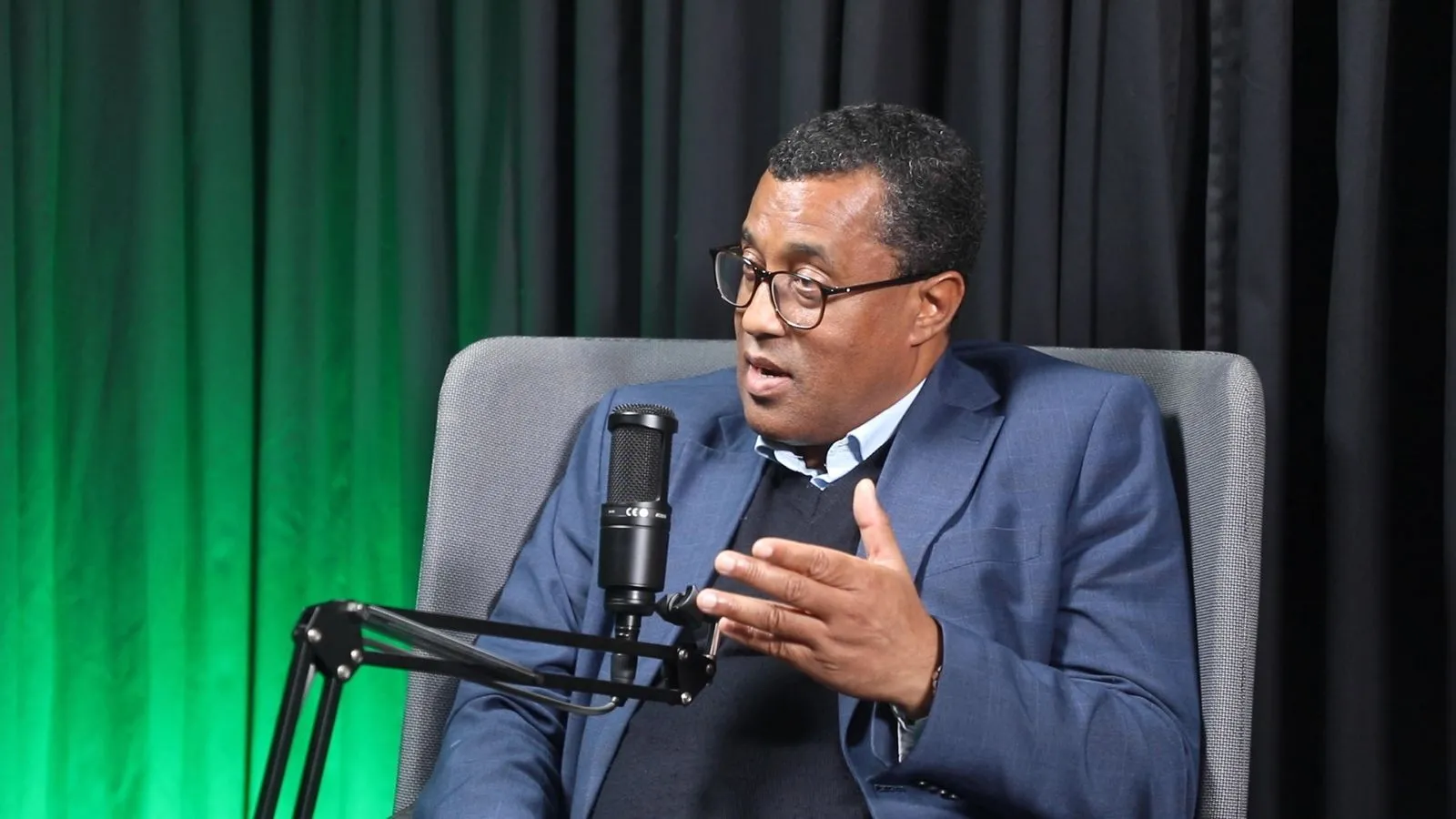
During an appearance on the program "Tannweer 21," broadcast on the platforms of the news outlet Madar 21, Bouzokar emphasized the significance of these archaeological findings. They illustrate that ancient humans in Morocco were pioneers in various significant achievements, including performing surgeries and creating the oldest known jewelry, which dates back 150,000 years and was discovered in the "Bizmoune" cave near Essaouira. Additionally, the oldest tools for producing clothing from animal hides, estimated to be 120,000 years old, have also been unearthed in Morocco. Bouzokar highlighted the remarkable adaptability of ancient Moroccans, who were skilled in maritime activities, agriculture, and developed advanced techniques for their time. He expressed a keen desire to deepen research into the pre-Islamic era to better understand the interactions between local populations and civilizations such as the Romans and Phoenicians.
Future Directions in Archaeological Research
Bouzokar further asserted that one of the hypotheses warranting deeper archaeological investigation is the possibility that Morocco served as a launching point for ancient human migrations to other regions of the world. He believes that focusing on this aspect could reshape our understanding of Morocco's role in the broader context of human history. Current archaeological research in Morocco centers around the historically significant sites of Chellah and Sijilmassa, both of which are being explored by teams comprised entirely of Moroccan youth, whose average age is approximately 23 years. These teams are utilizing state-of-the-art technologies, including drones, to enhance their archaeological endeavors, reflecting a growing interest in archaeology and heritage sciences among the younger generation.
In this context, Bouzokar noted that Morocco is committed to enhancing its scientific and technical sovereignty in the field of archaeology and heritage. He cited the institute's efforts to provide advanced techniques for analyzing the dietary habits of ancient humans through stable isotopes found in teeth and bones. He underscored the significant support from the government, particularly the Ministry of Youth, Culture, and Communication, which allocates substantial budgets for equipping laboratories for dating archaeological samples. Previously, researchers had to send samples abroad for analysis, incurring costs of at least 6,000 dirhams per sample, which complicated the progress of archaeological research.
As reported by madar21.com.