Transformative Changes in Moroccan Immigration
Over the past decade, the landscape of immigration in Morocco has undergone significant changes, primarily driven by an influx from sub-Saharan Africa. A recent study conducted by the High Commission for Planning, based on the general population census from 2024, reveals new insights into the demographics of foreign residents in Morocco. This census specifically accounts for foreigners who have legally resided in the country for at least six months, marking the first comprehensive analysis of its kind. The findings indicate a notable rise in the number of Senegalese and Ivorians, who now represent the largest communities of immigrants in Morocco, demonstrating a shift in the origins of new residents compared to previous years.
Understanding the Trends and Implications
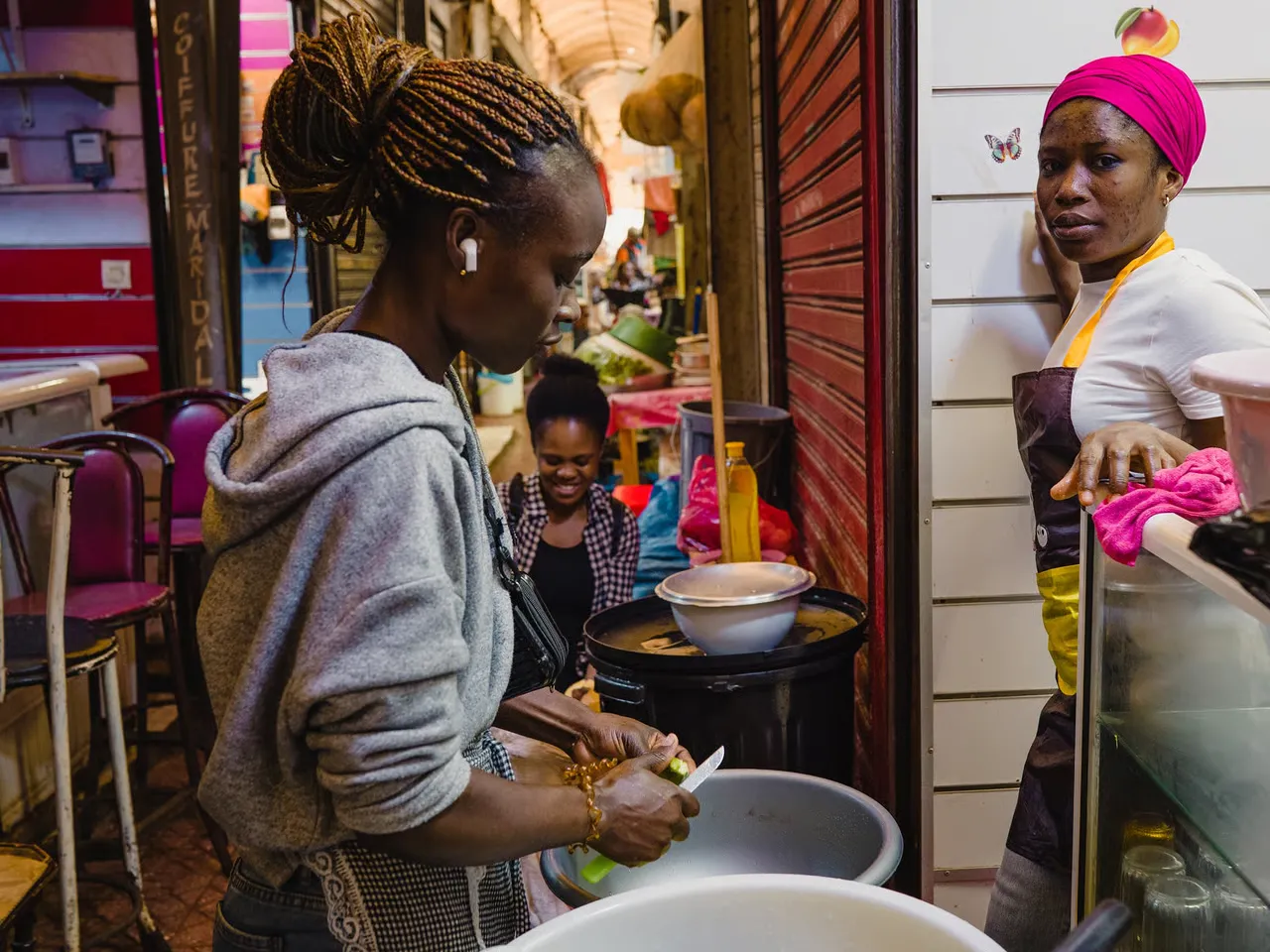
The data collected not only sheds light on the increasing presence of these communities but also highlights broader trends in migration patterns across the region. The influx of Senegalese and Ivorians into Morocco can be attributed to various factors, including economic opportunities, educational pursuits, and the desire for a stable living environment. As these communities establish themselves, they contribute to the socio-economic fabric of Moroccan society, enhancing cultural diversity and fostering new economic activities. The presence of vibrant markets, such as the Namoudaji market in Casablanca, commonly referred to as the Senegalese market, exemplifies how these immigrant communities maintain their cultural identity while integrating into Moroccan life. This evolution in the immigration narrative not only enriches Morocco's cultural landscape but also presents both challenges and opportunities for policymakers aiming to manage this demographic shift effectively.
As reported by jeuneafrique.com.